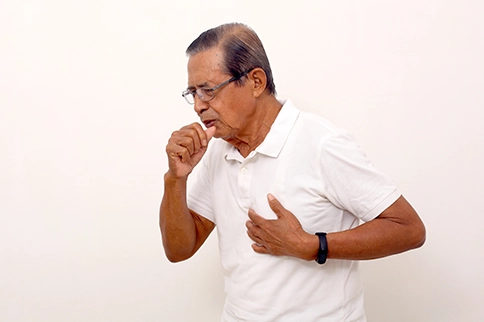
As the body ages, natural changes in lung function and immune response make older adults more vulnerable to respiratory illnesses, including chronic bronchitis. In elderly individuals, this condition often develops gradually and can significantly affect breathing comfort, sleep quality, and daily activity levels. Chronic respiratory diseases, including COPD (which encompasses chronic bronchitis), are a major global health concern. According to the World Health Organisation (WHO), COPD affected over 390 million people globally in 2019 and is one of the leading causes of death worldwide.
In India, community-based studies such as INSEARCH (Indian Study on Epidemiology of Asthma, Respiratory Symptoms and Chronic Bronchitis) have reported COPD prevalence ranging from approximately 2–4% in adults over 35 years, with significantly higher rates seen in older age groups and among individuals exposed to smoking or air pollution. For seniors, this translates into persistent cough, breathlessness, disturbed sleep, and reduced physical endurance. Understanding chronic bronchitis in elderly patients requires a comprehensive view of age-related lung changes, environmental exposures, and long-term irritant damage, which together influence disease progression.
What Causes Chronic Bronchitis in Elderly Individuals?
The Causes of Bronchitis in older adults are rarely singular — they are typically a combination of long-term exposures, biological changes, and lifestyle patterns.
- Age-related lung decline is foundational. Over decades, lung tissue loses elasticity, air sacs lose their shape, and airways become less efficient at clearing mucus.
- Smoking history is one of the strongest risk factors; years of cigarette exposure inflame and narrow airways, and elevated risk persists long after quitting.
- Air pollution, both outdoor and indoor, is particularly significant in Indian settings. Prolonged exposure to vehicular exhaust, industrial fumes, and cooking smoke thickens the bronchial lining over time.
- Repeated respiratory infections add cumulative damage; each episode of bronchitis or pneumonia that was not fully resolved leaves scar tissue and reduces lung capacity, making future infections more likely and more severe.
How Does Ageing Weaken Lung Defence?
The immune system slows with age, a process called immunosenescence. In elderly patients with chronic bronchitis, this means the body is slower to fight infections and more likely to allow acute bronchitis to become chronic.
Chronic low-grade inflammation, "inflammageing", keeps airways in a state of constant irritation, producing excess mucus and narrowing bronchial passages. This creates the hallmark productive cough that persists for months.
The Symptoms of Bronchitis in older adults tend to be more pronounced: chest tightness, wheezing, fatigue, and breathlessness during minor exertion are common. These can mimic other conditions, making an accurate diagnosis essential.
Lifestyle and Environmental Triggers
Daily habits and living conditions considerably shape the course of chronic bronchitis in elderly individuals.
- Sedentary behaviour weakens respiratory muscles and reduces lung capacity. Largely immobile seniors have fewer opportunities to clear mucus naturally.
- Poor nutrition — particularly deficiencies in vitamins C, D, and zinc- impairs the body's ability to resist raespiratory pathogens and repair damaged tissue.
- Indoor air quality is often overlooked. Cooking in poorly ventilated spaces, using biomass fuels, or living near high-traffic areas increases exposure to particulate matter, a direct irritant to bronchial tissue.
A study by the National Centre for Biotechnology Information (NCBI) found that homeopathy reduced the frequency of infections and steroid use in COPD patients — relevant evidence for managing elderly bronchitis alongside lifestyle changes.
Dr Batra's® Pro Tip
If a cough in an elderly person lasts beyond 10 days, worsens at night, or produces coloured mucus, seek evaluation promptly. Identifying and removing environmental triggers, indoor smoke, dust, and pollutants, is as important as any treatment.
Tips to Prevent Chronic Bronchitis in Older Adults
Prevention of chronic bronchitis in older adults works best when multiple strategies are combined:
- Avoid smoke and pollutants — Quitting smoking and reducing exposure to secondhand smoke and industrial fumes directly lowers airway inflammation.
- Improve home ventilation — Open windows and use exhaust fans; avoid biomass fuels in enclosed spaces.
- Stay hydrated — Adequate water intake keeps bronchial secretions thinner and easier to clear.
- Eat for lung health — Antioxidant-rich foods, turmeric, leafy greens, and vitamin C support immune function.
- Stay active — Gentle walks, yoga, and breathing exercises help maintain lung capacity. Understanding how Exercise and Bronchitis interact can guide a safe routine.
- Schedule regular checkups — Spirometry tracks lung function over time, enabling early intervention.
Homeopathy for Bronchitis — A Natural Approach
A structured, personalised approach helps ensure that treatment is not only symptom-focused but also aligned with the overall health needs and limitations commonly seen in elderly patients.
- Root-focused care: Treatment is designed to address underlying airway inflammation rather than just temporary relief of cough or breathlessness. This supports more stable respiratory function over time.
- Improved lung support: The approach aims to gradually enhance breathing capacity and reduce airway sensitivity. This can help seniors manage daily activities more easily.
- Immune system strengthening: Care also focuses on improving natural resistance to recurrent respiratory infections. A stronger immune response helps reduce flare-ups.
- Safe for long-term use: Homeopathic medicines are prescribed under supervision and are non-habit-forming.
This makes them suitable for elderly patients who often need ongoing care. - Objective monitoring at Dr Batra’s®: Tools like spirometry help track lung function changes and guide treatment adjustments. This ensures care is data-informed and personalised over time.
Disclaimer: Self-medication is discouraged. Homeopathic medicines should be taken only under the supervision of a qualified medical practitioner. Results vary based on individual responses and the severity of the condition.
Bronchitis Treatment: Homeopathy vs Conventional
| Treatment Feature | Homeopathy at Dr Batra’s® | Conventional (Allopathy) |
| Treatment approach | Focuses on individual symptoms, triggers, and underlying susceptibility | Focuses primarily on symptom control and clinical diagnosis |
| Long-term use | Generally safe under medical supervision for extended use | May involve long-term medications depending on severity and condition |
| Recurrence management | Aims to reduce the frequency of bronchitis flare-ups by improving overall resilience | Recurrence managed through preventive medication and trigger avoidance |
| Respiratory support | Works on improving overall respiratory balance and functional strength | Supports lung function through bronchodilators, steroids, or other medications |
| Personalisation | Highly individualised based on patient history, constitution, and lifestyle | Standardised treatment protocols based on diagnosis |
How Dr Batra's® Can Help in treating chronic bronchitis?
At Dr Batra’s®, chronic bronchitis care follows a structured, personalised approach focused on reducing long-term airway inflammation, improving breathing capacity, and lowering the frequency of recurrent respiratory flare-ups. Each plan is tailored to the individual’s triggers, age, exposure history, and overall health profile, with regular monitoring to support steady, long-term respiratory improvement.
1. Detailed Clinical Assessment
Comprehensive evaluation of symptom duration, cough pattern, mucus production, breathing difficulty, smoking history, occupational exposure, family history, and lifestyle factors. This helps understand the extent and progression of chronic bronchial inflammation.
2. Trigger Identification
Careful mapping of long-term irritants such as air pollution, smoking (active or passive), workplace dust, chemical exposure, recurrent infections, and weather sensitivity. Identifying triggers helps reduce ongoing airway damage and prevent worsening.
3. Personalised Homeopathic Treatment
Individually selected remedies aimed at reducing chronic airway inflammation, easing mucus accumulation, and improving respiratory comfort. The aim is to support gradual, long-term improvement in lung function and symptom control.
4. Ongoing Monitoring
Regular follow-ups to assess symptom changes, track breathing capacity, and refine treatment based on response. This ensures consistent care and helps maintain respiratory stability over time
Conclusion
- Chronic bronchitis in elderly individuals requires timely attention: While the condition can be serious, early and consistent care can help improve quality of life. Prompt management helps slow progression and reduce complications.
- Age-related lung changes increase vulnerability: Natural decline in lung elasticity and respiratory strength makes seniors more prone to breathlessness and cough.
This reduces the body’s ability to clear airway irritants effectively. - Long-term environmental exposure adds to risk: Years of pollution, smoke, or occupational exposure can gradually damage bronchial health.
These cumulative effects often contribute to chronic inflammation. - Weakened immunity plays a key role: Reduced immune response in older adults increases susceptibility to infections and flare-ups.
This can lead to more frequent and prolonged respiratory episodes. - Homeopathy offers a personalised approach: Treatment is tailored to individual health profiles, focusing on reducing flare-ups and improving overall respiratory balance.

Frequently Asked Questions
- What Is Chronic Bronchitis in Elderly Individuals
- How Chronic Bronchitis Affects Older Adults
- Causes of Chronic Bronchitis in Elderly Patients
- Ageing and Its Impact on Lung Function
- Lifestyle and Environmental Risk Factors
- Symptoms and Early Warning Signs in Senior
- Tips to Prevent Chronic Bronchitis in Older Adults
- Homeopathic Approach to Chronic Bronchitis
- How Homeopathy Differs from Conventional Treatment
- How Dr Batra’s® Supports Chronic Bronchitis Care
- FAQs
- References


More in Hair


Trending Now
Dust Allergy Prevention: Protect Your Health Naturally
Discover why you may be suffering from dust allergy
Breathe Freely: Best Homeopathic Medicine for Dust Allergy Relief
Get Your Personalised Hair Fall Treatment Today


Working hours: 10am to 9pm daily.
Have Enquiries?
Leave your details and our hair therapy specialist will respond to your query shortly.