 Medically reviewed by
Dr. Akshay Batra
24+ years of experience Leading Trichologist, Dermatologist & Homeopath | Advisor & Past President Trichological Society of London
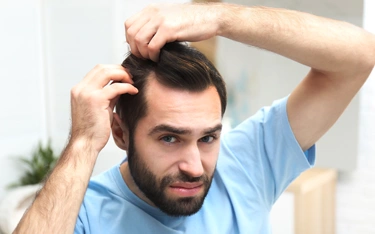
Noticing your hairline receding or thinning at the crown? Dihydrotestosterone (DHT) might be the reason. This hormone, derived from testosterone, plays a central role in male pattern baldness. While DHT is vital for male development, excessive levels can shrink hair follicles, weakening hair and causing gradual hair loss. Over time, this leads to thinning, a receding hairline, and, if left untreated, eventual baldness.
If you're wondering about the reason for hair fall at 20, DHT could be a key factor. Fortunately, there are ways to block DHT, both naturally and medically, to prevent further hair loss and even promote regrowth. In this blog, we’ll explore:
- How DHT contributes to hair loss
- Effective DHT blockers and treatment options
- Natural solutions and homeopathy for DHT hair loss
Let’s dive in!
What is DHT (Dihydrotestosterone)?
DHT is a byproduct of testosterone, converted by the enzyme 5-alpha reductase. While DHT is responsible for developing male characteristics like facial hair and a deep voice, it also binds to hair follicles, causing them to shrink over time. This leads to weaker, thinner hair strands and, eventually, permanent baldness.
Why Does DHT Cause Hair Loss?
- Hair follicles have androgen receptors that bind with DHT. Over time, these follicles shrink, leading to thinner and weaker hair
- The hair growth cycle shortens, meaning hair sheds faster and regrows more slowly
- DHT weakens hair follicles by cutting off their nutrient supply, leading to hormonal hair loss.
Signs and Symptoms of DHT-Related Hair Loss
- Receding Hairline: The classic M-shaped hairline is one of the first signs of DHT-related hair loss.
- Thinning at the Crown: Many men experience hair loss on the top of their head first.
- Shorter Hair Growth Cycle: Hair sheds more quickly and grows back finer than before.
- Excessive Shedding: More hair in your brush, on your pillow, or in the shower may indicate DHT-related thinning.
DHT Blockers and Hair Loss Treatment
DHT blockers help prevent testosterone from converting into DHT, a key trigger of hair loss, thereby protecting hair follicles and supporting various testosterone-related hair loss treatment options.
Overview of DHT Blocking Mechanisms
- Blocking Androgen Receptors: Prevents DHT from binding to hair follicles
- Inhibiting 5-Alpha Reductase: Stops the conversion of testosterone to DHT
- Topical Treatments: Applied directly to the scalp to reduce DHT activity locally
- Anti-Inflammatory Agents: Reduces scalp inflammation, a key contributor to hair loss Comparison of Different DHT Blockers
Comparison of Different DHT Blockers
| DHT Blocker | Type | Effectiveness | Side Effects |
|---|---|---|---|
| Finasteride | Prescription | Highly effective | Sexual side effects |
| Dutasteride | Prescription | More effective than Finasteride | Sexual side effects |
| Minoxidil | OTC/Prescription | Moderately effective | Scalp irritation |
| Natural Supplements | Supplement | Limited scientific backing | Low risk of side effects |
| Homeopathy | Natural treatment | Treats hair loss from the root . No scientific packaging | No known side-effects |
Choosing the Right DHT Blocker
- Consult a specialist to determine the best treatment for your condition
- Evaluate side effects before starting any medication
- Consider a combination of treatments for better results
Combating Hair Loss: Strategies to Reduce DHT Naturally
Along with medications and expert guidance, some natural agents and lifestyle changes can help reduce DHT levels and protect hair follicles.
How to Block DHT and Regrow Hair Naturally
- Pumpkin Seed Oil: Contains phytosterols that inhibit 5-alpha reductase
- Green Tea: Rich in catechins, which may lower DHT production
- Nettle Root Extract: May help restrict DHT production
- Zinc: Regulates hormonal balance and supports healthy hair growth
- Lycopene: Found in tomatoes and watermelon, it helps reduce DHT levels
Lifestyle Changes to Reduce DHT Naturally
- Regular Exercise: Increases circulation and reduces stress hormones that trigger DHT
- Healthy Diet: Nutrient-rich foods support hair follicle health
- Scalp Care: Keeping the scalp clean and massaging it regularly can improve blood flow and reduce DHT build-up
Why Choose Homeopathy for DHT Hair Loss?
Unlike chemical-based treatments, Homeopathic Treatment for Hair Fall takes a holistic approach to restoring hormonal balance and fortifying hair follicles naturally.
- Targets the root cause: Homeopathy regulates hormonal imbalances that contribute to hair loss
- Reduces DHT Impact Naturally: Homeopathy helps regulate DHT levels without interfering with overall hormonal balance
- Prevents further thinning: Strengthens weak follicles to prevent shedding
- Supports hair regrowth: Stimulates dormant follicles to encourage natural growth
- Safe for long-term use: No harmful side effects compared to synthetic medications
Dr Batra’s® pro tip:
Don’t wait until visible thinning. The earlier you address DHT-related hair fall, the better your chances of preserving and regrowing hair.
Why Choose Dr Batra’s® for DHT-Related Hair Loss?
At Dr Batra’s®, we offer homeopathic solutions that target DHT-induced hair loss safely and effectively:
- DHT Control: Our clinically tested homeopathic remedies regulate DHT naturally, preventing follicle shrinkage
- Personalised Treatment: Tailored solutions based on your scalp health, genetics, and hair loss stage
- Side-Effect Free: Unlike conventional DHT blockers, homeopathy offers a safe, long-term approach
- Combination Therapy: Homeopathy + advanced trichology solutions for maximum hair regrowth
Top Celebrities Trust Homeopathy!
Listen and get inspired by what these top celebrities have to say about Dr Batra’s® and their belief in homeopathy







Stop the root cause of hair loss
Book an AppointmentConclusion
- DHT is a major contributor to male pattern baldness, but it can be managed with the right dihydrotestosterone hair loss treatment
- Combining homeopathy with natural solutions can help reduce hair loss
- Early intervention leads to better regrowth results!
Frequently Asked Questions
- What is DHT (Dihydrotestosterone)?
- Why Does DHT Cause Hair Loss?
- Signs and Symptoms of DHT-Related Hair Loss
- DHT Blockers and Hair Loss Treatment
- Comparison of Different DHT Blockers
- Choosing the Right DHT Blocker
- Combating Hair Loss: Strategies to Reduce DHT Naturally
- Why Choose Homeopathy for DHT Hair Loss?
- Why Choose Dr Batra’s® for DHT-Related Hair Loss?
- FAQs


More in Hair
Trending Now
Types of Hair Loss: Understanding Different Hair Loss Conditions
Symptoms of Male Pattern Baldness & Early Signs of Hair Loss
Causes of Male Pattern Baldness: Why Hair Loss Happens in Men
Get Your Personalised Health Treatment Today


Working hours: 10am to 9pm daily.
Have Enquiries?
Leave your details and our hair therapy specialist will respond to your query shortly.