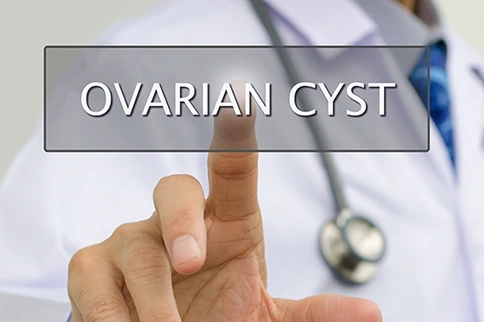
Have you noticed increased hair shedding, along with symptoms such as irregular periods, pelvic discomfort, or unexplained weight changes? For many women, these concerns may be connected. Hormonal changes associated with ovarian cysts can sometimes affect hair growth cycles, leading to noticeable hair thinning.
Understanding can ovarian cyst cause hair loss helps identify underlying hormonal imbalances early. With timely diagnosis and personalised treatment, hair thinning associated with ovarian health conditions can often be managed effectively.
Understanding Ovarian Cysts
Ovarian cysts are fluid-filled sacs that develop on or inside the ovaries. Many cysts are benign and may resolve naturally without causing symptoms. However, certain types can influence hormonal balance and affect multiple body systems, including one’s hair growth.
Women may develop ovarian cysts due to:
- Hormonal imbalance
- Irregular ovulation
- Polycystic ovary syndrome (PCOS)
- Endometriosis-related cysts
- Pregnancy-related cyst formation
While not every cyst leads to hair loss, hormonal fluctuations associated with certain ovarian conditions can disrupt the hair growth cycle.
The Role of Hormones in Hair Health
Healthy hair growth depends on a stable hormonal environment. Hormones regulate the phases of the hair growth cycle, including the growth (anagen), transition (catagen), and shedding (telogen) stages.
When hormonal balance shifts, the hair cycle can become disrupted.
Key Hormones Affecting Hair Growth
| Hormone | Role in Hair Health | Effect of Imbalance |
|---|---|---|
| Estrogen | Supports longer hair growth phase | Reduced density when levels drop |
| Androgens | Influence follicle activity | Excess levels can trigger thinning |
| Progesterone | Helps regulate androgen activity | Reduced protection against hair thinning |
| Insulin | Affects hormone balance | High insulin may increase androgen production |
Elevated androgen levels can increase follicle sensitivity to dihydrotestosterone (DHT), which may contribute to progressive hair thinning
Link Between PCOS and Hair Loss
One of the most recognised hormonal conditions associated with hair thinning is PCOS (Polycystic Ovary Syndrome). Women experiencing hormonal hair thinning may benefit from understanding PCOS hair loss and its impact on the hair growth cycle.
In PCOS, the ovaries produce higher-than-normal androgen levels. These hormones can shrink hair follicles over time, leading to gradual thinning, especially along the centre part of the scalp.
Women with ovarian cyst hair loss linked to PCOS may notice:
- Gradual thinning of hair at the crown
- Widening of the hair part
- Increased daily hair shedding
- Reduced hair volume
To better understand hormonal causes, explore PCOS hair loss and how it affects the hair growth cycle.
Can an Ovarian Cyst Cause Hair Loss?
Not all ovarian cysts directly cause hair thinning. However, when cysts disrupt hormonal regulation, they may indirectly influence hair health.
How Ovarian Cysts May Affect Hair Growth
| Underlying Factor | Internal Change | Hair Impact |
|---|---|---|
| Hormonal imbalance | Increased androgen activity | Follicle miniaturisation |
| Insulin resistance | Elevated androgen levels | Diffuse thinning |
| Chronic inflammation | Disruption of the hair cycle | Increased shedding |
| Hormone fluctuations | Shortened growth phase | Reduced hair density |
In some women, hair loss due to ovarian cyst may resemble female pattern thinning, particularly if hormonal imbalance persists.
Impact of Age on Hair Loss and Ovarian Cysts
Age can influence both hormonal stability and hair density. Certain reproductive stages may increase the likelihood of cyst formation or hormonal shifts.
Hormonal Phases and Hair Changes
| Life Stage | Hormonal Change | Hair Impact |
|---|---|---|
| Early reproductive years | Irregular ovulation possible | Temporary hair shedding |
| PCOS onset (20s–30s) | Elevated androgens | Gradual hair thinning |
| Perimenopause | Hormone fluctuations | Reduced hair density |
| Menopause | Lower estrogen levels | Increased scalp visibility |
Because hormone levels change throughout life, age-related hormonal shifts can contribute to hair loss caused by an ovarian cyst or hormonal imbalance.
Stress and Lifestyle Factors
Stress and lifestyle habits can worsen hormone-related hair thinning. While they may not directly cause ovarian cysts, they can aggravate symptoms associated with hormonal imbalance.
Lifestyle Factors That May Worsen Hair Thinning
| Factor | Effect on Hormonal Balance | Hair Impact |
|---|---|---|
| Chronic stress | Elevated cortisol | Increased hair shedding |
| Poor nutrition | Nutrient deficiency | Weak hair strands |
| Sleep disruption | Hormonal instability | Slow hair regrowth |
| Environmental pollution | Oxidative stress | Scalp irritation |
Managing lifestyle factors alongside medical care can improve outcomes for hair recovery.
For more details on contributing factors, explore the Causes of Hair Fall in Women.
Common Symptoms of Hair Loss in Women
Hair thinning related to hormonal imbalance often develops gradually.
Some of the typical signs include:
- Widening of the centre hair part
- Diffused hair thinning across the crown
- Reduced hair volume
- Increased hair shedding during washing or brushing
- Slower hair regrowth
Women experiencing these symptoms may benefit from early evaluation to identify the underlying cause.
Treatment Options for Managing Ovarian Cyst Symptoms
Managing hair thinning associated with ovarian cysts requires a comprehensive approach that addresses hormonal balance and scalp health. Homeopathic treatment aims to correct internal imbalances that contribute to hair thinning and support natural hair regrowth. You can learn more about homeopathic treatment for hair loss and how it helps strengthen follicles and restore scalp health here:
Treatment Goals
- Stabilise hormonal fluctuations
- Reduce excessive hair shedding
- Strengthen weakened hair follicles
- Support long-term scalp health
At Dr Batra’s®, doctors evaluate several factors before recommending personalised care:
- Hormonal profile
- Medical history
- Nutritional status
- Stress levels
- Scalp condition
Homeopathic treatment aims to address internal imbalances that contribute to hair thinning and support natural hair regrowth.
Learn more about Homeopathic Treatment for Hair Fall and how it supports long-term hair health.
Many patients notice a gradual reduction in shedding within a few weeks, followed by visible improvement in hair density over several months, depending on individual factors.
Transform your hair health naturally and safely
Book an AppointmentConclusion
Hormonal balance plays a key role in both ovarian health and hair growth.
- Hormonal imbalance may disrupt the hair growth cycle
- PCOS-related cysts can increase androgen activity
- Age-related hormonal shifts may influence hair density
- Stress and lifestyle factors can worsen shedding
- Early diagnosis helps manage both ovarian health and hair thinning effectively
Frequently Asked Questions
- Understanding Ovarian Cysts
- The Role of Hormones in Hair Health
- Link Between PCOS and Hair Loss
- Can an Ovarian Cyst Cause Hair Loss?
- Impact of Age on Hair Loss and Ovarian Cysts
- Stress and Lifestyle Factors
- Common Symptoms of Hair Loss in Women
- Treatment Options for Managing Ovarian Cyst Symptoms
- FAQs


More Articles
Trending Now
Types of Hair Loss: Understanding Different Hair Loss Conditions
Symptoms of Male Pattern Baldness & Early Signs of Hair Loss
Causes of Male Pattern Baldness: Why Hair Loss Happens in Men
Get Your Personalised Health Treatment Today


Working hours: 10am to 9pm daily.
Have Enquiries?
Leave your details and our hair therapy specialist will respond to your query shortly.