Google
star
4.7 across 200 clinics

Expert Care for Managing Piles and Hemorrhoid Symptoms

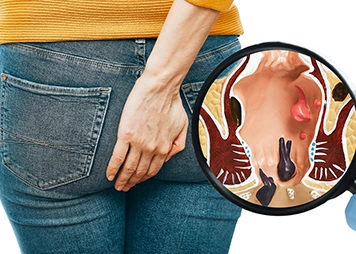
Piles, also known as haemorrhoids, are swollen veins in the rectum and anus that can cause discomfort, itching, pain, and bleeding during bowel movements. This common condition is often associated with factors such as chronic constipation, prolonged sitting, straining during bowel movements, pregnancy, or a low-fibre diet. Recognising the symptoms of piles early and understanding their cause can help prevent the condition from worsening and support better digestive health. At Dr Batra’s®, personalised treatment focuses on addressing the underlying causes of haemorrhoids while helping reduce discomfort and improve overall well-being.

Book an Appointment

Get a detailed consultation at just ₹499/-

Left
Right

Why Choose Dr Batra’s® for Piles Treatment

Dr Batra’s® provides personalised and holistic care aimed at managing piles symptoms while addressing the underlying digestive and lifestyle factors that contribute to the condition.

✓ Personalised Treatment Plans
Every patient receives a customised treatment plan based on symptoms, lifestyle habits, and medical history to ensure targeted and effective care.

✓ Experienced Homeopathic Doctors
Qualified homeopathic doctors carefully evaluate the symptoms of piles and overall health before recommending a suitable treatment approach.

✓ Focus on the Root Cause
Treatment focuses on identifying the underlying digestive issues and lifestyle factors that may be among the reasons for hemorrhoids.

✓ Natural and Gentle Care
Homeopathic treatment supports the body’s natural healing response and aims to manage symptoms without invasive procedures.

✓ Long-term Relief Approach
The goal is to reduce recurrence by improving digestive balance, promoting healthy bowel habits, and supporting overall gut health.

All treatments are available across 200+ clinics in India, Bangladesh, the UK, Malaysia, Thailand, Bahrain, and the UAE.

Dr Batra’s® Approach to Piles Treatment

At Dr Batra’s®, the treatment process focuses on understanding the patient’s digestive health and lifestyle factors.

1
 
 
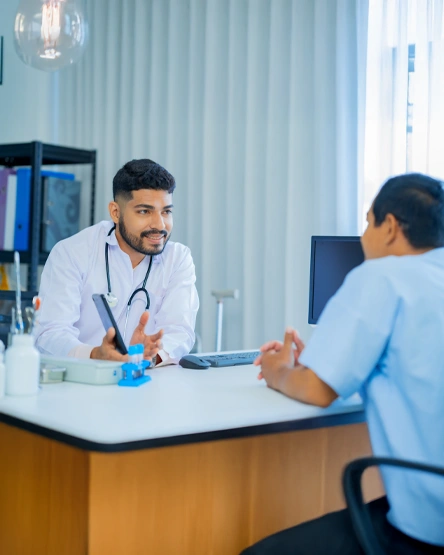
Detailed Consultation
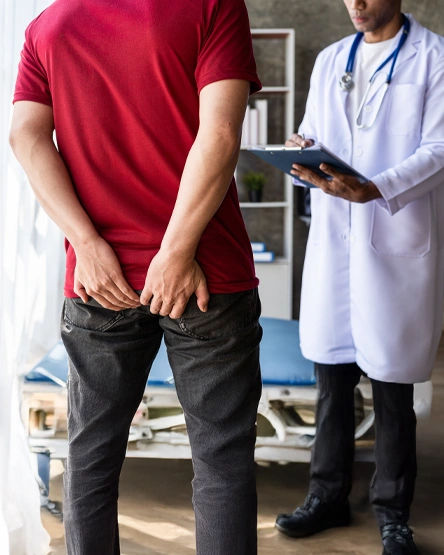
Doctors conduct a thorough evaluation of symptoms such as pain, itching, bleeding, swelling, and discomfort during bowel movements. The consultation also helps assess the severity of the condition and its impact on the patient’s daily life and digestive health.
2
 
 
Root Cause Identification
Dietary habits, constipation patterns, prolonged sitting, physical activity levels, and other lifestyle factors are carefully reviewed to identify the underlying causes of piles and factors that may be worsening the condition.
3
 
 
Personalised Remedy Selection
Based on the patient’s symptoms, medical history, and overall health profile, doctors select suitable homeopathic remedies designed to help manage discomfort and support the body’s healing response.
4
Continuous Monitoring and Support
Regular follow-ups help track improvements in hemorrhoids, monitor symptoms such as pain, swelling, and bleeding, and adjust the homeopathic treatment when required to support healing and help reduce the recurrence of piles.
Consultation
Root Cause
Remedy Selection
Monitoring

Signs & Symptoms of Piles

The symptoms of piles may vary depending on the type and severity of the condition. Early recognition helps in timely management and relief.

Pain or discomfort during bowel movements

Pain or discomfort during bowel movements

Rectal bleeding

Rectal bleeding

Itching or irritation around the anus

Itching or irritation around the anus

Swelling near the anal region

Swelling near the anal region

A lump or protrusion around the anus

A lump or protrusion around the anus

Mucus discharge

Mucus discharge

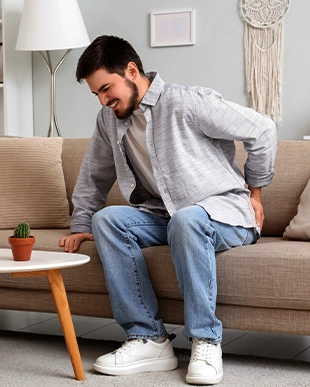
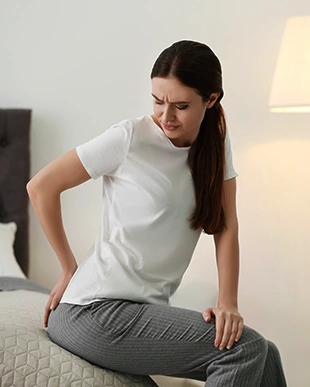
Difficulty sitting comfortably

Difficulty sitting comfortably

Did you know?

Piles are one of the most common anorectal conditions worldwide. Studies suggest that nearly 50% of adults may experience hemorrhoids at some point in their lives, particularly after the age of 45.

Causes of Piles

Several factors may contribute to the development of piles. Understanding what causes haemorrhoids can help prevent and effectively treat them.

Chronic constipation

Frequent constipation and straining during bowel movements increase pressure on the veins in the rectal area. Over time, this pressure can cause the veins to swell, leading to the development of piles.

Low-fibre diet
Low-fibre diet

A low-fibre diet can lead to hard stools and difficulty passing bowel movements. This may increase straining, which is one of the common factors contributing to the formation of piles.

Prolonged sitting
Prolonged sitting

Sitting for extended periods, particularly on the toilet, can place continuous pressure on the rectal veins. This pressure may weaken the veins and increase the likelihood of developing piles.

Pregnancy
Pregnancy

During pregnancy, hormonal changes and increased pressure from the growing uterus can affect the pelvic veins. These changes may increase the risk of piles, especially in the later stages of pregnancy.

Obesity
Obesity

Excess body weight can increase pressure on the pelvic and rectal veins. This additional pressure may contribute to venous swelling and increase the risk of piles.

Age-related changes
Age-related changes

As people age, the tissues that support the veins in the rectum and anus may gradually weaken. This can make the veins more prone to swelling and increase the chances of developing piles.

Watch

Dr. Mukesh Batra, Padma Shri recipient (Homeopathy) and Founder of Dr Batra’s®, talks about piles, common relief techniques, and how homeopathy may help manage symptoms naturally.

Video Intro

Frequently Asked Questions

Early symptoms of piles may include itching around the anus, mild pain during bowel movements, and occasional rectal bleeding. Some people may also notice swelling or a small lump near the anal area.
Common causes of piles include chronic constipation, straining during bowel movements, low-fiber diet, prolonged sitting, pregnancy, and obesity.
Certain habits, such as prolonged sitting, straining during bowel movements, eating spicy foods, or delaying bowel movements, can worsen symptoms of piles. Understanding these triggers is important, as explained in the blog on 10 things that may make piles haemorrhoids worse.
Yes, piles and haemorrhoids refer to the same condition. The term hemorrhoids is the medical name for swollen veins in the rectum and anus.
Mild piles may improve with dietary changes and proper bowel habits. However, persistent symptoms should be evaluated by a doctor to prevent complications.
Certain foods, such as spicy dishes, fried snacks, processed foods, red meat, and excess dairy, can worsen constipation and irritation, increasing discomfort. Learn more about foods to avoid when suffering from piles to help manage symptoms and support smoother digestion.
Medical consultation is recommended if symptoms such as persistent bleeding, severe pain, or swelling around the anus continue or worsen.
Certain habits, such as prolonged sitting, straining during bowel movements, eating spicy foods, or delaying bowel movements, can worsen symptoms of piles. Understanding these triggers is important, as explained in the blog on 10 things that may make haemorrhoids worse.

References

Get Your Personalised Chronic Constipation Treatment Today

Location Icon
Locate Your Nearest Clinic Before
Working hours: 10am to 9pm daily.
Eval test Icon
Take a Free Hair Health Evaluation Before
Get answers about hair fall treatment in under 5 minutes!

Get a call back from our Health advisor

Consult a Piles expert now

I understand and accept the terms and conditions