Symptoms of Male Pattern Baldness & Early Signs of Hair Loss - test blog live
Talk to Our Experts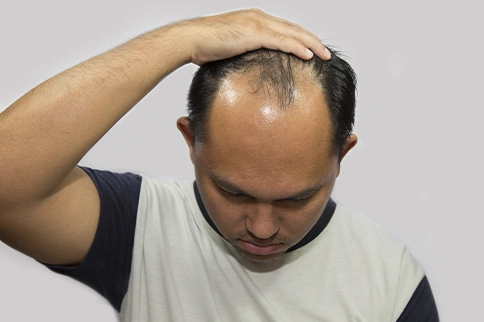
A slowly shifting hairline. Thinning near the crown. More scalp visibility under bright light. These are common Symptoms of Male Pattern Baldness, a progressive condition that affects millions of men globally.
At first, the changes are subtle. Many dismiss them as temporary shedding. But recognising the early signs of male pattern baldness makes a critical difference. The sooner you act, the more options you have to protect existing hair and slow progression.
Signs & Symptoms of Male Pattern Baldness
Understanding the Symptoms of Male Pattern Baldness helps you respond early. Here are the most noticeable changes:
Receding Hairline
One of the classic signs of male balding is a gradual recession at the temples, often forming an “M” shape.
Thinning at the Crown
Increased scalp visibility at the vertex (top back of the head) is among the most common signs of male pattern hair loss.
Excessive Shedding
Noticing more strands on your pillow, in your shower drain, or on your comb may indicate hair loss, a condition male patients often report.
Reduced Hair Density
Hair may feel lighter, flatter, or less voluminous than before.
Miniaturised Hair Strands
Over time, thicker strands become finer and shorter, a biological hallmark of progressive balding.
These are early warning signals. Ignoring them, without Homeopathic treatment for Male Pattern Baldness, allows gradual follicle shrinkage to continue unchecked.
How to Identify if You Have Male Pattern Baldness?
If you suspect changes, try these simple observations:
Family Pattern Review
Genetics plays a dominant role in the causes of male hair thinning. If close relatives experienced patterned baldness, your risk increases.
Monthly Photo Comparison
Subtle progression is easier to spot when comparing photos taken months apart.
Hair Texture Monitoring
Fine, weaker strands may signal the early stages of Male Pattern Baldness.
Hairline Tracking
Measure the distance from the eyebrows to the hairline over time to detect recession.
How to Differentiate Between Normal Hair Fall & Balding?
Normal Hair Fall
Losing 50–100 strands daily is part of the natural hair cycle.
Male Pattern Baldness Symptoms
Gradual thinning in specific areas, visible scalp, and progressive recession indicate patterned loss rather than temporary shedding.
A key distinction is pattern. Random shedding differs from structured thinning along the hairline and crown.
Dr Batra's® Pro Tip
In male pattern baldness, hair follicles shrink before hair stops growing. Early evaluation helps slow progression and preserve density.
Signs of Male Pattern Hair Loss at Different Ages
In Your 20s
Early temple recession or mild thinning may appear. Lifestyle stress and hormonal fluctuations can accelerate the early signs of male pattern baldness.
In Your 30s
Noticeable crown thinning or widening hairline becomes more defined.
In Your 40s and Beyond
Hair density continues to decline, and bald areas may expand.
Age influences severity, but genetics determines the blueprint.
Causes & Risk Factors of Male Pattern Baldness
Several biological and lifestyle contributors drive the causes of thinning hair in males:
Genetics
Inherited sensitivity to dihydrotestosterone (DHT) is the primary cause for male pattern baldness.
Hormonal Influence
Elevated DHT levels shrink hair follicles over time.
Ageing
Hair growth cycles shorten as men age.
Chronic Stress
Stress can accelerate shedding phases.
Medical Conditions
Thyroid disorders and scalp inflammation may worsen hair thinning.
Understanding these reasons for hair loss at 20 helps determine the most suitable intervention strategy.
Stages of Male Pattern Baldness
The Norwood Scale classifies the progression of stages of male balding:
- Stage 1 – Minimal recession
- Stage 2 – Mild temple recession
- Stage 3 – Deepening “M” pattern
- Stage 4 – Visible crown thinning
- Stage 5 – Expanding bald areas
- Stage 6 – Connecting crown and frontal loss
- Stage 7 – Advanced horseshoe-shaped hair pattern
Identifying your stage clarifies severity and treatment direction.
Types of Treatment for Male Pattern Baldness
Management options depend on stage and progression:
Homeopathic Treatment
Individualised remedies that support scalp health and follicle strength.
Medications
Topical or oral therapies aimed at slowing DHT-related thinning.
Advanced Treatments
PRP and laser-based interventions.
Lifestyle Support
Balanced nutrition, stress reduction, and scalp care improve overall outcomes.
Early detection of Symptoms of Male Pattern Baldness improves response to treatment.
Signs That Indicate a Need for Medical Consultation
Seek expert evaluation if you notice:
Rapid progression of male pattern hair loss
Sudden increase in shedding
Visible bald patches
Scalp itching, inflammation, or discomfort
Strong family history with early onset
Timely consultation helps differentiate reversible shedding from progressive patterned loss.
Conclusion
- Recognising the Symptoms of Male Pattern Baldness early gives you better control over hair health and future progression.
- Subtle temple recession, thinning at the crown, and increased shedding are not random changes; they are biological signals of patterned hair loss.
- Acting on the early signs of male pattern baldness improves your chances of slowing progression and preserving existing hair density.
- Hair loss often follows a predictable pattern, but timely awareness enables smarter, more effective intervention.

Frequently Asked Questions
- Signs & Symptoms of Male Pattern Baldness
- How to Identify if You Have Male Pattern Baldness?
- How to Differentiate Between Normal Hair Fall & Balding?
- Signs of Male Pattern Hair Loss at Different Ages
- Causes & Risk Factors of Male Pattern Baldness
- Stages of Male Pattern Baldness
- Types of Treatment for Male Pattern Baldness
- Signs That Indicate a Need for Medical Consultation
- Conclusion


More in Hair

Trending Now
Symptoms of Male Pattern Baldness & Early Signs of Hair Loss
Causes of Male Pattern Baldness: Why Hair Loss Happens in Men
Female Pattern Baldness Symptoms: How to Recognise Early Hair Loss in Women
Get Your Personalised Hair Fall Treatment Today


Working hours: 10am to 9pm daily.
Have Enquiries?
Leave your details and our hair therapy specialist will respond to your query shortly.