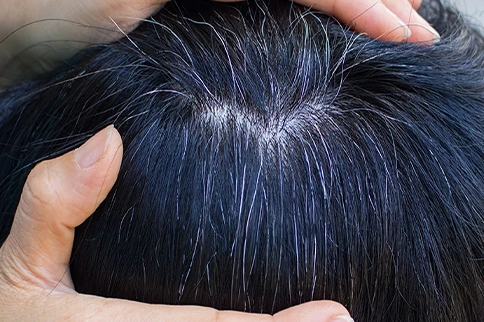
Noticing grey hair in childhood can be surprising and often worrying for parents. While greying hair is usually associated with ageing, some children may develop a few grey strands much earlier than expected.
In many cases, grey hair in kids is linked to genetic factors, nutritional deficiencies, or lifestyle influences. However, it may sometimes signal an underlying health condition that requires medical attention.
Understanding why hair greying in childhood occurs can help parents take timely action and support healthier hair development in children.
How does hair turn grey?
Hair colour is determined by melanin, a pigment produced by specialised cells called melanocytes within the hair follicles.
These pigment-producing cells supply melanin to the growing hair shaft. When melanin production slows down or stops, the hair gradually loses its natural colour and appears grey or white.
In cases of grey hair at a young age, melanocyte activity may reduce earlier than expected due to genetic, nutritional, or medical factors.
What are the causes of premature greying in children?
Several internal and external factors may contribute to hair greying in childhood. Identifying the root cause is important for appropriate management and treatment.
Genetic Factors
Genetics is one of the most common reasons for grey hair in kids. If parents or grandparents experienced premature greying, children may inherit a similar tendency.
When genes influence melanin production, hair follicles may begin losing pigment earlier in life.
Vitamin Deficiency
Nutritional deficiencies can interfere with healthy hair pigmentation.
Key nutrients linked to premature greying include:
- Vitamin B12
- Iron
- Copper
- Zinc
- Vitamin D
Inadequate nutrition may weaken melanocyte function and contribute to grey hair at a young age.
Excessive Stress
Although commonly associated with adults, children can also experience psychological stress due to academic pressure, lifestyle changes, or emotional factors.
Prolonged stress may disrupt hormonal balance and contribute to premature greying of hair.
Cellular Diseases
Certain autoimmune or metabolic disorders may affect pigment-producing cells in hair follicles.
Conditions that may influence hair pigmentation include:
- Autoimmune diseases
- Metabolic disorders
- Chronic inflammatory conditions
These conditions can disrupt melanin production, leading to early greying.
Environmental and Lifestyle Triggers
Environmental exposure can also affect children's hair health.
Common triggers include:
- Exposure to pollutants
- Poor dietary habits
- Irregular sleep patterns
- Nutritional imbalance
Over time, these factors may accelerate the appearance of grey strands.
Side Effects of Medications
Certain medications may interfere with the body’s pigment production or nutritional balance.
In some cases, long-term medication use may contribute to early greying in children.
Other Factors That Could Cause Greying of Hair Are as Follows:
Several everyday exposures may influence premature greying.
Smoking
Passive exposure to cigarette smoke can increase oxidative stress in the body, which may affect hair follicles and melanin production.
Dental Whitening Products
Some dental products containing peroxide compounds may contribute to oxidative stress in the body when used excessively.
Pollution
Environmental pollutants produce free radicals that may damage melanocytes, which are responsible for hair colour.
Hair Care Products
Harsh chemical-based hair products may irritate the scalp and weaken hair follicles over time. Choosing mild, child-safe products is important for maintaining healthy hair.
Thyroid
Thyroid hormone imbalance can affect metabolism and hair growth cycles. Children with thyroid disorders may experience symptoms such as hair thinning, dryness, or premature greying.
Vitiligo
Vitiligo is a condition where pigment-producing cells are destroyed in certain areas of the body.
In some cases, hair growing from affected skin patches may appear white or grey. Vitiligo treatment in homeopathy may help support immune balance and skin health.
Facts About Premature Grey Hair in Kids
Understanding the reality behind early greying can help reduce unnecessary anxiety among parents.
Myths vs Facts: What Science Says About Grey Hair in Children
Myth: Grey hair in kids always indicates a serious disease.
Fact: In many cases, premature greying is linked to genetics or nutrition.
Myth: Plucking grey hair causes more grey hair.
Fact: Plucking does not increase grey hair but may damage hair follicles.
Myth: Grey hair cannot be managed.
Fact: With proper diagnosis and treatment, the condition can often be managed effectively.
How Common Is Grey Hair at a Young Age?
Although uncommon, premature greying can occur in children and teenagers. Increasing lifestyle stress, nutritional imbalance, and environmental exposure have contributed to a gradual rise in such cases.
How to best handle the situation?
If parents notice grey hair in childhood, the first step is to remain calm and observe the pattern.
Parents should consider:
- Monitoring if the number of grey strands increases
- Ensuring the child receives balanced nutrition
- Checking for symptoms of nutritional deficiency or illness
- Consulting a medical professional if greying progresses rapidly
Early evaluation helps identify underlying causes and guide suitable treatment.
Treatment for grey hair
Treatment for premature greying in children depends on the underlying cause.
Doctors may recommend:
- Nutritional correction
- Medical evaluation for hormonal or autoimmune conditions
- Lifestyle and stress management
- Hair and scalp care support
If hair greying is linked with hair thinning or shedding, seeking appropriate hair fall treatment or Hair Loss Treatment may also support overall scalp health.
Effective medicines for treating grey hair in kids
Different medical approaches may be considered depending on the diagnosis.
Homeopathic Treatment for a Child's Grey Hair
Homeopathy focuses on addressing internal imbalances that may contribute to premature greying.
At Dr Batra’s®, doctors assess:
- Genetic predisposition
- Nutritional health
- Hormonal balance
- Stress levels
- Scalp condition
The personalised homeopathic treatment aims to:
- Improve scalp health
- Support melanin production
- Strengthen hair follicles
- Reduce further greying
Vitamin and Mineral Supplements
Doctors may recommend supplements if nutritional deficiencies are identified.
Commonly prescribed nutrients include:
- Vitamin B12
- Iron
- Zinc
- Copper
These nutrients help support healthy hair pigmentation and follicle function.
Ayurvedic and Herbal Solutions
Some herbal remedies may support scalp health and hair strength. However, these should only be used under professional supervision, especially in children.
Psychological and social impact of grey hair in kids
Premature greying may affect a child’s emotional and social well-being.
Emotional Well-being and Self-esteem
Children may feel self-conscious if their appearance differs from that of their peers.
This may affect:
- Confidence
- Social interaction
- Self-image
Parents should reassure children and help them understand that hair changes do not define their identity.
Coping With Peer Pressure
Children may face questions or teasing about their appearance. Parents can help by encouraging open conversations and building emotional resilience.
Managing Bullying and Social Stigma
Schools and families should promote supportive environments where children feel safe and accepted, regardless of physical differences.
How Parents Can Support a Child With Premature Grey Hair
Parents play a key role in helping children manage the condition.
Helpful approaches include:
- Encouraging a healthy lifestyle
- Ensuring balanced nutrition
- Avoiding harsh hair treatments
- Seeking timely medical advice
Prevention tips for grey hair at a young age
Although genetic factors cannot always be prevented, certain lifestyle habits may help support healthy hair pigmentation.
Balanced Diet and Essential Nutrients
Children should consume a diet rich in:
- Green leafy vegetables
- Fruits and nuts
- Whole grains
- Protein-rich foods
Adequate nutrition supports healthy hair growth and pigment production.
Scalp and Hair Care Routine for Kids
A gentle hair-care routine can help protect hair health.
Parents should:
- Use mild shampoos
- Avoid excessive heat styling
- Maintain scalp hygiene
Avoiding Harmful Hair Products
Children should avoid chemical hair treatments, dyes, or harsh styling products that may damage hair follicles.
Consult our doctors for complete homeopathy solutions
Book an AppointmentConclusion
The appearance of grey hair in childhood can be concerning, but it does not always indicate a serious health condition.
Key takeaways include:
- Premature greying may result from genetics, nutrition, or medical factors
- Environmental exposure and stress may contribute to hair greying in childhood
- Early evaluation helps identify the underlying cause
- Nutritional correction and personalised treatment may support healthier hair
With timely care and appropriate medical guidance, many children can maintain healthier scalp and hair health over time.
Frequently Asked Questions
- How Does Hair Turn Grey?
- What are the causes of premature greying in children?
- Other factors that could cause greying of hair
- Facts About Premature Grey Hair in Kids
- How to best handle the situation?
- Treatment for grey hair
- Effective medicines for treating grey hair in kids
- Psychological and social impact of grey hair in kids
- Prevention tips for grey hair at a young age
- FAQs
- Conclusion


More Articles
Trending Now
Types of Hair Loss: Understanding Different Hair Loss Conditions
Symptoms of Male Pattern Baldness & Early Signs of Hair Loss
Causes of Male Pattern Baldness: Why Hair Loss Happens in Men
Get Your Personalised Health Treatment Today


Working hours: 10am to 9pm daily.
Have Enquiries?
Leave your details and our hair therapy specialist will respond to your query shortly.