Post-Summer Pigmentation: Why Dark Spots Get Worse After June and How to Fade Them
Talk to Our Experts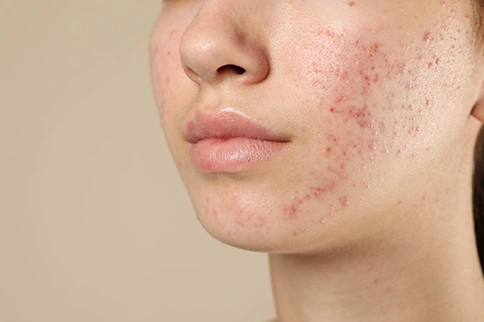
Have your dark spots suddenly become more noticeable even though summer is over? You are not alone. Many people find that facial pigmentation tends to worsen after June, leaving uneven skin tone, stubborn patches, and marks that don't fade as quickly as expected.
While most people associate pigmentation with direct sun exposure, the effects of summer often persist for weeks. Months of exposure to UV rays and heat can trigger excessive melanin production, making dark spots more visible even after the season ends.
The good news is that understanding what facial pigmentation is, why it worsens after summer, and how to manage it can help you take the right steps towards healthier, more even-toned skin.
What Is Pigmentation on Face?
If you have ever noticed dark patches, brown spots, or uneven skin tone, you have experienced a form of pigmentation.
So, what is pigmentation on face?
Pigmentation refers to changes in skin colour caused by excess production of melanin, the pigment responsible for giving skin its natural colour. When melanin is produced unevenly or in larger amounts, it can lead to visible dark spots or patches on the skin.
Pigmentation on the skin may appear as:
- Melasma
- Sun spots or age spots
- Freckles
- Acne marks
- Post-inflammatory hyperpigmentation
- Uneven skin tone
Although pigmentation is generally harmless, it can become a cosmetic concern, especially when it affects visible areas of the face.
Why Does Pigmentation Get Worse After June?
Many people notice that their facial pigmentation becomes more prominent after summer rather than during it. This happens for several reasons, and we are going to find out today on this blog.
Delayed Sun Damage
The skin doesn't always show the effects of UV exposure immediately. Excess melanin produced during summer can take weeks to surface, making dark spots appear more noticeable after June.
Increased Melanin Production
When your skin is exposed to sunlight, it naturally produces more melanin as a protective mechanism. Over time, this can result in uneven pigmentation and visible dark patches.
Heat-Induced Pigmentation
Heat itself can stimulate pigment-producing cells, especially in people prone to melasma. This means that even without direct sun exposure, high temperatures can contribute to your skin pigmentation.
Existing Pigmentation Becomes Darker
If you already have acne scars, melasma, or old pigmentation marks, summer sun exposure can deepen these spots and make them harder to fade.
Factors That Increase the Risk of Pigmentation
While sun exposure is a major trigger, several other factors can also contribute to skin pigmentation.
Hormonal Changes
Hormonal fluctuations during pregnancy or menopause, or certain medications, can trigger pigmentation, particularly melasma.
Acne and Skin Inflammation
Skin trauma from acne, eczema, or irritation can leave dark marks once the skin heals.
Family History
Genetics can influence how susceptible your skin is to developing pigmentation.
Stress
Chronic stress may affect hormonal balance and overall skin health, making pigmentation concerns worse in some individuals.
Inadequate Sun Protection
Skipping sunscreen or failing to reapply it regularly increases the likelihood of UV-induced pigmentation.
Common Types of Post-Summer Pigmentation
Understanding the type of pigmentation can help determine the most suitable treatment approach.
Melasma
Characterised by brown or grey patches, melasma commonly appears on the cheeks, forehead, nose, and upper lip. It is often linked to hormonal changes and sun exposure.
Sun Spots
Also known as age spots, these develop due to cumulative sun damage and are commonly seen on sun-exposed areas.
Post-Inflammatory Hyperpigmentation
These dark marks appear after acne, cuts, burns, or skin irritation and often become more noticeable after sun exposure.
Freckles
Freckles may darken during summer and remain visible even after the season ends.
Signs Your Pigmentation Needs Attention
You may benefit from professional evaluation if you notice:
- Dark spots becoming progressively darker
- Uneven skin tone that persists for months
- Pigmentation spreading to larger areas
- Recurring pigmentation every summer
- Acne marks that do not fade over time
- Pigmentation affecting your confidence
Early intervention often helps prevent pigmentation from becoming deeper and more difficult to treat.
How to Remove Pigmentation from Face Permanently
One of the most common questions people ask is: How to permanently remove pigmentation from the face?
The answer depends on the underlying cause, severity, and depth of the pigmentation. While some forms of pigmentation can fade significantly, long-term improvement often requires addressing the factors responsible for excess melanin production.
Treatment may focus on:
- Controlling melanin production
- Improving skin cell turnover
- Fading existing dark spots
- Preventing future pigmentation
- Addressing hormonal or lifestyle-related triggers
The earlier treatment begins, the better the chances of managing pigmentation effectively.
How to Remove Pigmentation from Face Permanently Naturally at Home
If you are looking for a way to permanently and naturally remove pigmentation from your face at home, adopting healthy skincare habits can support overall skin health and reduce further darkening.
Use Sunscreen Daily
Daily sunscreen application is one of the most important steps in preventing worsening pigmentation.
Stay Hydrated
Well-hydrated skin functions more effectively and supports natural skin renewal.
Eat Antioxidant-Rich Foods
Include foods rich in vitamins C and E, such as:
- Citrus fruits
- Berries
- Tomatoes
- Almonds
- Spinach and leafy greens
Avoid Picking at Acne
Picking pimples increases the risk of post-inflammatory pigmentation and long-lasting scars.
Follow a Consistent Skincare Routine
Gentle cleansing, moisturising, and sun protection can help maintain healthier-looking skin.
While these measures may help with mild pigmentation, persistent or deeper pigmentation often requires professional care.
How Dr Batra's® Homeopathy Helps Manage Pigmentation?
At Dr Batra's®, pigmentation treatment focuses on understanding and addressing the root cause rather than simply targeting visible spots.
Homeopathy follows a holistic and personalised approach that considers factors such as:
- Hormonal imbalances
- Stress levels
- Genetic predisposition
- Lifestyle habits
- Skin sensitivity
- Medical history
The treatment plan is personalised to the individual's specific condition and aims to support the body's natural healing processes. By addressing underlying triggers, homeopathy may help reduce the tendency for pigmentation to recur and promote overall skin health.
Backed by decades of experience in holistic healthcare, Dr Batra's® combines personalised homeopathic treatment with expert guidance on skincare, lifestyle modifications, and preventive measures to help patients manage pigmentation more effectively.
Tips to Prevent Pigmentation from Returning
Even after pigmentation improves, prevention remains essential.
Follow these practical tips:
- Wear sunscreen every day
- Reapply sunscreen when outdoors
- Avoid direct sun exposure during peak hours
- Use protective clothing and hats
- Treat acne early
- Maintain a healthy skincare routine
- Stay hydrated
- Eat a balanced diet rich in antioxidants
- Avoid harsh skincare products that may irritate the skin
Consistency is key to maintaining an even skin tone and retaining skin moisture and nourishment.
When Should You Consult a Skin Expert?
One can consult a skin expert if:
- Pigmentation continues to worsen
- Dark spots do not improve despite home care
- Melasma becomes more prominent
- Pigmentation spreads rapidly
- You experience recurrent pigmentation after every summer
A professional assessment can help identify the root cause and recommend an appropriate treatment plan.
Conclusion
Post-summer pigmentation is a common concern that often becomes more visible after June due to delayed sun damage, heat exposure, and increased melanin production. Understanding what facial pigmentation is and recognising the factors that contribute to it can help you take timely action before dark spots become more stubborn.
While sunscreen, healthy skincare habits, and lifestyle changes can help protect your skin, persistent facial pigmentation may require a more personalised skin treatment approach. Addressing the root cause early can improve the chances of achieving clearer, healthier-looking skin and preventing future flare-ups.
Don't Let Dark Spots Linger
Consult Dr Batra's® experts today for personalised care and long-term pigmentation management.
Frequently Asked Questions
- What Is Pigmentation on Face?
- Why Does Pigmentation Get Worse After June?
- Factors That Increase the Risk of Pigmentation
- Common Types of Post-Summer Pigmentation
- Signs Your Pigmentation Needs Attention
- How to Remove Pigmentation from Face Permanently
- How to Remove Pigmentation from Face Permanently Naturally at Home
- How Dr Batra's® Homeopathy Helps Manage Pigmentation?
- Tips to Prevent Pigmentation from Returning
- When Should You Consult a Skin Expert?


Get Your Personalised Health Treatment Today


Working hours: 10am to 9pm daily.
Have Enquiries?
Leave your details and our hair therapy specialist will respond to your query shortly.