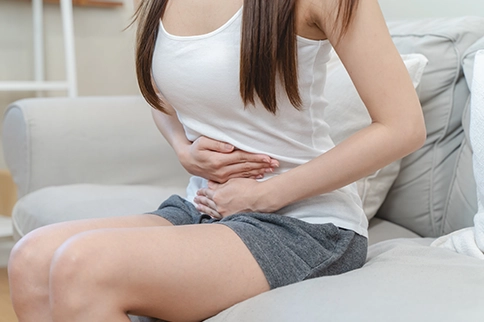
If you have been dealing with persistent breakouts, creeping weight gain, unexpected hair fall, or sudden mood swings from nowhere, your body might be signalling something deeper. PCOS is increasingly common among Indian women of reproductive age, with several Indian studies reporting prevalence ranging from 10% to 20%. Recognising these signs early gives you the best chance of managing this condition before it becomes serious. The sooner you seek help from a qualified homeopathic doctor, the better your outcomes.
Which Menstrual Irregularities Point to PCOS?
Irregular or missed periods rank among the most telling signs of this condition. Your menstrual cycle is essentially a report card for hormonal health. When periods arrive unpredictably or vanish for months, ovulation is likely not happening as it should. When irregular periods persist alongside other symptoms of PCOS in females, such as weight fluctuations or skin changes, they deserve attention from a homeopathy specialist rather than a wait-and-watch approach.
How Does Excess Hair Growth Signal PCOS?
Hirsutism, or excessive hair growth on the face, chest, and abdomen, is among the most visible PCOS signs and symptoms. PCOS drives the ovaries to produce higher-than-normal androgen levels, which are responsible for male-pattern hair distribution. Roughly 70% of women with PCOS experience unwanted hair growth. Addressing the hormonal root through targeted treatment provides a far more lasting solution than shaving or waxing.
Why Does PCOS Cause Stubborn Acne and Hair Loss?
Acne that keeps returning on your face, chest, or back despite consistent skincare is a hallmark of PCOS symptoms. Elevated androgens push the skin's oil glands into overdrive, clogging pores and fuelling persistent breakouts that often leave dark marks. PCOS also triggers scalp hair thinning similar to male-pattern baldness. This contrast between excess facial hair and thinning scalp hair can be distressing. A homeopathic doctor can evaluate whether these concerns stem from hormonal disruption and target the cause.
Is Unexplained Weight Gain a Sign of PCOS?
Sudden weight gain, particularly around the midsection, is another red flag. Insulin resistance, common in PCOS, makes the body store fat readily and resist efforts to shed it. Even women who eat well and exercise may find the scale stubbornly climbing. This is not about willpower. It is a metabolic consequence of hormonal chaos. Research shows that even a 5% weight reduction can significantly improve PCOS symptoms, making weight management a crucial part of any treatment plan.
Dr Batra's® Pro Tip
If you notice irregular periods, persistent acne, unwanted facial hair, or sudden weight gain, do not ignore them. Track your cycles, monitor changes in skin and hair, and seek early evaluation. Timely, individualised treatment combined with diet, exercise, and stress care can significantly improve long-term hormonal balance and fertility outcomes.
What Are the Hidden PCOS Symptoms Most Women Miss?
Beyond well-known signs, several treatment guides fail to mention subtler indicators:
- Dark skin patches on the neck, armpits, or groin (acanthosis nigricans)
- Intense sugar cravings from insulin resistance
- Unexplained fatigue that sleep does not fix
- Emotional overwhelm, anxiety, or depressive episodes
- Persistent sleep disturbances
- Digestive discomfort, bloating
- Difficulty conceiving despite regular attempts
When these cluster together, they point toward PCOS and warrant professional evaluation.
How Does PCOS Affect Fertility in Women?
Fertility challenges represent one of the most heartbreaking PCOS consequences. Clinical observations suggest that a significant number of women with PCOS experience difficulty conceiving due to irregular ovulation. The encouraging news is that PCOS-related infertility is highly treatable. With homeopathy treatment for PCOS supports cycle regularity and ovulatory balance.
What Triggers These Signs in Indian Women?
Understanding PCOS Causes helps explain why symptoms develop. Common triggers among Indian women include:
- Family history of PCOS or diabetes
- Elevated insulin levels from insulin resistance
- Obesity or sudden weight changes
- Diets heavy in refined carbohydrates and sugars
- Sedentary living combined with chronic stress
These factors worsen each other, creating a cycle that requires addressing diet, activity, stress, and hormonal health together.
How Can You Manage These Signs Naturally?
Daily habits play a powerful supporting role in managing symptoms of PCOS in females:
- Move your body at least 30 minutes daily through walking, swimming, or any enjoyable activity.
- Eat a fibre-rich diet while cutting back on sugar and refined carbohydrates.
- Practise stress management through yoga, meditation, or nature walks.
- Track menstrual cycles so your homeopathy specialist can spot hormonal shifts early.
- Maintain a healthy weight; even a 5% loss brings measurable relief.
How Does Dr Batra's® Help Women With PCOS?
1. Comprehensive PCOS Consultation
Your journey starts with a 60-minute detailed consultation. Our doctors take the time to understand your symptoms, menstrual history, weight changes, lifestyle habits, stress levels, and overall health concerns. This detailed evaluation forms the foundation for a personalised homeopathy treatment plan for PCOS.
2. Detailed Hormonal Assessment
We carefully review ultrasound reports, hormonal profiles, and physical indicators associated with PCOS. This step helps identify the specific pattern of hormonal imbalance, allowing our doctors to select the most appropriate homeopathic medicines personalised to your condition.
3. Personalised Treatment Plan
Based on your clinical findings and individual health profile, a customised care plan is designed. This includes targeted homeopathic medicines for PCOS, along with practical nutritional advice, lifestyle corrections, and stress management support to enhance overall hormonal balance.
4. Ongoing Monitoring and Progress Evaluation
Your progress is tracked through structured outcome reports, supported by follow-up investigations, clinical assessments, and symptom improvements. This ensures transparency, helps measure treatment response, and enables timely adjustments for better long-term results.
Disclaimer: Self-medication is strongly discouraged. Homeopathic medicines should be taken only under the guidance of a qualified medical practitioner. Remedies are prescribed based on individual symptoms, medical history, and overall health, and may vary from person to person. Results may vary depending on the severity of the condition and individual response to treatment.
Recognising PCOS Early Changes Everything
The warning signs rarely announce themselves with one dramatic sign. They creep in through irregular periods, unexplained weight gain, skin troubles, and energy dips, all easy to dismiss individually. When these signals cluster together, they deserve professional attention from a qualified homeopathic doctor. Early recognition paired with personalised treatment gives you the strongest foundation for long-term hormonal health.
Disclaimer: Self-medication is strongly discouraged. Homeopathic medicines should be taken only under the guidance of a qualified medical practitioner. Remedies are prescribed based on individual symptoms, medical history, and overall health, and may vary from person to person. Results may vary depending on the severity of the condition and individual response to treatment.
Conclusion
PCOS is more than a menstrual disorder. It is a complex hormonal and metabolic condition that affects skin, weight, fertility, mood, and long-term health.
- Early signs often begin with irregular periods, acne, or subtle weight gain.
- Insulin resistance and androgen excess drive many visible symptoms.
- Fertility challenges are common but manageable with timely care.
- Lifestyle changes play a crucial supportive role in symptom control.
- Early diagnosis improves long-term reproductive and metabolic outcomes.
Frequently Asked Questions
- What Are the Early Warning Signs of PCOS?
- Which Menstrual Irregularities Point to PCOS?
- How Does Excess Hair Growth Signal PCOS?
- Why Does PCOS Cause Stubborn Acne and Hair Loss?
- Is Unexplained Weight Gain a Sign of PCOS?
- What Are the Hidden PCOS Symptoms Most Women Miss?
- How Does PCOS Affect Fertility in Women?
- What Triggers These Signs in Indian Women?
- How Can You Manage These Signs Naturally?
- How Does Dr Batra's® Help Women With PCOS?
- Recognising PCOS Early Changes Everything
- FAQs


More in Hair

Trending Now
Are thyroid and obesity related?
What are the first signs of menopause?
How Homeopathy Supports Natural Hormone
Get Your Personalised Health Treatment Today


Working hours: 10am to 9pm daily.
Have Enquiries?
Leave your details and our hair therapy specialist will respond to your query shortly.