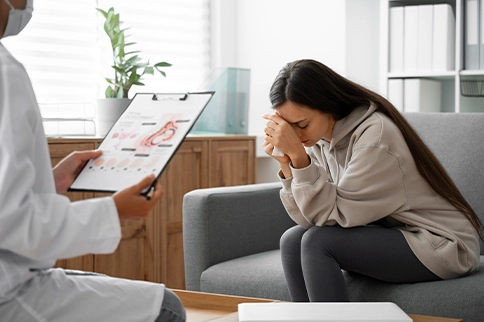
PCOS is a common hormonal condition among women of reproductive age in India, with several Indian studies reporting prevalence rates approaching one in five when broader diagnostic criteria are used. While most discussions focus on irregular periods or weight gain, many women overlook the emotional and psychological impact of the condition. Persistent anxiety, unexplained fatigue, or a quiet drop in self-esteem can also be linked to hormonal imbalance and metabolic changes. Recognising the full range of symptoms is an important first step toward better health.
How Does PCOS Affect Your Hormones and Brain Chemistry?
PCOS affects more than just reproductive hormones. The same hormonal disruptions that drive physical symptoms can also influence brain chemistry and emotional well-being.
- Hormonal Imbalance Impacts Brain Signals
PCOS triggers shifts in estrogen, androgen, and insulin levels that can indirectly influence neurotransmitters like serotonin and dopamine, the brain chemicals responsible for mood, motivation, and emotional balance. To better understand how these hormonal changes show up physically and emotionally, explore the full guide on PCOS symptoms every woman should know here. - Insulin Resistance and Emotional Upsets
Fluctuating insulin levels can affect energy patterns and stress responses, making everyday emotional challenges feel harder to manage and mood swings more intense. - Androgen Excess and Psychological Sensitivity
Elevated androgens not only contribute to physical signs like unwanted hair growth and acne but can also heighten emotional sensitivity and anxious reactions. Know the causes of PCOS for the underlying triggers. - Self-Image Stress and Confidence
Persistent physical symptoms such as acne, hair thinning, or weight changes can weigh on self-esteem and body image, intensifying stress, frustration, and self-criticism. - Stress and Hormonal Feedback Loop
Ongoing stress worsens hormonal imbalance, and hormonal imbalance increases stress, creating a reinforcing loop that affects emotional stability and daily functioning.
Dr's Pro Tip: If you have been diagnosed with PCOS and notice persistent mood changes, do not dismiss them as "just stress." Speak to a homeopathy specialist who understands how hormonal health and emotional wellness are connected. Treating one without the other rarely gives lasting results.
What Are the Common Mental Effects of PCOS in Women?
The effects of PCOS on mental health show up differently for every woman, but certain patterns appear repeatedly.
- Persistent mood swings that feel unpredictable and exhausting
- Anxiety or sudden panic episodes triggered by routine situations
- Poor self-image fuelled by visible symptoms like weight gain, acne, or excess facial hair
- Sleep disturbances, either struggling to fall asleep or waking up feeling unrested
- Depression or deep emotional fatigue that does not lift with rest
- Social withdrawal or isolation from friends, family, and daily activities
What Simple Strategies Help You Cope with PCOS-Related Stress?
Managing PCOS and mental health is not just about medication; daily habits play a powerful role. These practical strategies have helped many women regain a sense of control.
- Move your body regularly. A brisk 30-minute walk releases endorphins that lift mood and support hormone balance.
- Practice deep breathing, meditation, or yoga. These techniques lower cortisol and activate your relaxation response.
- Stick to a consistent sleep schedule. Going to bed and waking up at the same time improves energy and emotional resilience.
- Limit sugar, refined carbohydrates, and processed foods. Blood sugar crashes worsen mood swings and fatigue.
- Join a therapy session or support group. Talking to someone who understands breaks the cycle of isolation.
How Does PCOS Affect Mental Health on a Long-Term Basis?
When left unmanaged, chronic stress feeds back into the hormonal system, raising cortisol levels that further disrupt ovarian function. This is why lifestyle changes are not optional add-ons; they are essential pillars of any treatment plan.
Can Homeopathy Address Both PCOS and Mental Health Together?
Based on current clinical knowledge, these points underline the importance of early detection and proper care.
- Focuses on the Whole Person
Instead of treating acne, irregular periods, or anxiety separately, homeopathy evaluates your complete health picture, including menstrual history, emotional patterns, stress levels, and lifestyle factors. - Targets the Root Hormonal Imbalance
The aim is not just symptom relief but correcting the internal imbalance driving PCOS. When hormonal regulation improves, related concerns often settle gradually. - Supports Emotional and Mental Well-being
Mood swings, anxiety, sleep disturbances, and low confidence are addressed as part of the overall treatment plan, not treated in isolation. - Personalised Remedy Selection
Medicines are selected based on your unique symptom pattern and constitution, ensuring an individualised approach rather than a one-size-fits-all protocol. - Structured, Long-Term Care
Homeopathic treatment for PCOS is designed to support sustained hormonal balance over time. You can explore this comprehensive and personalised approach here:
What Makes Dr Batra's® Approach Different for PCOS Management?
Dr Batra's® has developed a comprehensive system for managing PCOS that goes well beyond prescribing remedies.
Their approach addresses the condition from the inside out.
- Comprehensive PCOS Consultation
A detailed 60-minute consultation to understand your symptoms, cycle history, weight changes, lifestyle, stress levels, and overall health, forming the base of your personalised treatment plan. - Hormonal Evaluation
Review of ultrasound findings, hormone reports, and clinical signs to identify your specific hormonal imbalance pattern. - Personalised Treatment Plan
Targeted homeopathic medicines for PCOS supported by practical diet advice, lifestyle corrections, and stress management for natural hormonal balance. - Ongoing Monitoring
Regular follow-ups, progress tracking, and timely adjustments to ensure consistent and long-term improvement.
This multi-layered approach recognises that PCOS and mental health cannot be treated in isolation. When your treatment plan addresses your body, mind, and daily habits together, recovery becomes more complete and more lasting.
Disclaimer: Self-medication is strongly discouraged. Homeopathic medicines should be taken only under the guidance of a qualified medical practitioner. Remedies are prescribed based on individual symptoms, medical history, and overall health, and may vary from person to person. Results may vary depending on the severity of the condition and individual response to treatment.
Take the first step towards balanced health
Book an AppointmentConclusion
- PCOS affects both hormonal balance and emotional well-being, not just menstrual cycles.
- Hormonal shifts in insulin, estrogen, and androgens can influence mood, stress response, and confidence.
- Mental health symptoms such as anxiety, mood swings, and low self-esteem should never be ignored.
- Lifestyle changes combined with timely medical guidance can significantly improve overall outcomes
- A holistic approach that addresses both the body and the mind offers more sustainable, long-term relief.
Frequently Asked Questions
- How Does PCOS Affect Your Hormones and Brain Chemistry?
- What Are the Common Mental Effects of PCOS in Women?
- What Simple Strategies Help You Cope with PCOS-Related Stress?
- Can Homeopathy Address Both PCOS and Mental Health Together?
- What Makes Dr Batra's® Approach Different for PCOS Management?
- FAQs


More in Hair


Trending Now
Are thyroid and obesity related?
What are the first signs of menopause?
How Homeopathy Supports Natural Hormone
Get Your Personalised Health Treatment Today


Working hours: 10am to 9pm daily.
Have Enquiries?
Leave your details and our hair therapy specialist will respond to your query shortly.