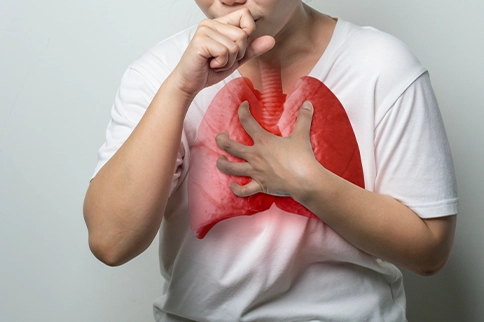
Lung infections are more common than most people realise, and in India, they rank among the leading causes of serious respiratory illness. Whether triggered by bacteria, viruses, or fungi, types of lung infections range from mild and short-lived to severe and life-threatening. Lower respiratory tract infections account for approximately 2.6 to 3 million deaths globally each year, according to global burden of disease estimates reported in the Indian Journal of Medical Research. Knowing the common types of lung infections in adults helps you spot warning signs early and seek care before they worsen.
What Are Lung Infections?
A lung infection occurs when bacteria, viruses, or fungi invade the lungs and trigger inflammation in the airways or lung tissue. The lungs are especially vulnerable during India's monsoon and winter. Numerous bacterial species are known to cause lung infections, with Streptococcus pneumoniae being the most common worldwide. How an infection develops and responds to treatment depends on the type of organism responsible.
Types of Bacterial Lung Infections
Bacteria are among the most common triggers of serious lung disease. Here are four key lung infection types caused by bacteria:
- Pneumonia: Most often caused by Streptococcus pneumoniae, pneumonia fills the air sacs with fluid or pus, making breathing painful. Symptoms include high fever, chest pain, and shortness of breath, and it tends to be severe in the elderly, young children, and immunocompromised individuals.
- Tuberculosis (TB): TB is caused by Mycobacterium tuberculosis and spreads through the air. The WHO Global Tuberculosis Report 2023 confirms that India contributes roughly 27% of global TB cases, making it the highest burden country. Symptoms include a persistent cough lasting more than 2 weeks, night sweats, weight loss, and blood in the sputum.
- Acute Bacterial Bronchitis: Bronchitis is inflammation of the bronchial tubes. The Causes of Bronchitis vary, but bacterial triggers cause acute episodes marked by a productive cough, mild fever, and chest discomfort. Some cases require antibiotic treatment.
- Legionnaires' Disease: Caused by Legionella pneumophila, this severe pneumonia is contracted by inhaling contaminated water droplets from air conditioners or cooling towers. It causes rapid-onset fever, muscle aches, and confusion, mainly in older adults with chronic illness.
Dr Batra's® Pro Tip
Steam inhalation with a few drops of eucalyptus oil can ease breathing during a lung infection, but it is not a substitute for medical care. A cough lasting more than 2 weeks needs prompt evaluation by a homoeopathic doctor. In India, TB is frequently mistaken for a routine cold.
Types of Viral Lung Infections
Viruses drive many of the most widespread lung infections, especially during seasonal outbreaks.
- Influenza (Flu): When seasonal influenza settles into the lungs, it can cause viral pneumonia or progress to a bacterial superinfection. Symptoms include high fever, chills, body aches, and a dry cough. High-risk groups include the elderly, pregnant women, and immunocompromised individuals.
- COVID-19: The SARS-CoV-2 virus causes anything from mild upper respiratory illness to severe bilateral lung damage and acute respiratory distress syndrome (ARDS). COVID-19 demonstrated how rapidly viral lung infections can overwhelm the respiratory system.
- Respiratory Syncytial Virus (RSV): WHO and CDC confirm RSV is a major cause of bronchiolitis and pneumonia in infants. It begins like a common cold but can progress to bronchiolitis or pneumonia, especially in premature babies or children with existing heart or lung conditions.
- Whooping Cough (Pertussis): Whooping cough is caused by Bordetella pertussis and is characterised by intense coughing fits followed by a high-pitched whoop. In infants, it can be life-threatening; early vaccination is the most effective protection.
Types of Fungal Lung Infections
Fungal lung infections are less common but can be serious, especially in people with weakened immune systems.
- Aspergillosis: Caused by the Aspergillus fungus found in soil and dust, aspergillosis is dangerous for people with asthma, TB, or reduced immunity. The fungus can colonise the lungs and form a mass called an aspergilloma, requiring prompt treatment.
- Histoplasmosis: Histoplasmosis results from inhaling spores of the Histoplasma fungus, found in soil enriched with bird or bat droppings. It commonly affects farmers and outdoor workers. Severe cases can mimic pneumonia and cause lasting lung damage.
- Pulmonary Candidiasis: Rare in healthy individuals, pulmonary candidiasis affects immunocompromised patients, those on chemotherapy, transplant recipients, or people with advanced HIV. Candida yeast spreads to the lungs, causing pneumonia-like symptoms that are difficult to diagnose.
- Bronchiolitis: Bronchiolitis targets the tiny airways (bronchioles) and primarily affects infants under 1 year of age, most commonly caused by the Respiratory Syncytial Virus (RSV). Symptoms include wheezing, rapid breathing, and feeding difficulties. Severe cases may need hospitalisation for oxygen support.
Symptoms to Watch Out For
Most warning signs are shared across the common Symptoms of Lung Infections:
- Persistent cough, with or without mucus
- Fever and chills
- Shortness of breath or laboured breathing
- Chest pain or tightness when breathing deeply
- Wheezing or crackling sounds while breathing
- Fatigue and general weakness
People with uncontrolled diabetes are especially prone to recurrent infections, as high blood sugar impairs immunity. If symptoms persist for more than a week or worsen quickly, consult a homeopathic doctor without delay.
Contagion Awareness:
Not all lung infections spread from person to person. Tuberculosis, influenza, COVID-19, RSV, and pertussis are contagious and spread through respiratory droplets. Fungal infections such as aspergillosis and histoplasmosis are acquired from environmental exposure and are not transmitted between individuals.
If symptoms persist for more than a week or worsen quickly, consult a homeopathic doctor without delay.
Lung Infection Treatment: Homeopathy vs Conventional
| Factor | Homeopathy | Conventional (Allopathy) |
| Treatment Approach | Focuses on overall immune balance and individual symptom profile | Focuses on eliminating infection or controlling inflammation |
| Target of Treatment | Aims to address the underlying susceptibility | Targets identified pathogens or disease mechanisms |
| Long-Term Use | Generally considered well tolerated under supervision | May require prolonged medication depending on severity |
| Impact on Immunity | Seeks to support immune regulation | Manages immune response through medication |
| Antibiotic Use | Does not rely on antibiotics | Antibiotics are used when bacterial infection is confirmed |
| Personalisation | Highly individualised prescriptions | Based on clinical guidelines and disease severity |
Homeopathy offers an effective approach to managing recurring lung infections. A homeopathic doctor evaluates your overall health and immune profile, not just your symptoms.
Dr Batra's lung health assessments include spirometer evaluations alongside personalised care for pneumonia, TB, and bronchitis. For practical steps to lower your risk, read 13 Ways to Avoid Lung Infection.
Conclusion
- Lung infections can be broadly classified as bacterial, viral, and fungal, with 12 recognised variants that differ in cause, severity, and progression.
- Each type presents with distinct symptoms such as fever, cough, chest pain, breathlessness, or fatigue, and therefore requires an accurate diagnosis.
- Treatment needs vary depending on the organism involved, the patient’s age, immunity, and overall health status.
- Early recognition of warning signs is critical to prevent complications and hospitalisation.
- Timely medical evaluation helps stop a mild infection from progressing into a serious respiratory condition.
- Homeopathy may be used as a complementary approach under medical supervision, alongside conventional treatment when required.
Frequently Asked Questions
- What Are Lung Infections?
- Types of Bacterial Lung Infections
- Types of Viral Lung Infections
- Types of Fungal Lung Infections
- Symptoms of Lung Infections: When to Seek Help
- Lung Infection Treatment: Homeopathy vs Conventional Care
- How Dr Batra’s® Supports Lung Health
- Prevention Tips to Reduce Lung Infection Risk
- FAQs
- References


More in Hair


Trending Now
Dust Allergy Prevention: Protect Your Health Naturally
Discover why you may be suffering from dust allergy
Breathe Freely: Best Homeopathic Medicine for Dust Allergy Relief
Get Your Personalised Health Treatment Today


Working hours: 10am to 9pm daily.
Have Enquiries?
Leave your details and our hair therapy specialist will respond to your query shortly.