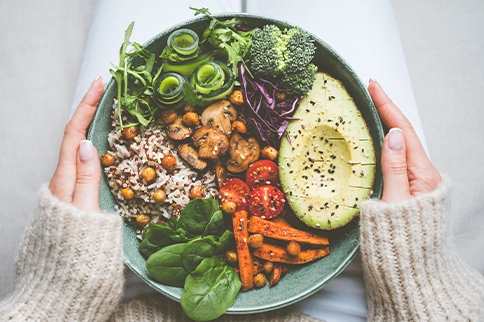
Switching to a plant-based lifestyle often comes from a strong intention to improve health, energy, and overall well-being. But when it comes to thyroid health, many people are left with a simple question: Can a vegan diet support the thyroid, or does it create nutritional gaps that need attention?
Thyroid function is closely linked to nutrients such as iodine, selenium, iron, zinc, and vitamin B12, and dietary choices can affect their intake if not planned carefully. A vegan diet can absolutely be compatible with healthy thyroid function, but it needs structure, balance, and awareness of key nutrients.
How a Plant-Based Diet Affects Your Thyroid
The Importance of Diet in Thyroid Disease is especially critical when your diet excludes animal products. Your thyroid depends on specific nutrients, and several are harder to obtain reliably from plants alone. Iodine, selenium, zinc, iron, and vitamin B12 are most frequently low in people following a vegan thyroid diet without careful planning. Soy and raw cruciferous vegetables contain compounds that can interfere with iodine absorption or hormone conversion; their preparation and quantity matter. Can a vegan diet lead to thyroid problems? Not inherently. But a nutrient-deficient vegan diet may contribute to thyroid imbalance.
Dr's Pro Tip:
Dr Batra's® Pro Tip
If you follow a plant-based diet and are on thyroid medication, have your selenium and iodine levels checked specifically, not just your TSH and T4. These two nutrients directly affect how well your body converts thyroid hormones, and their deficiency often goes undetected until symptoms become noticeably worse.
Nutrients to Focus on for Thyroid Health on a Vegan Diet
Here is what each key nutrient does and where to find it on a vegan plate
| Nutrient | Role in Thyroid Health | Plant-Based Sources |
| Iodine | Essential for the production of thyroid hormones (T3 and T4) | Iodized salt, seaweed (in moderation) |
| Selenium | Protects thyroid cells from oxidative stress and supports hormone activation | Brazil nuts, sunflower seeds, whole grains |
| Zinc | Helps in the conversion of T4 to active T3 and supports immune function | Pumpkin seeds, chickpeas, lentils, nuts |
| Iron | Supports oxygen transport and energy metabolism, linked with thyroid function | Spinach, tofu, legumes, fortified cereals |
| Vitamin B12 | Prevents fatigue, supports nerve function and energy production | Fortified plant milk, nutritional yeast, supplements |
| Protein | Supports hormone transport, metabolism, and tissue repair | Chickpeas, quinoa, almonds, tempeh, soy products |
Get these nutrients assessed through blood tests and address confirmed deficiencies through diet changes, fortified foods, or supplementation.
Pros and Cons of a Vegan Diet for Hypothyroidism
A vegan diet for hypothyroidism is not a one-size answer. It carries genuine benefits alongside real challenges that require active management.
Benefits of a Plant-Based Diet for Thyroid Health
Plant-based diets are rich in antioxidants, which help reduce the chronic inflammation underlying autoimmune thyroid conditions such as Hashimoto's thyroiditis. Whole fruits, vegetables, legumes, and grains support weight management, a common struggle for hypothyroid patients, and dietary fibre promotes gut health increasingly linked to thyroid hormone metabolism.
Challenges to Watch Out For
Iodine and selenium are hardest to obtain adequately from plants without intentional effort. Soy contains isoflavones that may interfere with thyroid function in large amounts or when consumed close to thyroid medication. B12 and iron deficiencies develop gradually and silently, worsening fatigue and cognitive fog that thyroid patients already experience.
Thyroid : Homeopathy vs. Conventional Treatment
| Feature | Homeopathy | Conventional Treatment |
| Approach | Addresses root causes of dysfunction | Focuses on managing hormone levels |
| Side effects | None reported | Possible with prolonged use |
| Medication dependency | Works toward reduction over time | Often required lifelong |
| Personalisation | Tailored to individual constitution | Standardised dosing protocols |
| Associated symptoms | Treated as part of the whole picture | Usually addressed separately |
| Long-term outlook | Aimed at sustained, natural recovery | Maintenance-oriented management |
How Homeopathy Complements Plant-Based Living with Thyroid Conditions
Homeopathy is often used as a supportive approach alongside conventional thyroid care and lifestyle changes. In the context of a plant-based diet, the focus is on understanding the individual as a whole rather than addressing thyroid function in isolation. A qualified homeopathic doctor typically considers multiple factors such as stress levels, sleep quality, digestive health, emotional well-being, medical history, and dietary patterns before forming a treatment plan.
For individuals following a vegan lifestyle, nutritional considerations are also taken into account in the overall assessment. When combined with a well-planned plant-based diet and appropriate medical supervision, homeopathy may form part of a broader, personalised approach to long-term thyroid management.
Disclaimer: Self-medication is strongly discouraged. Homeopathic medicines should be taken only under the guidance of a qualified medical practitioner. Remedies are prescribed based on individual symptoms, medical history, and overall health, and may vary from person to person. Results may vary depending on the severity of the condition and individual response to treatment.
Why Choose Dr Batra's® for Thyroid Care?
Our doctors support your thyroid care at every stage, with regular follow-ups and detailed health assessments that track hormone balance, metabolism, energy levels, and overall well-being. The focus is on steady, safe improvement and long-term stability, without harsh interventions or side effects.
- Comprehensive evaluation
Our consultation goes beyond routine reports. A detailed 40–45-minute assessment helps us understand your medical history, sleep patterns, stress levels, metabolism, mood, weight changes, menstrual health, and lifestyle. This helps identify the real factors contributing to your thyroid imbalance. - Advanced diagnostic review
We carefully analyse your thyroid profile, including TSH, T3, T4, antibody levels, related hormones, and key nutrient markers, along with your symptoms. This helps differentiate between hypothyroidism, hyperthyroidism, autoimmune thyroid conditions like Hashimoto’s, or stress-related hormonal imbalance, creating a clear direction for care. - Personalised care plan
Based on your reports and symptoms, our specialists design a tailored plan that combines homeopathy with guidance on diet, stress management, and lifestyle adjustments. The approach focuses on gently supporting hormonal balance, metabolism, mood, and energy levels. - Ongoing monitoring and refinement
Your progress is closely monitored through follow-ups, symptom tracking, and periodic reviews. Based on the response, your plan is refined at each stage to support consistent improvement and long-term thyroid stability.
To understand the Different Types of Thyroid Problems affecting you, a Dr Batra's® consultation is the starting point.
Tips for a Thyroid-Friendly Vegan Diet
Making plant-based eating work for your thyroid requires deliberate choices:
- Use iodised salt consistently and consider small amounts of dried seaweed a few times a week for additional iodine
- Eat two to three Brazil nuts daily; this alone can meet your selenium needs
- Include zinc-rich foods like pumpkin seeds, lentils, and chickpeas several times a week
- Add fortified plant milk, nutritional yeast, or a B12 supplement before deficiency symptoms appear
- Steam or lightly cook cruciferous vegetables and keep soy moderate, away from thyroid medication
The Hypothyroidism Diet: Foods to Eat and Avoid offers a more detailed breakdown of foods to eat and avoid for an underactive thyroid.
Conclusion
- A vegan thyroid diet can be safe and supportive of thyroid health when it is properly planned and balanced.
- The key factor is ensuring adequate intake of essential nutrients the thyroid depends on, rather than the choice of a plant-based diet itself.
- Nutritional deficiencies, not veganism, are often the reason some people experience thyroid-related imbalances.
- With the right dietary structure, a vegan lifestyle can continue alongside stable thyroid function.
- Support from a qualified homeopathic doctor can help align treatment with individual dietary patterns and overall health needs.
Frequently Asked Questions
- How a Plant-Based Diet Affects Your Thyroid
- Nutrients to Focus on for Thyroid Health on a Vegan Diet
- Pros and Cons of a Vegan Diet for Hypothyroidism
- Homeopathy vs. Conventional Treatment for Thyroid Disorders
- How Homeopathy Complements Plant-Based Living with Thyroid Conditions
- Why Choose Dr Batra’s for Thyroid Care
- Tips for a Thyroid-Friendly Vegan Diet
- Conclusion
- FAQs
- References


More in Hair


Trending Now
Are thyroid and obesity related?
What are the first signs of menopause?
How Homeopathy Supports Natural Hormone
Get Your Personalised Health Treatment Today


Working hours: 10am to 9pm daily.
Have Enquiries?
Leave your details and our hair therapy specialist will respond to your query shortly.