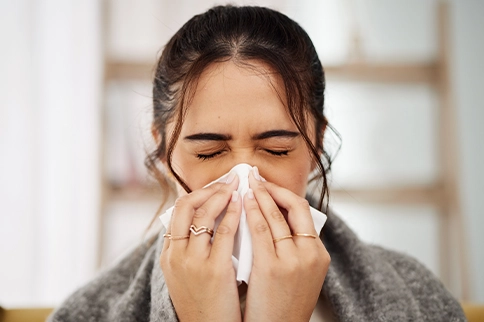
Does air quality affect your allergic rhinitis? If you wake up with a blocked nose, red eyes, or a cough that will not quit, the answer is very likely yes. Poor air quality and allergic rhinitis go hand in hand, and in India's cities, where PM2.5 levels regularly exceed safe limits, the impact is impossible to ignore. Daily exposure to vehicle exhaust, smog, and industrial fumes significantly worsens respiratory conditions.
If your sneezing and congestion reliably flare on heavy smog days, air quality is almost certainly a key driver. This blog covers how air quality affects allergic rhinitis, how to recognise signs of pollution allergy, and why a natural treatment approach can deliver lasting relief. At Dr Batra's®, personalised homeopathy aims to support immune balance and is used in personalised symptom management.
How Pollution Affects Your Allergies
What Triggers Pollution Allergy?
Pollution-related allergies are not caused by bad weather. They occur when your immune system responds to harmful particles suspended in the air you breathe daily. Common triggers include:
- Particulate Matter (PM2.5 and PM10): These ultra-fine dust particles are small enough to penetrate deep into your lungs and enter your bloodstream, causing persistent inflammation and respiratory distress.
- Vehicle emissions: Nitrogen dioxide and carbon monoxide released by traffic inflame the airways, aggravate asthma, and provoke allergic reactions.
- Industrial smoke and smog: Factories release sulfur dioxide and volatile organic compounds that irritate the eyes, nose, and throat.
- Construction dust and open burning: Dust from building sites and smoke from burning agricultural waste carry allergens that worsen respiratory allergies.
- Toxic gases and chemical fumes: Formaldehyde, benzene, and similar compounds found in household cleaners, paints, and factory air can trigger both allergic symptoms and skin irritation.
In metros like Delhi, Mumbai, and Bengaluru, PM2.5 concentrations regularly exceed WHO safety limits, especially during winter, when allergy flare-ups are most severe.
Dr Batra's® Pro Tip
Rinse your nasal passages with saline solution every evening to clear pollutants that settle in the nasal lining throughout the day. Combine this with personalised homeopathic care for long-term allergy relief.
1
Does Air Quality Affect Allergies?
Absolutely. Poor air quality directly influences how often and how severely allergies strike. Air pollution can intensify causes of allergic rhinitis, exacerbate asthma and sinusitis, and even trigger eczema and eye irritation. Children, older people, and anyone with existing sensitivities are particularly at risk.
What research shows?
A study in the RSD Journal reviewed 17 articles (2000–2019) on homeopathy for chronic allergies. Fourteen reported positive outcomes, indicating that homeopathic treatment can effectively reduce long-term allergy symptoms.
Symptoms of Pollution Allergy
Recognising these allergy signs early makes a real difference. Here is what to watch for:
- Sudden or repeated sneezing fits and nasal congestion
- Itchy or constantly watering eyes
- A persistent dry cough that lingers even indoors
- Shortness of breath or episodes of wheezing
- Unexplained fatigue or recurring headaches
- Skin rashes or itching, particularly on the face and neck
- Frequent irritation or soreness in the throat
When these symptoms recur reliably on high-AQI days or after stepping out into heavy smog, it is a clear sign that your body is reacting to environmental pollutants rather than to a seasonal virus.
Understanding the distinction between allergic and non-allergic rhinitis is also important, as the two conditions overlap in presentation but differ in cause and management.
Tips to Manage or Prevent Pollution Allergy
Reducing trigger exposure is the most practical first step toward controlling these symptoms. A few consistent habits go a long way:
- Wear an N95 or anti-pollution mask outdoors, especially during high-traffic or construction-heavy periods.
- Install air purifiers at home to filter particulate matter and keep indoor air cleaner.
- Avoid peak pollution hours, typically early morning and late evening in urban areas.
- Practice steam inhalation and drink warm fluids to soothe irritated airways and ease congestion
- Rinse your face and eyes after coming indoors to clear surface pollutants.
- Stay well-hydrated to help your body naturally eliminate toxins
For day-to-day nasal allergy management, these Tips to Manage Allergic Rhinitis offer practical guidance alongside medical care.
Homeopathy for Pollution Allergy – A Natural Approach
Homeopathy works at a deeper level, addressing why your body reacts the way it does, not just the surface symptoms. At Dr Batra's®, treatment for pollution allergies centres on four principles:
- Boosting Immunity:Remedies strengthen your natural defences, making you less reactive to airborne allergens over time.
- Reducing Sensitivity: Sustained treatment lowers your body's tendency to overreact to pollutants, resulting in fewer flare-ups.
- No Side Effects: Unlike antihistamines, which can cause drowsiness or dependence, homoeopathic medicines are safe for long-term use.
- Personalised Remedies: Each treatment plan is tailored to your symptom pattern, lifestyle, stress levels, and genetic background.
Dr Batra's® homeopathic doctors use AI-assisted analysis to pinpoint the root cause of your allergy, ensuring treatment that is both precise and natural.
How Dr Batra's® Helps You Manage Pollution Allergies
At Dr Batra's®, the focus is always on the person, not just the condition. Here’s why we are different:
- Personalised care: Treatment combines customised homeopathic medicines with dietary and lifestyle guidance for holistic allergy management.
- Expert homeopathy: Over 40 years of experience backs every treatment decision — safe, effective, and evidence-informed.
- Comprehensive approach: Environmental triggers, weakened immunity, and stress are all addressed together, never in isolation.
- High success rate: Many patients across India have found lasting relief from respiratory and skin-related allergies caused by pollution.
- Convenience: Telehealth appointments let you consult a homeopathic doctor from home, making consistent care simple and accessible.
Disclaimer: Self-medication is strongly discouraged. Homeopathic medicines should be taken only under the guidance of a qualified medical practitioner. Remedies are prescribed based on individual symptoms, medical history, and overall health, and may vary from person to person. Results may vary depending on the severity of the condition and individual response to treatment.
Homeopathy vs Conventional Treatment for Pollution Allergy
| Treatment Feature | Homeopathy at Dr Batra’s® | Conventional Allopathy |
| Addresses the root cause of pollution-related allergies | Yes | No (symptom-focused) |
| Side effects | Minimal to none | May include drowsiness or dependency |
| Long-term relief | Yes, aims to reduce recurrence | Limited, mainly symptom control |
| Personalised treatment based on triggers | Yes | Generally standardised |
| Suitable for long-term use | Yes | Often limited due to side effects |
Conclusion
- Poor air quality is an increasing concern, especially in Indian cities where pollution exposure is frequent and prolonged
- Pollution allergy symptoms often appear early and can affect daily life in multiple ways
- Common signs include sneezing, skin irritation or rashes, breathlessness, watery eyes, and general fatigue
- Early recognition of these symptoms helps in taking timely steps to prevent worsening of the condition
- Homeopathic care at Dr Batra’s® focuses on personalised treatment for pollution-related allergies
- The approach aims to support natural recovery and improve quality of life without side effects
Frequently Asked Questions
- What Is Allergic Rhinitis
- Types of Allergic Rhinitis
- Seasonal Allergic Rhinitis
- Perennial Allergic Rhinitis
- Occupational Allergic Rhinitis
- Genetics and Lifestyle Factors in Allergic Rhinitis
- How Homeopathy Helps in Allergic Rhinitis
- Allergic Rhinitis Treatment: Homeopathy vs Conventional
- Tips to Manage Allergic Rhinitis
- How Dr Batra’s® Treats Allergic Rhinitis Naturally
- Allergic Rhinitis vs Non-Allergic Rhinitis
- FAQs
- References


More in Hair



Trending Now
Tired of taking allergy shots? Now, take homeopathy for effective results
Things to keep in mind to prevent an allergic reaction
10 Effective Home Remedies for Sinusitis
Get Your Personalised Health Treatment Today


Working hours: 10am to 9pm daily.
Have Enquiries?
Leave your details and our hair therapy specialist will respond to your query shortly.