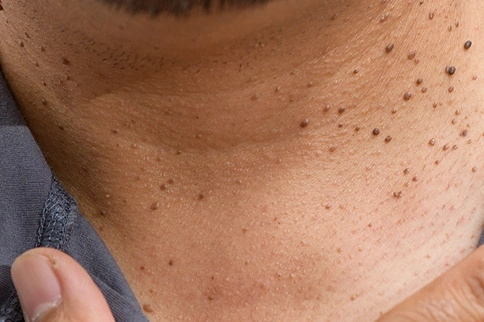
Have you ever noticed a tiny, soft flap of skin hanging from your neck, armpit, or eyelid? These harmless yet bothersome growths, known as skin tags, affect millions of people worldwide. While skin tags are not dangerous, understanding why they form can help you prevent new ones and choose the most appropriate treatment. Learn about other common skin conditions here. In this comprehensive guide, we explore why these growths develop, the different types, and how holistic approaches, including homoeopathy, can help you achieve radiant, clear-looking skin.
Why Do You Get Skin Tags?
Skin tags, medically called acrochordons, are small, benign growths that commonly appear where skin rubs against skin or clothing. They consist of collagen and blood vessels covered by skin and become more frequent after age 40. Friction is the main cause, affecting areas such as the neck, armpits, groin, under the breasts, and eyelids, but other factors, such as genetics, hormones, and metabolic conditions, can also contribute to their development.
Key Causes Behind Skin Tag Formation
Understanding why skin tags develop involves looking at a combination of internal and external triggers:
- Friction & skin rubbing: Repeated irritation from skin-on-skin contact or tight clothing, common in body folds.
- Obesity & excess weight: More skin folds create extra friction, increasing the risk of multiple tags.
- Hormonal changes: Pregnancy, menopause, or PCOS can trigger growth due to elevated oestrogen and progesterone.
- Genetics: Family history raises the likelihood of developing skin tags.
- Insulin resistance & diabetes: Often an early external sign of metabolic imbalance.
- Ageing: Reduced skin elasticity increases the likelihood of growths in friction-prone areas.
- HPV infection: Some studies have detected HPV DNA in skin tags, suggesting a possible viral link in certain cases.
Types of Skin Tags You Should Know
Not all skin tags look the same. Recognising the different types of skin tags helps you distinguish them from other growths such as skin warts or moles. Learn more about warts here.
- Filiform skin tags: Narrow, elongated growths on a thin stalk, usually on the face, neck, or eyelids. Small, flesh-coloured, and a few millimetres in size.
- Pedunculated skin tags: Broader-based tags hanging from a stalk, common in armpits, groin, and under the breasts. Slightly larger and can become irritated or twisted.
Both types are benign and pose no health risk on their own. However, if a skin tag changes colour, grows rapidly, or bleeds without contact, it is advisable to have it examined by a medical professional to rule out other conditions.
Dr Batra's® Pro Tip
Never attempt to cut, tie off, or burn a skin tag at home. DIY removal methods carry a high risk of infection, excessive bleeding, and scarring. Always consult a qualified practitioner for safe removal, especially for tags near the eyes or in sensitive areas.
Conventional Skin Tag Treatment Methods
If skin tags cause discomfort or cosmetic concern, conventional removal options include:
- Cryotherapy: Freezes the tag with liquid nitrogen for quick removal.
- Cauterisation: Burns the tag with electric current, sealing the wound.
- Surgical excision: Cuts off larger tags for immediate results.
- Ligation: Ties off the base to cut off the blood supply, allowing it to fall off.
While these methods remove existing tags, they don’t prevent new ones from forming. Homeopathy, on the other hand, addresses the root causes, helping prevent new growths and supporting overall skin and immune health.
How Homeopathy Addresses Skin Tags From Within
Homeopathy treats the cause, not just the visible growths, for safer, lasting results.
- Root-cause focus: Treats the internal imbalances—metabolic, hormonal, and immune factors—behind skin tag formation.
- Personalised care: Evaluation of health history, family background, and symptoms to create a tailored plan.
- Targeted remedies: Common options include Thuja occidentalis, Calcarea carbonica, and Dulcamara, chosen per individual constitution.
- Non-invasive treatment: No surgical pain, scarring, or chemical side effects.
- Long-term benefits: reduce recurrence, improve skin health, and address metabolic issues such as insulin resistance.
Prevention Tips to Reduce New Skin Tags
While you cannot eliminate the risk, these practical steps can help minimise new skin tag formation:
- Maintain a healthy weight through balanced nutrition and regular exercise to reduce skin folds and friction areas.
- Wear loose, breathable clothing that minimises rubbing in common tag-prone zones.
- Keep skin folds clean and dry to reduce irritation and bacterial buildup.
- Monitor blood sugar levels regularly, especially if you have a family history of diabetes or insulin resistance.
- Support hormonal balance through a nutrient-rich diet, stress management, and adequate sleep. Discover how your psyche affects skin health here.
- Apply a gentle moisturiser to friction-prone areas to reduce skin-on-skin irritation.
Disclaimer:
Self-medication is strongly discouraged. Homeopathic medicines should be taken only under the guidance of a qualified medical practitioner. Remedies are prescribed based on individual symptoms, medical history, and overall health, and may vary from person to person. Depending on the severity of the condition and the individual's response to treatment, results may vary.
Start Your Healing Journey with Safe Homeopathy
Book an AppointmentConclusion
- Common but bothersome: Skin tags are harmless but can be frustrating or self-conscious, especially in visible or sensitive areas.
- Addressing the cause: Understanding internal factors behind their growth helps reduce recurrence.
- Lasting results: Dr Batra's personalised homeopathic care goes beyond surface-level removal.
- Take action: Schedule a consultation to start improving skin health and preventing new growths.
Frequently Asked Questions


More in Hair
Trending Now
How to Reduce Acne Scars Naturally and Effectively
10 most common skin disorders
Remedy for itchy skin at night
Get Your Personalised Health Treatment Today


Working hours: 10am to 9pm daily.
Have Enquiries?
Leave your details and our hair therapy specialist will respond to your query shortly.