
Bronchitis can really wear you out and make you feel like you cannot even breathe properly, let alone do simple household tasks. That is why you must consider whether working out while you have bronchitis will help you recover faster or only stress your lungs further. The response is not straightforward. It really depends on the type of bronchitis you have, the severity of your symptoms, and your daily response to the condition. Although light exercise generally promotes blood circulation and breathing, heavy exercise may aggravate inflammation and hinder healing. It is quite a big deal to understand when it is good for you to exercise, when it is necessary to rest, and how to safely listen to your body before you put on your running shoes.
What Is Bronchitis?
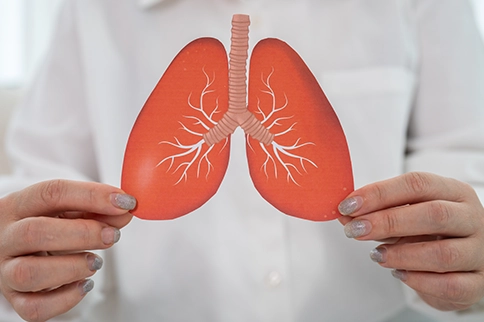
Bronchitis is the inflammation of the bronchial tubes, the airways that carry air in and out of your lungs. When these tubes become irritated, usually due to a viral or bacterial infection, they swell and produce excess mucus, making breathing noticeably harder.
The condition takes two forms: acute bronchitis, which typically resolves within a few weeks, and chronic bronchitis, which is a longer-term condition requiring ongoing management. According to the Indian Chest Society, acute bronchitis is common worldwide, affecting millions each year, with cases increasing during winter and high-pollution periods. Understanding the Causes of Bronchitis can help you manage it more effectively from the start.
Can You Exercise with Acute Bronchitis?
The answer to whether you can exercise with acute bronchitis is not a flat no, but it requires careful judgment. Many homeopathic doctors use a practical rule of thumb based on where your symptoms are.
If your symptoms are above the neck, a mild sore throat, a little sniffling, or a light cough, gentle movement may be tolerable. But if you are experiencing symptoms below the neck, such as chest tightness, wheezing, laboured breathing, or deep fatigue, your body is clearly telling you to rest. Exercising with bronchitis in this state risks prolonging your illness and overworking your lungs, which are already under strain.
The Symptoms of Bronchitis can range from mild to severe, and recognising where you fall on that spectrum is the first step before attempting any physical activity.
Benefits of Light Movement
When symptoms are manageable, very gentle activity can actually support recovery. Exercising with bronchitis at a low intensity, such as slow walking, light stretching, or restorative yoga, may help promote lung expansion, prevent stiffness from lying in bed too long, and keep circulation moving.
Movement also has a positive effect on mood, which matters when you are dealing with weeks of coughing and fatigue. Staying hydrated throughout any light session is non-negotiable, as fluids help thin and clear mucus from the airways. If outdoor air quality is poor due to pollution or seasonal factors, it is far better to move indoors with a window open than to go outside.
Exercises to Avoid During Bronchitis
Not all movement is helpful when your lungs are inflamed. Several activities are genuinely counterproductive during bronchitis:
- High-intensity cardio — Running, spinning, aerobics classes, and similar workouts push your respiratory system far beyond what it can handle safely during bronchitis
- Heavy weightlifting — Straining during lifts restricts breathing and adds unnecessary pressure on already-inflamed airways
- Outdoor exercise during pollution peaks — Inhaling pollutants or cold, dry air can aggravate bronchial inflammation significantly
- Any activity that causes breathlessness or dizziness — These are clear signals that your body cannot sustain the effort
Dr Batra's® Pro Tip
Overexertion during bronchitis may delay recovery and, in vulnerable individuals, increase the risk of respiratory complications. Allow your lungs adequate time to heal before returning to full intensity.
Signs You Should Rest Instead
There are specific warning signs that mean you should step back from any exercise entirely until things improve:
- A persistent or deep cough that worsens with movement
- Wheezing or noticeable tightness across the chest
- A high fever, even if it comes and goes
- Breathlessness at rest, without any physical effort
- Feeling exhausted after the smallest tasks
If you are dealing with Chronic Bronchitis in the Elderly, these thresholds apply even more strictly. Chronic bronchitis is part of COPD and requires ongoing medical supervision.
How Homeopathy Can Help Treat Bronchitis
By addressing the root triggers, homeopathy aims to provide both relief and lasting protection.
- Treats the Root Cause, Not Just Symptoms
Homeopathy looks beyond surface symptoms and focuses on identifying the underlying triggers causing bronchial inflammation, whether viral, allergic, environmental, or immunity-related. - Helps Relieve Persistent Cough and Wheezing
Carefully selected remedies aim to calm irritated airways, reduce the intensity and frequency of coughing, and ease breathing discomfort. - Reduces Airway Congestion and Inflammation
Treatment helps loosen mucus buildup and soothe inflamed bronchial tubes, improving airflow naturally. - Strengthens Lung Immunity Over Time
Beyond immediate relief, homeopathy focuses on improving the respiratory system’s resilience, making it less reactive to seasonal changes and common triggers. - Safe for All Age Groups
Homeopathic treatment is generally considered gentle and suitable for children, adults, and the elderly when prescribed by a qualified practitioner - Minimal Risk of Long-Term Side Effects
Unlike prolonged use of certain conventional medications, homeopathy is not associated with dependency or long-term systemic side effects when properly supervised.
Disclaimer: Self-medication is discouraged. Homeopathic medicines should be taken only under the supervision of a qualified medical practitioner. Results vary based on individual responses and the severity of the condition.
Bronchitis Treatment: Homeopathy vs. Conventional (Allopathy)
| Feature | Homeopathy | Conventional (Allopathy) |
| Addresses root cause | Focuses on identifying and treating underlying triggers | Primarily manages symptoms like cough and inflammation |
| Risk of long-term side effects | Generally minimal when prescribed properly | Possible with prolonged use of certain medications |
| Aims to support immune balance | Aims to strengthen respiratory resilience over time | Limited emphasis on long-term immune strengthening |
| Safe for all age groups | Typically suitable across age groups under supervision | May require caution in children, the elderly, or those with comorbidities |
| Prevents recurrence | May help reduce recurrence when part of a personalised treatment plan | Depends on trigger control and medication management |
Homeopathic doctors take into account the full picture of a patient's health, including their lifestyle, triggers, and medical history, before recommending a treatment path.
Conclusion
- Exercise isn’t completely restricted, but only if your symptoms are mild and stable.
- Pay close attention to warning signs such as shortness of breath, chest tightness, or fever, as these indicate rest should come first.
- Gentle activities such as slow walking or light stretching may support circulation and breathing during recovery.
- Strenuous workouts can worsen airway inflammation and delay healing.
- A homeopathic approach focuses on calming bronchial inflammation and improving long-term respiratory function, rather than just suppressing symptoms.
Frequently Asked Questions
- What Is Bronchitis?
- Types of Bronchitis: Acute vs Chronic
- Can You Exercise with Bronchitis?
- When Is Light Exercise Safe?
- Exercises to Avoid During Bronchitis
- Warning Signs That Mean You Should Rest
- How Homeopathy Can Help in Bronchitis
- Bronchitis Treatment: Homeopathy vs Conventional Care
- FAQs
- References


More in Hair

Trending Now
Dust Allergy Prevention: Protect Your Health Naturally
Discover why you may be suffering from dust allergy
Breathe Freely: Best Homeopathic Medicine for Dust Allergy Relief
Get Your Personalised Health Treatment Today


Working hours: 10am to 9pm daily.
Have Enquiries?
Leave your details and our hair therapy specialist will respond to your query shortly.