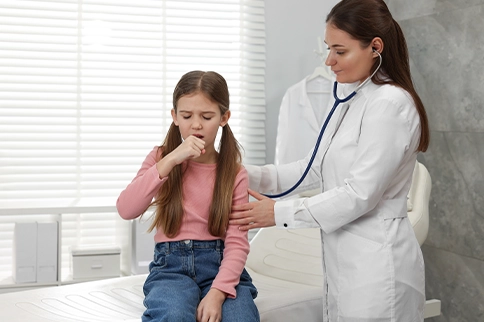
Bronchitis in children is more common than many parents realise, particularly in urban areas where pollution, seasonal infections, and changing weather put extra stress on young lungs. What may begin as a simple cold can quickly turn into a persistent, chesty cough that lingers for days or even weeks. Bronchitis occurs when the bronchial tubes become inflamed, leading to excess mucus, breathing discomfort, and fatigue. Recognising the early signs of bronchitis in children allows parents to respond quickly, prevent complications, and choose a treatment approach that supports both recovery and long-term respiratory health.
What Happens When a Child Gets Bronchitis?
The first step toward timely care is knowing what to look for. When inflammation sets in, this lining swells and produces excess mucus, narrowing the airway and triggering a persistent cough. Chest tightness, wheezing, shortness of breath, fatigue, and mild fever follow. Bronchitis can be acute, typically viral and short-lived, or chronic, in which repeated exposure to allergens or pollution keeps the condition cycling.
What Causes Bronchitis in Children?
Several factors can trigger bronchitis in children:
- Colds and influenza are viral infections
- Bacterial infections (less common than viral)
- Air pollutants, dust, and smog
- Passive smoking and indoor cooking fumes
- Allergies to pollen, mould, or animal dander
Because children's immune systems are still maturing, a single infection can progress quickly without timely care.
How Does India's Environment Make It Worse?
Cities like Delhi, Mumbai, and Kolkata regularly record air quality levels well beyond safe limits. The Central Pollution Control Board (2023) reports that air pollution increases the risk of respiratory illness in children by 20–30% during winter. Dust, vehicular smog, and post-monsoon dampness irritate the bronchial lining, turning a mild cough into full-blown bronchitis. For children already prone to 12 Types Of Lung Infections, India's seasonal patterns pose a genuine concern for recurring flare-ups.
What Are the Symptoms of Bronchitis in Kids?
Spotting the Symptoms of Bronchitis in kids early allows for faster recovery. The hallmark sign is a persistent cough, sometimes producing yellow or greenish mucus. Other signs include:
- Wheezing or a high-pitched sound when breathing
- Chest tightness or heaviness
- Mild fever in the early stages
- Breathlessness after light activity
- Fatigue and disturbed sleep from nighttime coughing
The Indian Council of Medical Research reports that nearly 15% of children under 10 in urban India experience recurring respiratory infections. Learn More About Bronchitis And Its Types to see whether your child's cough fits a deeper pattern.
What Are the Symptoms of Bronchitis in Toddlers?
Bronchitis in toddlers can present with symptoms that look different from those of older children. Toddlers have narrower airways and underdeveloped immune systems, making them more vulnerable to quick deterioration. Parents should watch for:
- A barking or harsh cough that worsens at night
- Noisy, laboured breathing or visible chest movement during each breath
- Loss of appetite and refusal to feed
- Unusual crankiness, crying, or restlessness
- Low-grade fever that lingers beyond a day or two
These bronchitis in toddlers symptoms can escalate quickly; do not dismiss them as a routine cold. Early assessment by a homeopathic doctor helps identify how deeply the airways are affected.
Home Care Tips for Children with Bronchitis
While professional treatment remains essential, supportive home care can ease a child's discomfort significantly:
- Offer warm fluids like clear soups and herbal teas to loosen mucus
- Supervise steam inhalation to open congested airways
- Keep the child's head slightly elevated during sleep to ease breathing
- Encourage balloon-blowing exercises to gently strengthen the lungs
- Use a humidifier in the bedroom and add honey to warm water for children over one year
- Avoid dust, cold air, and cigarette smoke at all times
- Serve light, nutritious meals and ensure adequate rest
- Skip junk food and artificially flavoured snacks, which can worsen mucus production
- Maintain hygiene — viral bronchitis spreads through coughing and shared objects
Dr Batra's® Pro Tip
Keep a coughing diary, note the time of day, triggers, and episode duration. This pattern often reveals whether bronchitis is linked to allergens, weather, or infection, giving the homeopathic doctor valuable insight for personalising treatment.
How Does Homeopathy Treat Bronchitis in Children?
Conventional medicines like cough suppressants and antibiotics address immediate symptoms. Homeopathy takes a different approach, strengthening the child's immune response while treating the underlying cause of recurring infections.
| Feature | Homeopathy | Conventional Treatment |
| Treats the root cause | Focuses on identifying and addressing underlying triggers | Primarily manages symptoms |
| Safe for long-term use | Generally considered suitable under medical supervision | Long-term use may require monitoring due to potential side effects |
| Provides relief | Aims to reduce cough, inflammation, and discomfort | Provides symptomatic relief through medication |
| Boosts immunity | Seeks to support overall immune balance | Limited focus on immune strengthening |
| Risk of side effects | Typically minimal when prescribed appropriately | Possible side effects depend on the medication and duration |
| Prevents recurrence | May help reduce recurrence with personalised care | Depends on trigger control and ongoing management |
Remedies are selected based on each child's individual symptom picture. Commonly used medicines include:
- Antimonium Tartaricum: For a wet, rattling cough with excessive mucus in toddlers
- Bryonia Alba: For a dry, painful cough that worsens with movement
- Spongia Tosta: For a barking, croup-like cough worse at night
Visit Symptoms of Bronchitis to see how specific symptom patterns guide remedy selection.
Disclaimer: Self-medication is discouraged. Homeopathic medicines should be taken only under the supervision of a qualified medical practitioner. Results vary based on individual responses and the severity of the condition.
Can Bronchitis Lead to Asthma in Children?
Many children with repeated bronchitis later develop bronchial asthma. Both conditions share triggers, emotional stress, genetic predisposition, environmental allergens, and weakened immunity. Homeopathy addresses all of these together, making it a strong choice for children in a recurring respiratory cycle.
A case in Dr Batra's® Cured Cases Coffee Table Book (Vol 2) features a Vadodara boy dependent on antihistamines for months. After a personalised homeopathic plan backed by pulmonary function testing, he remained symptom-free for 11 consecutive months. Dr Batra's® homoeopathic doctors use spirometry assessments and clinical progress tracking to ensure each child's care is evidence-based and personalised.
Conclusion
- Bronchitis in children should be managed beyond temporary symptom relief, with focus on identifying and addressing underlying triggers.
- Early intervention helps reduce the risk of repeated episodes and long-term respiratory sensitivity.
- Homeopathy aims to work with a child’s natural immunity rather than simply suppressing symptoms.
- Treatment is generally considered gentle when prescribed under qualified supervision.
- With timely care and consistent monitoring, most children recover well and can build stronger respiratory resilience over time.
Frequently Asked Questions
- What Happens When a Child Gets Bronchitis?
- What Causes Bronchitis in Children?
- How Does Air Pollution in India Affect Childhood Bronchitis?
- Symptoms of Bronchitis in Children
- Symptoms of Bronchitis in Toddlers
- Home Care Tips for Children with Bronchitis
- How Homeopathy Approaches Bronchitis in Children
- Can Recurrent Bronchitis Increase Asthma Risk?
- FAQs
- References


More in Hair

Trending Now
Dust Allergy Prevention: Protect Your Health Naturally
Discover why you may be suffering from dust allergy
Breathe Freely: Best Homeopathic Medicine for Dust Allergy Relief
Get Your Personalised Health Treatment Today


Working hours: 10am to 9pm daily.
Have Enquiries?
Leave your details and our hair therapy specialist will respond to your query shortly.