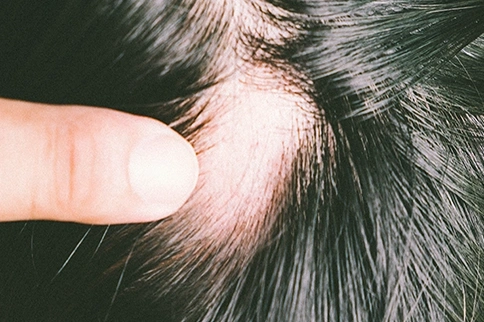
Have you noticed small, round patches of hair loss appearing suddenly on your scalp or beard area? Such hair loss may be linked to alopecia areata, an autoimmune condition that affects hair follicles and interrupts the natural hair growth cycle.
Many individuals experiencing patchy hair loss begin searching for natural remedies that may support hair regrowth. One commonly discussed option is castor oil for alopecia areata, which is widely used in traditional hair care routines due to its nourishing and moisturising properties.
While some people use castor oil for hair loss as part of their scalp care routine, understanding its benefits and limitations is important. Identifying the underlying causes of hair loss and seeking appropriate hair fall treatment can help improve long-term hair health.
What is Alopecia Areata?
Alopecia areata is an autoimmune disorder that causes sudden hair loss in small, round patches. In this condition, the immune system mistakenly attacks healthy hair follicles, disrupting the hair growth cycle and causing hair to fall out.
Hair loss caused by alopecia areata most often appears on the scalp, but it may also affect the beard, eyebrows, eyelashes, or other parts of the body.
Common signs may include:
- Sudden appearance of round bald patches
- Smooth areas of hair loss on the scalp
- Increased hair shedding near affected areas
- Weak or fragile hair around the bald patches
Early identification of symptoms and timely Hair Loss Treatment may help manage the condition more effectively.
Types of Alopecia Areata
Alopecia areata may occur in different patterns depending on the extent of hair follicle involvement.
Patchy Alopecia Areata
This is the most common type, in which hair loss appears as small, circular patches on the scalp.
Alopecia Totalis
This condition involves complete hair loss across the scalp.
Alopecia Universalis
A rare form of the condition in which hair loss occurs across the entire body, including eyebrows and eyelashes.
Understanding the type of alopecia areata helps determine the most appropriate management approach.
How Castor Oil Helps in Treating Alopecia Areata?
Castor oil has long been used as a natural hair-care ingredient for its thick consistency and nutrient-rich composition. Many individuals apply castor oil for baldness or thinning hair in the hope that it may support hair regrowth.
The oil contains fatty acids that help moisturise the scalp and strengthen hair strands. While it may contribute to better scalp care, alopecia areata is an autoimmune condition that often requires medical evaluation.
Is Castor Oil an Effective Hair Oil for Alopecia Areata Treatment at Home?
Some individuals explore natural remedies for alopecia areata to support scalp care at home. Castor oil may help improve scalp hydration and reduce dryness that can weaken hair strands.
However, natural oils generally support hair conditioning rather than directly treating immune-related hair loss.
Does Castor Oil Help Promote Hair Growth?
One of the commonly discussed castor oil benefits for hair growth is its high concentration of ricinoleic acid. This fatty acid may help improve scalp circulation and support a healthier environment for hair follicles.
Although better scalp circulation may support hair health, there is limited scientific evidence confirming that castor oil directly stimulates hair regrowth.
Step-by-Step Guide on How to Apply Castor Oil
Individuals who wish to use castor oil in their hair care routine can follow these steps:
- Warm a small amount of castor oil between your palms.
- Apply the oil gently to the scalp, focusing on thinning or affected areas.
- Massage the scalp lightly for a few minutes.
- Leave the oil on for about 30–60 minutes.
- Wash thoroughly using a mild shampoo.
Regular application may help improve scalp moisture and hair texture.
Benefits of Castor Oil for Alopecia Areata
Although castor oil may not cure alopecia areata, it can offer supportive benefits for scalp and hair care.
Promotes Hair Growth
Castor oil contains fatty acids that may support scalp circulation. Better blood flow can help deliver nutrients to hair follicles and support healthier hair growth conditions.
Nourishes and Moisturises Hair
One of the key castor oil benefits for hair growth is its ability to deeply hydrate hair strands and the scalp. This may help reduce dryness and improve overall hair texture.
Reduces Scalp Inflammation
Castor oil may have mild anti-inflammatory properties that help soothe scalp irritation. A healthier scalp environment can support stronger hair growth.
Scientific Evidence: Does Castor Oil Really Work for Hair Regrowth?
Despite its popularity in natural hair care routines, scientific evidence supporting castor oil for baldness or alopecia areata remains limited.
Most research highlights castor oil's moisturising and conditioning benefits rather than its ability to stimulate hair follicles.
Since alopecia areata is an autoimmune disorder, managing the immune response is often necessary for effective hair regrowth.
What Else Should I Know About the Benefits of Castor Oil for Alopecia Areata?
While castor oil may support scalp health and hair conditioning, it should generally be viewed as a complementary hair care practice rather than a primary treatment.
People experiencing ongoing hair loss may benefit from professional options such as homeopathic treatment for alopecia, which focuses on addressing internal factors affecting hair health.
Myths vs. Facts About Castor Oil for Baldness
Myth: Castor oil can permanently cure baldness.
Fact: There is no scientific evidence confirming that castor oil cures baldness.
Myth: Applying castor oil regrows hair instantly.
Fact: Hair regrowth depends on the underlying cause and follicle health.
Myth: Natural oils alone can treat alopecia areata.
Fact: Medical treatment is often necessary to manage autoimmune hair loss.
Causes of Alopecia Areata and Hair Loss
Hair loss associated with alopecia areata may be influenced by several biological factors.
Genetic Propensity
Individuals with a family history of autoimmune conditions may have a higher risk of developing alopecia areata.
Hormonal Imbalance
Hormonal changes can influence the hair growth cycle and contribute to hair thinning in certain individuals.
Nutritional Deficiencies
Nutrient deficiencies, such as iron, zinc, vitamin D, and protein, may weaken hair follicles and contribute to hair shedding.
Effective Medicines for Alopecia Areata Treatment
Managing alopecia areata often requires medical guidance to address the underlying immune-related causes.
Choose Homeopathy for Alopecia Areata
Many individuals consider homeopathic treatment for alopecia because it focuses on identifying internal imbalances affecting hair follicles.
The treatment approach may aim to:
- Improve scalp health
- Support immune balance
- Strengthen weakened hair follicles
- Encourage natural hair regrowth
Vitamin and Mineral Supplements for Hair Health
Doctors may recommend supplements that support healthy hair growth, including:
- Iron
- Zinc
- Vitamin D
- Biotin
These nutrients help maintain stronger hair follicles.
Over-the-Counter Solutions for Alopecia Areata
Some individuals may consider topical solutions or medicated treatments that support hair regrowth. These options should ideally be used under professional guidance.
Use of Castor Oil: Risks and Restrictions
Although castor oil is widely used in hair care routines, it may not be suitable for everyone.
Possible concerns include:
- Scalp irritation in sensitive individuals
- Allergic reactions in rare cases
- Difficulty washing out due to its thick consistency
Performing a patch test before applying castor oil to the scalp may help reduce the risk of irritation.
Prevention and Hair Care Tips for Alopecia Areata
Adopting healthy hair-care habits can support scalp health and protect fragile hair.
Best Hair Care Routine for Alopecia Patients
Individuals experiencing alopecia areata may benefit from:
- Using mild sulfate-free shampoos
- Avoiding excessive heat styling
- Reducing tight hairstyles that pull on the scalp
- Maintaining regular scalp care routines
Foods That Prevent Hair Loss and Strengthen Follicles
A balanced diet may help support stronger hair growth. Examples include:
- Leafy green vegetables
- Eggs and lean proteins
- Nuts and seeds
- Whole grains and fruits
Avoiding Chemical-Based Hair Products
Frequent use of chemical treatments such as colouring, straightening, or perming may weaken hair strands and irritate the scalp. Choosing gentle hair products can help protect fragile hair.
Treat alopecia areata effectively with Dr Batra’s® homeopathy
Book an AppointmentConclusion
Castor oil is commonly used in natural hair care routines for its moisturising and conditioning properties. While castor oil for alopecia areata may help nourish the scalp and improve hair texture, it is not considered a medical treatment for autoimmune hair loss.
- Castor oil may support scalp hydration and hair conditioning
- Scientific evidence for hair regrowth benefits remains limited
- Alopecia areata often requires medical evaluation
- Early diagnosis and appropriate Hair Loss Treatment may improve outcomes
Combining healthy hair care practices with professional guidance can help individuals manage alopecia areata more effectively.
Sources
Frequently Asked Questions
- FAQs
- What is Alopecia Areata?
- Types of Alopecia Areata
- How Castor Oil Helps in Treating Alopecia Areata?
- Benefits of Castor Oil for Alopecia Areata
- Scientific Evidence: Does Castor Oil Really Work for Hair Regrowth?
- Causes of Alopecia Areata and Hair Loss
- Effective Medicines for Alopecia Areata Treatment
- Use of Castor Oil: Risks and Restrictions
- Prevention and Hair Care Tips for Alopecia Areata
- Conclusion – Would We Recommend Castor Oil For Hair Regrowth?
- FAQs on Castor Oil for Alopecia Areata


More in Hair
Trending Now
Types of Hair Loss: Understanding Different Hair Loss Conditions
Symptoms of Male Pattern Baldness & Early Signs of Hair Loss
Causes of Male Pattern Baldness: Why Hair Loss Happens in Men
Get Your Personalised Health Treatment Today


Working hours: 10am to 9pm daily.
Have Enquiries?
Leave your details and our hair therapy specialist will respond to your query shortly.