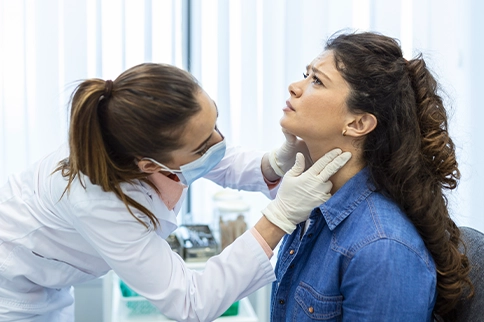
Thyroid cancer originates in the thyroid gland, a small butterfly-shaped organ in the neck that regulates metabolism and hormone production. While it can affect anyone, it is more commonly diagnosed in women and people over 30. Early signs may include a lump in the neck, changes in voice, or difficulty swallowing. Thyroid cancer may sound alarming, but here is some reassuring news: it is one of the most treatable forms of cancer when caught early.
Thyroid Cancer: What Is It and How Common Is It?
Thyroid cancer develops when cells in the thyroid gland undergo abnormal changes and begin to grow uncontrollably. The thyroid gland produces hormones that regulate your heart rate, body temperature and metabolism. Hormonal disruptions caused by thyroid dysfunction can affect multiple bodily functions, including metabolism, heart rate, and body temperature regulation. In some cases, these disruptions may also lead to excessive sweating, for which homeopathic treatment has shown supportive benefits.
- Women are roughly three times more likely to develop thyroid cancer than men, and the condition is most commonly diagnosed in those between the ages of 30 and 60
- The good news is that about 9 out of 10 thyroid nodules turn out to be benign and non-cancerous
- Early detection and a thorough thyroid cancer diagnosis overview significantly improve treatment outcomes
- Understanding thyroid cancer helps patients make informed decisions about their care plan
How Can Thyroid Cancer Be Treated?
A patient's treatment depends on their type, stage, and overall health:
- Papillary thyroid cancer accounts for 80–90% of all cases and is the most common
- Follicular (20%) thyroid cancer — makes up approximately 20 per cent of cases and tends to occur in
- Medullary (2–5%) thyroid cancer —A quarter of medullary thyroid cancers are hereditary, linked to RET gene mutations; the remaining 75% are sporadic
- Anaplastic thyroid cancer is the rarest and most aggressive type, making up fewer than 2% of all thyroid cancer cases
Each type responds differently to treatment, which is why accurate diagnosis and expert guidance matter.
What Are the Causes and Risk Factors of Thyroid Cancer?
Several factors increase your likelihood of developing thyroid cancer. Key thyroid cancer causes and symptoms often overlap with these risk factors:
- Exposure to radiation — People exposed to radiation, particularly during childhood, may develop thyroid cancer 10 to 20 years later
- Genetic mutations — Inherited changes in the RET gene are strongly linked to medullary thyroid cancer
- Family history — A close relative with thyroid cancer raises your personal risk
- Gender and age — Women between 30 and 60 years are at higher risk
- Iodine deficiency — Prolonged lack of iodine in the diet may contribute to follicular thyroid cancer
- Pre-existing thyroid conditions — Chronic goitre or thyroid nodules may increase vulnerability
Patients with autoimmune thyroid conditions can read how Homeopathy for Hashimoto's helps regain a normal life.
What Are the Symptoms of Thyroid Cancer?
Many people with early-stage thyroid cancer experience no symptoms at all. As the disease progresses, watch for these thyroid cancer causes and symptoms:
- A painless lump or swelling in the front of the neck that gradually increases in size
- Difficulty swallowing or a persistent sensation of something stuck in the throat
- Hoarseness or unexplained changes in voice quality
- Swollen lymph nodes in the neck region
- Persistent cough unrelated to a cold or infection
- Neck or throat pain that may radiate toward the ears
If you notice any of these signs persisting for more than two to three weeks, consult a qualified healthcare professional promptly.
Dr Batra's® Pro Tip
Do not ignore a painless neck lump just because it does not hurt. Thyroid nodules are often silent in the early stages. Regular self-checks and annual thyroid screenings, especially if you have a family history, can make all the difference in catching thyroid cancer early.
How Is Thyroid Cancer Diagnosed?
A thorough thyroid cancer diagnosis overview typically involves multiple steps:
- Physical examination — Your doctor will carefully feel your neck for nodules, swelling, or irregularities
- Ultrasound imaging — High-frequency sound waves create detailed images of the thyroid to assess nodule characteristics
- Fine needle aspiration biopsy —A thin needle extracts cells from the nodule for laboratory analysis
- Blood tests — Thyroid function tests measure hormone levels, while calcitonin levels help detect medullary thyroid cancer
- Radioiodine scan — Helps determine whether a nodule is producing excess hormones
- CT or MRI scans — Used in advanced cases to check if cancer has spread beyond the thyroid
What Are the Treatment Options for Thyroid Cancer?
Treatment depends on the type, stage, and overall health of the patient:
- Near total thyroidectomy — Surgical removal of most or all of the thyroid gland, commonly recommended for
- Thyroid lobectomy — removal of only the affected lobe, suitable for small, localised cancers
- Radioactive iodine therapy — used after surgery to destroy remaining thyroid tissue and cancer cells
- Thyroid hormone replacement — lifelong medication to replace hormones that the thyroid can no longer produce
- External radiation or chemotherapy — typically reserved for aggressive or advanced cases like anaplastic thyroid cancer
How Can Homeopathy Help in Thyroid Cancer Management?
Homeopathy offers a complementary approach that focuses on treating the body from its root cause rather than merely addressing symptoms:
- Homeopathic remedies aim to support the body's natural immune response and aid recovery
- Treatment is individualised based on the patient's complete symptom profile, medical history, and emotional state
- Homeopathy may help manage side effects of conventional treatments such as fatigue, nausea, and hormonal imbalances. Learn how Homeopathy for Overreacting Hormones supports recovery and restores hormonal balance.
- Patients often report improved energy levels, better appetite, and enhanced emotional well-being with integrated homeopathic support
Disclaimer: Self-medication is strongly discouraged. Homeopathic medicines should be taken only under the guidance of a qualified medical practitioner. Remedies are prescribed based on individual symptoms, medical history, and overall health, and may vary from person to person. Results may vary depending on the severity of the condition and individual response to treatment.
Conclusion
- Understanding thyroid cancer, including its types, risk factors, early symptoms, and diagnosis, is essential for timely intervention and improved outcomes.
- Take charge of your health today by visiting your nearest Dr Batra’s® clinic.
- You can also book an online consultation to explore how personalised homeopathic care can support your thyroid health and overall wellbeing.
Frequently Asked Questions


More in Hair


Trending Now
Are thyroid and obesity related?
What are the first signs of menopause?
How Homeopathy Supports Natural Hormone
Get Your Personalised Health Treatment Today


Working hours: 10am to 9pm daily.
Have Enquiries?
Leave your details and our hair therapy specialist will respond to your query shortly.