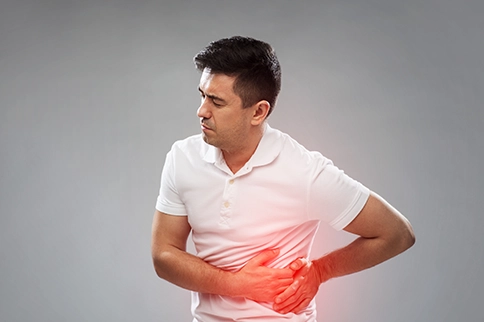
The pain can strike suddenly and stop you in your tracks. It grips you under the ribs, brings waves of nausea, and leaves you sweating and unable to sit still. Kidney stones and gallstones may feel similar in the moment, but they are fundamentally different conditions that require very different treatment approaches. Understanding the difference is essential because misidentifying the source of your pain can delay proper care and increase the risk of complications.
What Causes Kidney Stones?
Mineral deposits accumulate in the kidneys when fluid intake is inadequate, forming hard crystalline structures. The difference between kidney stones and gallstones begins with their formation:
- Insufficient liquid consumption — the primary preventable cause
- Obesity and metabolic imbalances
- Hereditary factors — kidney stones run in families
- High-oxalate diet — spinach, beets, nuts, and chocolate in excess
- Calcium supplement overuse
- Age and gender — men over 40 face higher incidence rates
- Recurrence risk — 50% probability within a decade of the first episode
What Causes Cholecystitis Gallstones?
Gallstones form when bile contains too much cholesterol or bilirubin, creating hardened deposits in the gallbladder:
- Women over 40 face an elevated risk, with obesity, diabetes, and hormonal factors each acting as independent risk factors that further compound the likelihood of gallstone formation.
- Rapid weight loss can trigger gallstone formation
- Many gallstones remain asymptomatic — complications arise only when stones block ducts
- Hormonal factors — oestrogen increases cholesterol in bile
- A diet rich in refined carbohydrates and lacking adequate fibre.
How Can You Tell the Symptoms Apart?
Gallstones vs kidney stones symptoms share similarities but have key distinctions:
Shared symptoms:
- Nausea and sweating
- Restlessness and fever with chills
- Pain under the ribs
Distinguishing features:
- Gallstones cause jaundice, yellowing of the skin and eyes (sclera)
- Kidney stones cause cramp-like, radiating pain and blood in urine (haematuria).
- Gallstone pain typically follows fatty meals
- Kidney stone pain radiates from the back toward the groin
Gallstone pain may cause referred pain to the right shoulder blade (due to phrenic nerve irritation)
Dr Batra's® Pro Tip
If you pass a kidney stone, save it and bring it to your consultation. Chemical analysis of the stone reveals its composition (calcium, uric acid, or struvite), allowing your homeopathy specialist to design dietary and treatment plans that target your specific stone type.
What Complications Can Arise If Left Untreated?
Kidney stone complications:
- Abscess formation and serious kidney infections
- Urinary fistulas and ureteral scarring
- Perforation of the urinary tract
- Potential kidney loss from prolonged obstruction
Gallstone complications:
- Empyema (pus accumulation) and gangrene
- Bile-duct injury and infection
- Cholecystitis (gallbladder inflammation)
- Tissue destruction and gallbladder rupture
Cholecystitis and kidney stone comparison shows both carry serious risks when ignored — early treatment prevents these outcomes.
How Can You Prevent Kidney Stones and Gallstones?
Prevention strategies that apply to both conditions:
- Maintain adequate hydration — drink 2-3 litres of water daily
- Restrict calcium-oxalate-containing foods if prone to kidney stones
- Eat balanced, fibre-rich diets
- Lose weight gradually — crash diets worsen both conditions
- Avoid skipping meals — irregular eating promotes gallstone formation
- Exercise regularly — 30 minutes of moderate activity most days
How Does Homeopathy Treat These Conditions?
Treating gallstones and kidney stones with homeopathy offers a holistic approach:
- Reduces pain and inflammation without surgical intervention
- Serves a preventive function — reducing recurrence risk
- Addresses underlying metabolic imbalances driving stone formation
- No side effects — safe for long-term preventive use
- Your qualified homeopathic doctor evaluates the complete health picture, including diet, stress, and hereditary factors
Disclaimer: Self-medication is strongly discouraged. Homeopathic medicines should be taken only under the guidance of a qualified medical practitioner. Remedies are prescribed based on individual symptoms, medical history, and overall health, and may vary from person to person. Results may vary depending on the severity of the condition and individual response to treatment.
Conclusion
- Kidney stones and gallstones can feel similar, but the distinction between them is crucial for the right treatment.
- Both can lead to serious complications if left untreated.
- Early diagnosis and preventive care improve outcomes in both conditions.
- Homeopathic treatment focuses on the metabolic root of stone formation.
- It offers a non-invasive approach for pain relief and recurrence management.
Frequently Asked Questions


More in Hair

Trending Now
Get Your Personalised Health Treatment Today


Working hours: 10am to 9pm daily.
Have Enquiries?
Leave your details and our hair therapy specialist will respond to your query shortly.