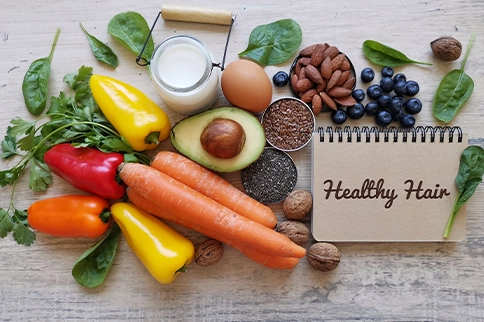
Your thyroid diet plays a bigger role in managing thyroid health than most people realise. The small, butterfly-shaped gland in your neck controls metabolism, energy, and hormonal balance, and what you eat can either support it or slow it down. Approximately 42 million people in India are affected by thyroid disorders; understanding how diet affects this condition is essential. This guide covers the best foods to include, what to avoid, and practical tips for building a thyroid diet plan that works.
What Are Thyroid Disorders and Why Does Diet Matter?
Thyroid disorders fall into two main categories:
- Hypothyroidism occurs when the gland produces too few hormones, leading to fatigue, weight gain, and sluggishness.
- Hyperthyroidism is the opposite, where excess hormone production causes a rapid heartbeat, anxiety, and unintended weight loss.
- Women are 5 to 10 times more susceptible to thyroid conditions than men, making awareness especially important for them.
The connection between diet and thyroid health is closely linked to key nutrients:
- Iodine is the primary building block for thyroid hormones.
- Selenium protects the gland from oxidative damage and supports the conversion of inactive thyroid hormone to its active form.
- Zinc plays a major role in immune regulation and hormone synthesis.
- A balanced thyroid-friendly diet can help support better symptom management alongside medical care.
It is also important to understand dietary triggers:
- Certain compounds called goitrogens can interfere with iodine uptake and hormone production when consumed in excess.
- This is why a well-planned thyroid diet is not just helpful but necessary for anyone dealing with a thyroid condition.
Next step:
- Understanding your specific disorder is the first step. Homeopathic doctor can help determine whether your thyroid is underactive or overactive and suggest dietary adjustments that align with your plan.
Which Foods Support Thyroid Health?
Choosing the right foods for thyroid health can meaningfully influence how well your gland functions day to day.
Key foods that support thyroid health
- Iodine sources (for hormone production)
- Seaweed
- Iodised salt
- Dairy products
- Eggs
- Helps prevent iodine deficiency, one of the common triggers of thyroid imbalance
- Selenium sources (for hormone activation)
- Brazil nuts (2–3 a day is usually enough)
- Fish
- Sunflower seeds
- Mushrooms
- Supports the conversion of T4 into the active T3 hormone
- Zinc-rich foods (for hormone synthesis)
- Pumpkin seeds
- Chickpeas
- Lentils
- Cashews
- Low zinc levels may impact thyroid hormone production
- Anti-inflammatory foods (for overall thyroid support)
- Berries
- Leafy greens
- Fatty fish
- Turmeric
- Helps reduce inflammation, especially in autoimmune thyroid conditions
- Hydration (for metabolic balance)
- At least 8 glasses of water daily
- Supports overall metabolic and hormonal functions
- Condition-specific guidance
- A personalised thyroid diet can make a difference in symptom management
- For hypothyroidism, structured dietary guidance can further help manage symptoms effectively. For those with hypothyroidism specifically, learning more about Hypothyroidism Diet: Foods to Eat and Avoid can provide additional targeted guidance.
Disclaimer: Self-medication is strongly discouraged. Homeopathic medicines should be taken only under the guidance of a qualified medical practitioner. Remedies are prescribed based on individual symptoms, medical history, and overall health, and may vary from person to person. Results may vary depending on the severity of the condition and individual response to treatment.
What Foods Should Thyroid Patients Avoid?
Just as certain foods help, others can hinder thyroid function. Knowing what to limit is a critical part of managing this condition well.
- Goitrogenic foods (when raw in excess)
- Soy products
- Broccoli
- Cauliflower
- Cabbage
- Brussels sprouts
- Can interfere with iodine absorption when eaten raw in large amounts
- Cooking helps reduce their effect significantly
- Processed and high-sugar foods
- Refined carbohydrates
- Added sugars
- Packaged snacks
- Sweetened beverages
- Fast food
- Can increase inflammation and place extra strain on thyroid function
- Gluten (in sensitive individuals)
- Wheat-based products
- May be linked with autoimmune thyroid conditions like Hashimoto’s in some cases
- An elimination trial should only be considered under medical guidance
- Excess caffeine
- More than moderate coffee intake
- May interfere with medication absorption and overstimulate the system
- Best kept to a balanced level
- Everyday habits to watch
- Certain routine lifestyle choices can also impact thyroid balance
- Reviewing overall habits is an important part of comprehensive thyroid care. Certain everyday Habits Hurting Your Thyroid Health extend beyond diet and are worth reviewing as part of a comprehensive management approach.
What Are Practical Diet Tips for Thyroid Patients?
Small, consistent changes like these can make daily thyroid management more balanced, predictable, and easier to sustain over time.
- Build a balanced plate
- Include lean protein, healthy fats, complex carbohydrates, and vegetables
- Helps maintain steady energy and stable blood sugar levels
- Stay well hydrated
- Drink enough water throughout the day
- Herbal teas like ginger or chamomile can also support digestion and comfort
- Stay physically active
- Aim for at least 30 minutes of movement daily
- Activities like brisk walking or yoga support metabolism and hormone balance
- Manage stress regularly
- Chronic stress can affect cortisol and thyroid function
- Practices like breathing exercises, meditation, or time in nature can help
- Track symptoms and progress
- Share regular updates with your homeopathy specialist
- Helps refine and adjust your plan as the condition evolves
- Prioritise quality sleep
- Aim for 7–8 hours of restful sleep
- Supports proper hormone regulation and recovery
- Keep a simple food journal
- Keep a note of what you are eating and how you feel.
- Helps identify patterns and supports more personalised guidance from your doctor. For those dealing with an overactive thyroid, additional Diet Tips for Hyperthyroidism can help you tailor your food choices more precisely.
Dr Batra's® Pro Tip
Thyroid health is highly individual. Focus on identifying how your body responds to specific foods and adjust your nutrition plan in consultation with your doctor for better long-term hormone balance.
How Does Dr Batra's® Approach Thyroid Care?
Our doctors support your thyroid care at every stage, with regular follow-ups and detailed health assessments that track hormone balance, metabolism, energy levels, and overall well-being. The focus is on steady, safe improvement and long-term stability, without harsh interventions or side effects.
- Comprehensive evaluation
Our consultation goes beyond routine reports. A detailed 40–45-minute assessment helps us understand your medical history, sleep patterns, stress levels, metabolism, mood, weight changes, menstrual health, and lifestyle. This helps identify the real factors contributing to your thyroid imbalance. - Advanced diagnostic review
We carefully analyse your thyroid profile, including TSH, T3, T4, antibody levels, related hormones, and key nutrient markers, along with your symptoms. This helps differentiate between hypothyroidism, hyperthyroidism, autoimmune thyroid conditions like Hashimoto’s, or stress-related hormonal imbalance, creating a clear direction for care. - Personalised care plan
Based on your reports and symptoms, our specialists design a tailored plan that combines homeopathy with guidance on diet, stress management, and lifestyle adjustments. The approach focuses on gently supporting hormonal balance, metabolism, mood, and energy levels. - Ongoing monitoring and refinement
Your progress is closely monitored through follow-ups, symptom tracking, and periodic reviews. Based on the response, your plan is refined at each stage to support consistent improvement and long-term thyroid stability.
Conclusion
- Focus on iodine, selenium, and zinc-rich foods
- Limit goitrogen-rich foods when consumed raw in excess
- Reduce processed and refined foods
- Follow regular monitoring of symptoms and progress
- Manage stress for better hormonal balance
- Seek guidance from a qualified homeopathy specialist
- Maintain consistent, balanced eating habits
Frequently Asked Questions


More in Hair


Trending Now
Are thyroid and obesity related?
What are the first signs of menopause?
How Homeopathy Supports Natural Hormone
Get Your Personalised Health Treatment Today


Working hours: 10am to 9pm daily.
Have Enquiries?
Leave your details and our hair therapy specialist will respond to your query shortly.