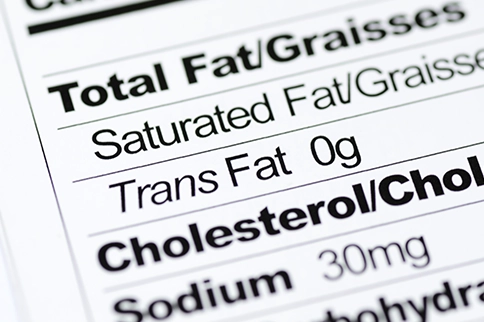
Most people don’t realise how often trans fats slip into everyday meals. From bakery snacks and packaged biscuits to fried fast food and processed spreads, these hidden fats quietly make their way into your diet. The real concern is not just weight gain. Regular consumption of trans fat–laden foods has been linked to inflammation, hormonal imbalance, heart disease, and metabolic disorders. If you think you rarely eat trans fats, you may want to look closer at ingredient labels. Many commonly consumed processed foods still contain them in disguised forms.
What Are Trans Fats and Why Are They Dangerous?
Trans fats are created when cooking oil undergoes "hydrogenation", a process that solidifies liquid oil for use in industrial food manufacturing. Your body naturally processes fats found in dairy and animal products, but these synthetically produced fats are far harder to digest.
A diet rich in common foods high in trans fats can trigger:
- Thyroid disorders — disrupting hormonal balance
- Type 2 diabetes — impairing insulin sensitivity
- Heart disease — raising LDL cholesterol while lowering protective HDL cholestero. Managing cholesterol levels early is essential to prevent long-term cardiac risks. Explore how homeopathy supports healthy cholesterol management.
- Chronic inflammation — driving weight gain and metabolic dysfunction
The recommended daily limit for trans fat intake is just 2 grams, and most people unknowingly exceed this before lunch.
Dr Batra's® Pro Tip
When shopping, flip the package and read the ingredients list, not just the front label. If "hydrogenated" or "partially hydrogenated" appears anywhere in the list, the product contains trans fats regardless of what the marketing claims on the front.
Which 10 Common Foods Are Loaded With Trans Fats?
These foods with harmful trans fats are likely in your kitchen right now:
- Biscuits — A single biscuit can contain over 2 grams of trans fats, already hitting your daily limit. Replace with multigrain bread for breakfast
- Margarine — Often sold as a butter alternative, many margarine products still contain trans fats. Always check the label for partially hydrogenated oils.
- Frozen snacks — Sausages, nuggets, cheese balls, and burger patties are trans fat powerhouses. Limit to once or twice weekly at most
- Cake mixes — Ready-made mixes contain substantial trans fats. Products labelled "0 trans fats" may legally contain up to 0.5 grams per serving
- Microwave popcorn — A single serving can contain up to 5 grams of trans fats, more than double the recommended daily limit
- Fried chicken — Batter-fried foods from restaurants and street vendors contain elevated trans fat levels
- Non-dairy creamer — Nearly 1 gram of trans fat per tablespoon makes your daily coffee habit a significant source
- Frozen dinners — Microwaveable meals get their soft texture largely from high trans fat content
- Peanut butter — Leading brands list "partially hydrogenated vegetable oils" as ingredients, confirming trans fat presence
- Packaged ice cream — Supermarket brands frequently contain substantial trans fats
How Can You Identify and Avoid Trans Fats?
Protecting yourself requires vigilance:
- Read ingredient lists —Watch for ingredients like partially hydrogenated oils or hydrogenated vegetable oils on the label.
- Check nutrition labels — Remember that "0 trans fat" can legally mean up to 0.5 grams per serving
- Cook at home — You control the oils and ingredients
- Choose whole foods — Fruits, vegetables, lean proteins, and whole grains are naturally trans fat free. Sustainable weight control doesn’t always require strict dieting. Discover healthy ways to lose weight without extreme restrictions.
- Use healthier cooking oils — Olive oil, coconut oil, or mustard oil instead of refined vegetable oils
- Avoid deep-fried street food — Reused cooking oil accumulates trans fats with each use.
Conclusion
- Not just junk food: Trans fat foods to avoid are often everyday staples marketed as convenient or even “healthy.”
- Hidden daily exposure: From breakfast biscuits to microwave popcorn, small amounts consumed regularly add up over time.
- Silent health risks: Long-term intake is linked to hormonal imbalance, heart disease, and metabolic disorders.
- Impact beyond weight gain: Trans fats can affect thyroid function and overall metabolic health. If weight gain has already become a concern, simple lifestyle changes can make a big difference. Read these 5 practical tips to lose weight safely.
- Prevention starts with awareness: Identifying these 10 common sources helps you make smarter food choices.
- Choose whole alternatives: Replacing processed foods with fresh, unprocessed options supports long-term well-being.
Frequently Asked Questions


More in Hair


Trending Now
Low Immunity Signs: How to Know When Your Body Is Asking for Help
Excessive sweating? Homeopathy can help.
Experience Tailor-Made Suits & Personalized Treatments Today
Get Your Personalised Health Treatment Today


Working hours: 10am to 9pm daily.
Have Enquiries?
Leave your details and our hair therapy specialist will respond to your query shortly.