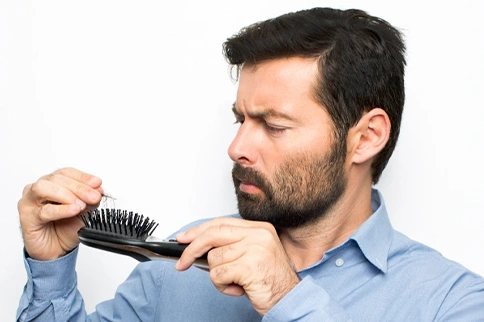
Losing a handful of hair strands each day is part of your body's natural renewal process. But when shedding becomes persistent, when the drain collects more than it should, or your parting seems wider than it used to, something deeper may be at play. Understanding the causes of hair loss is the essential first step toward finding a solution that actually works.
Hair fall rarely has a single trigger. It's usually a combination of internal and external factors that disrupts the natural growth cycle. From hormonal fluctuations and nutritional deficiencies to genetics and environmental damage, the causes of hair loss are as varied as the people who experience it. The good news? Most of these causes are identifiable and treatable, especially when addressed early. Learn more about how homeopathy for hair loss treatment works to correct internal imbalances and support sustainable regrowth.
What are the leading causes behind hair loss?
The hair growth cycle has three phases: growth (anagen), transition (catagen), and rest (telogen). When something disrupts this cycle, follicles either stop producing new hair or prematurely shed existing hairs. Here are the most common reasons for hair falling out:
- Genetics (Androgenetic Alopecia): The most widespread cause of hair fall, affecting both men and women. A family history of thinning significantly increases your risk. But hair loss can still occur even in the absence of a family history. Learn more about the different types of hair loss to understand where your pattern fits.
- Hormonal Imbalances: Shifts in hormone levels, whether due to thyroid disorders, PCOS, pregnancy, menopause, or elevated DHT, can directly shrink follicles and shorten the growth phase.
- Nutritional Deficiencies: Low levels of iron, biotin, zinc, vitamin D, and protein weaken hair at the root. Crash diets and restrictive eating habits are a particularly common cause of hair loss in younger adults.
- Chronic Stress: Prolonged stress floods the body with cortisol, pushing a large number of follicles into the resting phase simultaneously. This condition, called telogen effluvium, leads to noticeable diffuse shedding 2-3 months after the stressful event.
- Medical Conditions: Autoimmune disorders like alopecia areata, thyroid imbalances, diabetes, scalp infections, and post-illness recovery (dengue, typhoid) can all trigger or worsen hair fall. Hair fall after dengue is also commonly reported.
How Do Hormones Affect Hair Fall?
Understanding the hormonal trigger behind your hair loss is the first step toward choosing a treatment that protects follicle health and supports long-term regrowth.
- Hormonal imbalance is a leading cause of hair loss in both men and women.
- In men, excess DHT (dihydrotestosterone) binds to hair follicles, gradually shrinking them and causing a receding hairline and crown thinning.
- Identifying the specific causes of hair loss in men helps choose the right treatment early.
- In women, hormonal hair loss is commonly linked to PCOS, thyroid disorders, pregnancy, postpartum changes, and menopause.
- These conditions alter the hormonal balance, directly impacting follicle health and overall hair density.
Can Nutritional Deficiencies Cause Hair to Fall Out?
Nutritional deficiencies are among the most overlooked causes of hair loss. Hair needs a steady supply of protein, vitamins, and minerals to grow. When nutrients are lacking, the body prioritises vital organs, and hair health is often the first to decline.
The most common deficiencies associated with hair fall include:
- Iron: Essential for oxygen transport to follicles. Low iron levels are among the leading causes of hair loss in women.
- Biotin (Vitamin B7): Supports keratin production and strand strength.
- Zinc: Zinc plays a vital role in cell repair and regeneration. It also supports healthy follicle function, helps control scalp inflammation, and helps maintain a stable hair growth cycle.
- Vitamin D: Reduced levels have been linked to alopecia areata and increased overall hair thinning.
- Protein: The fundamental building block of hair. Insufficient intake leads to brittle, slow-growing strands.
Dr Batra's® Pro Tip
Before starting any supplement, get a blood test to confirm which deficiencies you actually have. Supplementing unthinkingly can sometimes do more harm than good; targeted correction based on lab results is always more effective.
How Does the Environment Contribute to Hair Loss?
What happens outside your body matters as much as what happens inside. Environmental factors are increasingly significant causes of hair loss, especially in Indian cities.
- Pollution: Airborne particulate matter settles on the scalp, clogs follicles, and increases oxidative stress — all of which weaken hair over time. Find out more about whether pollution causes hair loss.
- Hard Water: High mineral content in water can leave deposits on the scalp, leading to dryness, irritation, and breakage.
- Sun Exposure: Prolonged UV exposure damages the hair cuticle, making strands dry and prone to snapping.
- Chemical Treatments: Frequent colouring, straightening, and perming strip the hair of its natural protective layer.
- Heat Styling: Regular use of blow dryers, curling irons, and straighteners weakens the hair shaft from the outside in.
What role does stress play in hair fall?
Stress not only affects your mood. However. It directly impacts your hair. When the body is under chronic stress, it releases cortisol, which disrupts the hair growth cycle and prematurely pushes follicles into the telogen (resting) phase. This leads to a condition called telogen effluvium, in which you may notice sudden, widespread shedding, often occurring 2 to 3 months after the stressful period. The good news is that stress-related hair fall is usually reversible once the source of stress is managed. Meditation, regular exercise, adequate sleep, and professional support can all help restore the growth cycle over time.
How Can Homeopathy Address the Root Cause?
Homeopathy focuses on identifying and correcting the internal imbalances that trigger hair fall, helping restore natural growth safely and sustainably.
- Most conventional treatments focus on temporarily slowing hair fall without addressing the root cause.
- Homeopathic treatment works from within, targeting internal imbalances such as hormonal changes, nutritional deficiencies, or stress triggers.
- The approach is personalised to each individual’s constitution, making it precise and well-tolerated.
- When supported by advanced diagnostics, this method can deliver measurable and long-lasting results.
Why Choose Dr Batra's® for Hair Loss Treatment?
When it comes to managing hair fall, the right experience, accurate diagnosis, and personalised care can significantly improve outcomes. Their approach combines:
- 40 Years of Proven Expertise
Recognised as the world’s largest homeopathy network, Dr Batra’s® has cared for over 15 lakh patients across more than 100 health conditions. Our hair fall treatments are backed by decades of clinical experience and structured medical protocols. - Root-Cause Approach, Not Quick Fixes
We focus on identifying internal triggers such as stress, hormonal imbalance, nutritional deficiencies, and genetic factors. Each personalised homeopathic treatment plan for hair loss is designed to deliver steady, sustainable improvement. - Safe and Non-Surgical Care
Our approach is safe, natural, and designed to work in harmony with your body, supporting regrowth without dependence or unwanted effects. - Results Designed for the Long Term
By correcting internal imbalances, treatment supports healthier scalp function and stronger follicles, helping maintain hair stability over time. - AI-Enabled Diagnostic Accuracy
Our AI databank draws insights from over 15 lakh cases, assisting doctors in recommending the most suitable homeopathic hair treatment for your specific hair fall pattern. - 350+ Experienced Doctors Across India
Your care is guided by qualified BHMS and MD (Hom.) doctors who ensure accurate diagnosis and consistent treatment support throughout your journey.
Whether your hair loss is genetic, hormonal, nutritional, or stress-related, a personalised hair fall treatment plan can make a meaningful difference, especially when you start early.
Disclaimer: Self-medication is strongly discouraged. Homeopathic medicines should be taken only under the guidance of a qualified medical practitioner. Remedies are prescribed based on individual symptoms, medical history, and overall health, and may vary from person to person. Results may vary depending on the severity of the condition and individual response to treatment.
Your journey to stronger hair starts with one step
Book an AppointmentConclusion
- Hair loss is rarely due to one single cause; it’s often a mix of genetics, hormones, nutrition, lifestyle, and environmental factors.
- Identifying your specific triggers is key to choosing the right treatment approach.
- A holistic plan is more effective than symptom-based solutions.
- Early diagnosis improves your chances of slowing, controlling, and reversing hair thinning.
Frequently Asked Questions


More in Hair
Trending Now
Types of Hair Loss: Understanding Different Hair Loss Conditions
Symptoms of Male Pattern Baldness & Early Signs of Hair Loss
Causes of Male Pattern Baldness: Why Hair Loss Happens in Men
Get Your Personalised Health Treatment Today


Working hours: 10am to 9pm daily.
Have Enquiries?
Leave your details and our hair therapy specialist will respond to your query shortly.