Female Pattern Baldness in Your 20s — Causes, Signs, and What You Can Do About It
Talk to Our Experts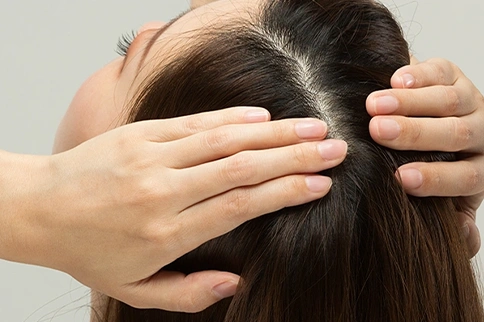
Losing a few strands of hair daily is completely normal. However, when you start noticing a widening parting line, thinner ponytails, or more hair on your pillowcase than usual, it's natural to feel alarmed. Female pattern baldness in the 20s is far more common than most women realise, and the earlier you recognise it, the better your chances of managing it effectively.
Female Pattern Baldness, medically known as androgenetic alopecia, doesn't cause complete bald patches the way it does in men. Instead, it shows up as a gradual, diffuse thinning, particularly along the crown and parting. For women in their twenties, this can feel especially distressing, but understanding the causes of female pattern baldness is the first step toward taking back control.
What Causes Female Pattern Baldness in Your 20s?
Hair thinning in young women is rarely caused by a single factor. It's typically a combination of internal triggers that weaken follicles over time. Here are the most common causes of female hair loss in the 20s:
- Hormonal Imbalances: Elevated androgen levels, often linked to conditions like PCOS, can shrink hair follicles and disrupt the normal growth cycle.
- Genetic Predisposition: If your mother or grandmother experienced early thinning, the likelihood of it showing up in your twenties increases significantly.
- Nutritional Deficiencies: Low levels of iron, Vitamin D, biotin, and protein starve follicles of the fuel they need to produce strong, healthy strands.
- Chronic Stress: Prolonged emotional or physical stress can push large numbers of follicles into a resting phase simultaneously, leading to noticeable shedding.
- Underlying Medical Conditions: Thyroid disorders, autoimmune diseases, and hormonal conditions like PCOS can all accelerate hair loss well before the typical age.
What Are the Early Signs to Watch For?
Recognising the symptoms of female pattern baldness early can significantly improve treatment outcomes. Look for these signs:
- A visibly widening centre parting
- Gradual thinning across the crown, not patchy, but diffuse
- Hair that feels finer, weaker, and breaks more easily than before
- Increased shedding during washing or brushing, consistently beyond the normal 100-150 strands per day
- Slower regrowth after hair naturally falls out
If you're noticing two or more of these signs, it's worth getting a professional evaluation rather than waiting to see if it resolves on its own.
How Is Female Pattern Baldness Diagnosed?
A proper diagnosis involves more than just looking at your hair. Hair doctors and skin specialists use a combination of methods to assess the type and severity of hair loss:
- Scalp Examination: Visual assessment of hair density, thinning patterns, and scalp health.
- Pull Test: Gently pulling a section of hair to determine how much comes out, indicating the level of active shedding.
- Blood Tests: Checking for iron, ferritin, thyroid function, vitamin D, and hormonal markers to rule out deficiencies or imbalances.
- Trichoscopy: A microscopic scalp analysis that evaluates follicle miniaturisation, a hallmark of androgenetic alopecia.
Dr Batra's® Pro Tip
Don't self-diagnose based on internet images alone. Hair loss patterns vary widely, and what looks like female pattern baldness could actually be telogen effluvium or a nutritional deficiency, both of which have very different treatment paths.
Can Hair Grow Back After Thinning?
This is the question most women ask first, and the answer is cautiously optimistic. When female pattern hair loss in the 20s is caught early, the thinning can often be slowed, stabilised, and in many cases partially reversed. The key factors that determine regrowth potential include:
- How early treatment begins- Follicles that haven't fully miniaturised respond best
- Whether the underlying cause (hormonal, nutritional, stress-related) is identified and addressed?
- The type of treatment used — holistic approaches that work from within tend to deliver more sustainable results than surface-level solutions.
Complete baldness is rare in women with this condition. But delayed treatment does make recovery harder, which is why acting sooner rather than later matters.
Lifestyle Changes That Support Healthier Hair
Treatment works best when supported by the right daily habits. Here's what you can do alongside any professional care to learn how to prevent hair fall for female individuals:
- Eat a nutrient-dense diet: Prioritise iron (spinach, lentils), biotin (eggs, almonds), omega-3 fatty acids (salmon, flaxseeds), and lean protein (chicken, paneer).
- Minimise heat and chemical exposure: Reduce blow-drying, straightening, and chemical treatments that weaken the hair shaft over time.
- Manage stress proactively: Yoga, meditation, regular exercise, and adequate sleep all help regulate the hormones that influence hair growth.
- Switch to gentle hair products: Sulfate-free shampoos and lightweight conditioners keep your scalp balanced without stripping natural oils.
- Massage your scalp daily: Even two minutes of gentle fingertip massage improves blood circulation to the follicles.
How Homeopathy and Advanced Treatments Can Help
Unlike topical solutions that only address symptoms on the surface, homeopathic treatment for female pattern baldness works from within, targeting the root causes like hormonal imbalances, nutritional gaps, and stress responses. Homeopathic remedies are personalised to each individual's constitution, making them both effective and free from side effects.
For women who need more intensive support, advanced aesthetic treatments can accelerate results:
- XOGEN Treatment: Uses exosome technology to revitalise weakened follicles and stimulate natural regrowth.
- GroHair Treatment: A growth factor therapy that delivers targeted nutrients directly to the scalp to accelerate hair regrowth.
- STM Treatment: A mesotherapy-based approach that infuses essential vitamins and minerals into the scalp for improved follicle health.
How Dr Batra's Can Help
With over 45 years of expertise in holistic hair care, Dr Batra's combines advanced diagnostics with personalised treatment protocols:
- 60-minute consultation to assess hair loss type, severity, and underlying causes
- AI-powered trichoscopy at 300x magnification for precise scalp analysis
- Customised treatment plans combining homeopathy, aesthetic therapies, and lifestyle guidance
- Measurable progress tracked through clinical reports and photographic documentation
- Safe, FDA-approved treatments with no long-term side effects
Disclaimer:
Self-medication is strongly discouraged. Homeopathic medicines should be taken only under the guidance of a qualified medical practitioner. Remedies are prescribed based on individual symptoms, medical history, and overall health, and may vary from person to person. Results may vary depending on the severity of the condition and individual response to treatment.
Female Pattern Baldness in Your 30s. Is It Different?
If you're approaching your thirties and noticing increased thinning, the condition may be progressing. While the underlying mechanism remains similar, female pattern baldness in the 30s often intensifies due to hormonal shifts related to pregnancy, postpartum changes, or the early stages of perimenopause. The sooner treatment begins, the more effectively progression can be managed at any age.
Regrow Naturally, Regain Confidence
Book an AppointmentConclusion
- Female pattern baldness in your twenties is common and treatable
- Early recognition plays a crucial role in effective management
- Accurate diagnosis helps identify the underlying cause
- Treatment should focus on the root cause, not just symptoms
- A combination of professional care and daily habits delivers better results
- Consistent care can help maintain hair health and density long-term
Frequently Asked Questions
- What Is Female Pattern Baldness?
- What Causes Female Pattern Baldness in Your 20s?
- Early Signs and Symptoms to Watch For
- How Is Female Pattern Baldness Diagnosed?
- Can Hair Grow Back After Thinning?
- Lifestyle Changes That Support Healthier Hair
- How Homeopathy and Advanced Treatments Can Help
- How Dr Batra’s Can Help
- Female Pattern Baldness in Your 30s — Is It Different?
- Frequently Asked Questions


More Articles
Trending Now
Types of Hair Loss: Understanding Different Hair Loss Conditions
Symptoms of Male Pattern Baldness & Early Signs of Hair Loss
Causes of Male Pattern Baldness: Why Hair Loss Happens in Men
Get Your Personalised Health Treatment Today


Working hours: 10am to 9pm daily.
Have Enquiries?
Leave your details and our hair therapy specialist will respond to your query shortly.