How to Remove Fungal Infection Marks from Skin: Proven Methods That Actually Work
Talk to Our Experts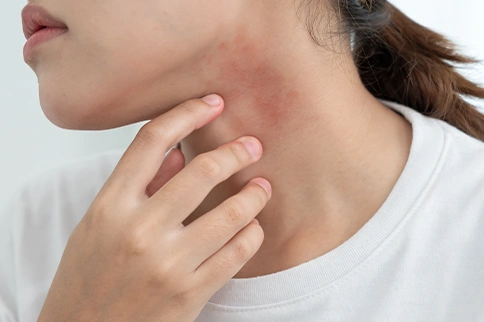
Fungal infections are stubborn enough on their own, but the marks they leave behind can feel like a cruel reminder long after the infection itself has healed. Dark patches, discoloured spots, and uneven skin tone, these are the lingering signatures of conditions like ringworm, tinea versicolor, and candidiasis. If you have been searching for how to remove fungal infection marks from skin, you are not alone. Millions of people deal with post-inflammatory hyperpigmentation and scarring caused by fungal skin conditions, and the frustration of watching those marks persist is very real.
The reassuring truth is that these marks are treatable. With the right approach, a combination of targeted skincare, lifestyle adjustments, and expert-guided treatment, most fungal infection scars fade significantly over time.
Why Do Fungal Infections Leave Marks?
When a fungal infection attacks the skin, it triggers an inflammatory response. Your immune system rushes to fight off the invading organism, and in the process, melanocytes (the cells that produce skin pigment) get overstimulated. This leads to post-inflammatory hyperpigmentation, dark spots or patches that linger after the infection clears.
The severity of these marks depends on several factors:
- Skin tone: Darker skin tones are more prone to hyperpigmentation because they have higher melanocyte activity.
- Duration of infection: The longer a fungal infection goes untreated, the deeper the inflammation and the more stubborn the resulting marks.
- Scratching and picking: Broken skin heals with more scarring. Resist the urge to scratch; it worsens both the infection and the marks it leaves.
- Location: Marks on the face, neck, and arms tend to bother people most because of their visibility.
Understanding why these marks form is the first step toward removing them effectively.
Types of Marks Left by Fungal Infections
Not all post-infection marks are the same. Recognising what you are dealing with helps you choose the right treatment:
- Hyperpigmentation (dark spots): The most common type. Caused by excess melanin production during the inflammatory phase. These are flat, brown to dark brown patches that follow the shape of the original infection.
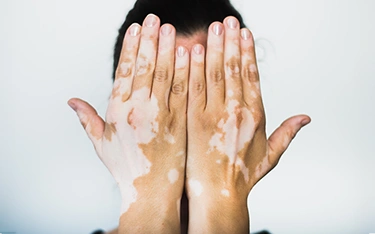
- Hypopigmentation (light spots): Common with tinea versicolor. The fungus interferes with melanin production, leaving lighter patches that are especially noticeable on tanned or darker skin.
- Textural scarring: In severe or repeatedly infected areas, the skin may develop a rough, uneven texture. This is less common with fungal infections, but it can happen with deep or chronic cases.
- Redness or erythema: Fresh marks may appear pink or red before settling into darker pigmentation. This is the body's residual inflammatory response.
How to Remove Fungal Infection Marks from Skin: Step-by-Step
Clearing these marks requires patience and consistency. Here is a practical approach that dermatologists and skin specialists recommend:
- Confirm the infection is fully treated — Applying lightening agents over an active fungal infection will not work and may make things worse. Ensure the underlying infection is completely resolved before focusing on the marks. If there is any itching, flaking, or spreading, revisit your doctor.
- Use a gentle exfoliant — Alpha hydroxy acids (AHAs) like glycolic acid and lactic acid help accelerate cell turnover, gradually fading dark spots. Start with a low concentration (5-8%) and use it two to three times a week to avoid irritation.
- Apply vitamin C serum — A potent antioxidant that inhibits excess melanin production and brightens existing dark spots. Look for L-ascorbic acid formulations at 10-20% concentration for best results.
- Incorporate niacinamide — Vitamin B3 (niacinamide) at 5% concentration, which reduces pigment transfer within the skin and strengthens the moisture barrier. It works well alongside vitamin C.
- Never skip sunscreen — UV exposure is the single biggest factor that darkens and sets post-inflammatory marks. Apply SPF 30 or higher every morning, even on cloudy days, and reapply every two to three hours if you are outdoors.
Dr Batra's® Pro Tip
For stubborn marks that have not responded to topical care after 8 weeks, consider a professional consultation. A specialist can determine whether deeper treatments like chemical peels or homeopathic remedies are needed to reset the skin's healing process.
Home Remedies That Support Fading
While clinical treatments are more reliable, certain natural ingredients can complement your skincare routine:
- Aloe vera gel: Soothes inflammation and supports skin repair. Apply fresh gel directly to marks and leave overnight.
- Turmeric paste: Curcumin has anti-inflammatory and mild skin-lightening properties. Mix with yoghurt and apply for 15 minutes before rinsing.
- Lemon juice (diluted): The citric acid acts as a mild exfoliant. Always dilute with water and avoid sun exposure after application, as it increases photosensitivity.
- Coconut oil: Moisturises the skin and supports the repair of the skin barrier, though it does not directly lighten marks.
- Honey: Has antibacterial and healing properties that support overall skin recovery.
These remedies work best as supportive measures alongside a proper skincare routine, not as standalone solutions for removing fungal infection scars.
The Role of Homeopathy in Treating Fungal Infection Scars
Fading fungal infection marks require more than surface-level care. Expert-led Homeopathic Skin Treatment helps restore the skin’s natural healing process and prevents recurrence.
- Works from within by targeting the body’s healing and immune response, not just surface symptoms
- Helps stimulate natural skin repair, improve circulation, and balance melanin production
- Personalised approach based on individual symptoms, skin type, and overall health
- Supports treatment of post-infection scars, pigmentation, and chronic fungal conditions
- Detailed evaluation and customised care plans aligned with your skincare routine
Preventing Future Marks
The best way to deal with fungal infection marks is to prevent them from forming in the first place:
- Treat infections early: The sooner you address a fungal infection, the less inflammation it causes — and the fewer marks it leaves behind.
- Avoid scratching: Keep nails short and use anti-itch creams to resist the urge.
- Keep skin dry and clean: Fungal organisms thrive in warm, moist environments. Dry skin thoroughly after bathing, especially in folds and creases.
- Wear breathable fabrics: Cotton and moisture-wicking materials reduce sweat buildup and fungal growth.
- Boost immunity: A strong immune system clears infections faster. Eat a balanced diet, sleep well, and manage stress.
Heal from the Root with Personalised Homeopathy Care
Book an AppointmentConclusion
Reclaiming Clear, Even-Toned Skin
Fungal infection marks may be persistent, but they are not permanent. With a disciplined skincare routine, sun protection, and the right professional guidance, your skin can regain its natural clarity and evenness. The key is starting early, staying consistent, and choosing treatments that work with your body rather than against it.
Frequently Asked Questions
- Introduction: Why Fungal Infection Marks Persist
- Why Do Fungal Infections Leave Marks?
- Types of Marks Left by Fungal Infections
- How to Remove Fungal Infection Marks from Skin: Step-by-Step
- Doctor’s Pro Tip: When to Seek Expert Help
- Home Remedies That Support Fading
- The Role of Homeopathy in Treating Fungal Infection Scars
- Preventing Future Marks
- FAQs
- Conclusion: Reclaiming Clear, Even-Toned Skin


More in Hair


Trending Now
Homeofacial vs. Peel vs. Microdermabrasion: Key Differences
Your Complete Guide to HomeoFacials
What is Homeofacial and How does it work?
Get Your Personalised Health Treatment Today


Working hours: 10am to 9pm daily.
Have Enquiries?
Leave your details and our hair therapy specialist will respond to your query shortly.