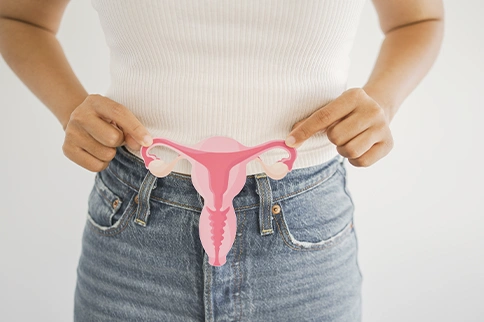
PCOS and Fertility: Can You Still Conceive Naturally? A Homeopathic Perspective
Polycystic Ovary Syndrome (PCOS) is a common hormonal disorder and one of the leading causes of infertility in women. It disrupts the ovaries’ ability to develop and release eggs properly. This makes conception challenging but not impossible. If you are wondering whether you can get pregnant with PCOS without treatment? However, fertility challenges are common, and some women may require medical support.
Another concern is how long PCOS treatment takes to show results. The answer varies for every woman. However, Homeopathy aims to provide an individualised approach to PCOS management and may be used alongside lifestyle modifications under professional supervision. In this blog, we will cover whether natural conception with PCOS is possible, how homeopathy treats PCOS naturally and what to expect from your treatment journey.
Understanding PCOS and Its Impact on Fertility
Polycystic Ovary Syndrome (PCOS) is a hormonal and metabolic disorder that affects 10% to 13% of reproductive-aged women worldwide. It is one of the leading causes of infertility, as the hormonal imbalances directly disrupt normal egg development and ovulation. Understanding how PCOS impacts fertility requires looking at the interplay of the ovaries, hormones and metabolism.
Key Fertility Impacts
- Ovulatory Dysfunction (Anovulation)
The most common reason for infertility in PCOS is the failure to ovulate regularly. High levels of androgens (male hormones) and insulin prevent eggs from developing and being released, resulting in irregular or absent periods. Without regular ovulation, there is no egg available for fertilisation, making conception naturally difficult but not impossible with the right treatment approach. - Ovarian cysts
Hormonal signalling issues cause multiple small and fluid-filled follicles to build up on the ovaries, giving them a polycystic appearance on ultrasound. However, not all women with PCOS develop cysts. - Implantation challenges
Elevated insulin and androgen levels can create a hostile environment in the uterine lining (endometrium), hindering a fertilised egg from securing an implant. Even when fertilisation occurs, an unprepared uterine lining can prevent a successful pregnancy, highlighting why treating PCOS holistically matters beyond just triggering ovulation - Egg quality and early miscarriage
The research has indicated that hormonal imbalances in PCOS can negatively impact egg quality and slightly raise the risk of miscarriage during the first trimester.
Can I Get Pregnant with PCOS Without Treatment?
Yes, some women with PCOS do not conceive naturally without treatment, particularly those who still ovulate, even irregularly. However, for many women, the underlying hormonal imbalance makes conception difficult without support. Poor egg quality, irregular cycles and implantation challenges can silently reduce your chances every month. While natural conception is possible, addressing PCOS, especially through a root-cause approach like homeopathy, significantly improves both your chances of conceiving and carrying a healthy pregnancy to term.
How does Homeopathy Approach PCOS Treatment?
Homeopathy treats PCOS holistically by focusing on correcting the internal hormonal imbalances rather than suppressing the symptoms. Unlike the conventional treatments that use synthetic hormones, homeopathic remedies are natural, highly diluted and personalised to each individual’s unique physical, mental and genetic profile.
Key Pillars of Homeopathic PCOS Treatment
- Constitutional prescribing
The practitioners evaluate the physical symptoms, cravings, genetic history, and emotional make-up to find a single personalised remedy. The remedy is chosen for the person and not just for the condition, making the treatment personalised. - Root-cause targeting
The treatment stimulates the body’s self-healing response to naturally restore the hormonal rhythm, improve metabolic health and address insulin resistance. Homeopathy seeks to support overall well-being through an individualised treatment approach. - Psychosocial consideration
Since stress, anxiety and depression are linked to PCOS, the patient’s mental and emotional state is actively factored into the remedy selection. In homeopathy, the mind and body are treated as one, addressing emotional well-being to promote complete and lasting recovery.
Commonly Prescribed Homeopathic Remedies for Women with PCOS
The most commonly prescribed homeopathic medicines for PCOS include Pulsatilla, Sepia, Calcarea Carbonica, Lycopodium, Thuja Occidentalis, and Natrum Muriaticum. Since homeopathy is personalised, the remedies are selected based on each woman’s unique physical symptoms and emotional profile known as constitutional totality.
Top Homeopathic Remedies for PCOS & Fertility
- Pulsatilla
Best for delayed, scanty, or missed periods in women with mood swings, a gentle disposition, and a lack of thirst. This is one of the most commonly indicated remedies for restoring menstrual regularity in PCOS. - Sepia
Ideal for hormonal imbalances with pelvic pain, bearing-down sensations, exhaustion, irritability and PCOS-related facial hair growth. - Calcarea Carbonica
This is highly effective for PCOS-related weight gain, cold sensitivity, heavy and delayed periods and excessive sweating around the neck and head; a go-to remedy for women with a sluggish metabolism and hormonal imbalance. - Lycopodoium
Prescribed to improve the metabolic hormone profile, address bloating, reduce ovarian cysts, flatulence and menstrual delays. This is used alongside calcarea carobonica for deeper metabolic correction. - Thuja Occidentalis
Thuja Occidentalis may be prescribed by homeopathic practitioners based on an individual's symptom profile. - Natrum Muriaticum
Indicated when the ovulation and menstrual cycles are disturbed due to chronic stress, grief and emotional suppression. When the emotional health is at the root of hormonal imbalance, this remedy works at restoring both together
Disclaimer: Self-medication is not recommended. Homeopathic medicines should be taken only under the guidance of a qualified homeopathic doctor.
Key Benefits of Homeopathy for PCOS and Natural Conception
Homeopathy stands out in PCOS management in its ability to address the whole person and not just the condition, making it a safe and fertility-friendly choice for women at every stage of their PCOS journey.
- Root-cause resolution
The focus is on deep systemic healing rather than temporarily masking symptoms. It targets the internal imbalance driving the PCOS, making results more lasting. - Hormonal balancing
Some patients report symptom improvement while undergoing individualised homeopathic treatment alongside lifestyle changes. - Menstrual regularity
Reduces the long intermenstrual gaps and restores a predictable monthly cycle. - Ovarian cyst management
Changes in ovarian morphology should be monitored through regular medical evaluation and ultrasound assessments. - Metabolic and weight support
Targets insulin resistance, slow metabolism and PCOS-related weight gain alongside lifestyle changes. - Side-effect free
Safe for long-term use with no hormonal dependencies or synthetic risks. It supports the body naturally without disturbing its hormonal rhythm.
Homeopathy vs. Conventional PCOS Treatments
When it comes to managing PCOS, both homeopathy and conventional (allopathic) treatments differ significantly in their approach, intent and long-term impact.
| Parameter | Homeopathy Treatment | Conventional Treatment |
| Approach | Individualised and holistic | Evidence-based and symptom-focused |
| Treatment Focus | Aims to support overall hormonal and emotional well-being | Focuses on managing symptoms, regulating cycles, and improving fertility outcomes |
| Hormonal Management | Uses individualised homeopathic remedies | May involve medications such as oral contraceptives, metformin, or ovulation-inducing drugs |
| Ovulation Support | Intended to support overall reproductive health | Directly targets ovulation through established medical treatments |
| Management of Ovarian Changes | Monitored through ongoing treatment and follow-up | May involve medications, lifestyle modification, or surgical intervention when indicated |
| Side Effects | Generally well tolerated when prescribed appropriately | Side effects vary depending on the medication used |
| Menstrual Cycle Regulation | Aims to promote menstrual regularity through an individualised approach | Often achieved through hormonal or non-hormonal medications |
| Fertility Support | Used as a complementary approach by some women seeking fertility support | Includes established fertility treatments and assisted reproductive techniques when required |
| Treatment Duration | Varies depending on individual health status and treatment goals | Varies based on symptom severity and treatment plan |
| Emotional Well-being | Emotional and psychological factors are often considered during case-taking | Mental health support may be incorporated when needed |
| Pregnancy Planning | Should be undertaken under the guidance of a qualified healthcare professional | Requires medical supervision and individualised planning |
| Long-Term Management | Treatment plans are individualised and reviewed periodically | Long-term management may be required for some women depending on symptoms and metabolic health |
How Long Does PCOS Treatment Take with Homeopathy?
Treatment duration varies considerably between individuals depending on symptom severity, lifestyle factors, and overall health.
Breakdown of the Treatment Timeline
- First 1 to 3 Months — Initial Response
Early shift in energy levels, general well-being and minor symptom relief begin to appear. The body begins responding to the subtle yet encouraging signs that healing has begun. - 24 to 12 months- Hormonal and cycle regulation
Menstrual cycles resume, intermenstrual gaps shorten, and ovarian cysts begin to decrease on ultrasound. This is where the most visible progress happens; regular cycles and shrinking cysts signal real hormonal recovery. - 12 to 24 months- Deep constitutional healing
Deep-seated metabolic and fertility issues are addressed. This ensures that changes are stable and long-lasting.
Signs That Your PCOS Symptoms May Be Improving
Signs that your treatment may be progressing positively:
- More regular periods: The menstrual cycles become more predictable and closer to a normal monthly pattern
- Reduced acne and excessive hair growth: The hormonal balance may help in reducing the breakouts and unwanted facial or body hair.
- Less hair fall: A decrease in excessive hair shedding and improved hair health
- Better weight management: The improved metabolism makes it easier to maintain a healthy weight when combined with lifestyle changes.
- Improved energy levels: Reduced fatigue and fewer energy crashes throughout the day.
When to consider homeopathic treatment for PCOS and Fertility?
You should consider homeopathic treatment for PCOS if you want a non-invasive and side-effect-free approach that addresses the root hormonal, metabolic, and emotional aspects of the condition.
Scenarios to consider homeopathy
- Seeking Synthetic-Free Care
Prefer to avoid side effects or the cost of conventional medications like oral contraceptive pills, metformin or fertility drugs. - Struggling with irregular ovulation
When your primary fertility barrier is irregular or absent ovulation and erratic menstrual cycles. Homeopathy is used by some women as a complementary approach to managing PCOS symptoms. - Managing whole-body PCOS symptoms
When weight gain, hair loss, hormonal acne and mood swings need to be addressed alongside fertility. PCOS affects the whole body, homeopathy treats it the same way. - Addressing stress-induced infertility
When emotional stress, depression and anxiety are actively worsening your hormonal cycles. When the mind affects the body, homeopathy addresses both.
Diet and Lifestyle Tips to Support Homeopathic Treatment for PCOS
Small but consistent changes in diet and lifestyle do not just support homeopathic treatment; they amplify it.
- Eat low-GI and anti-inflammatory foods
Choose complex carbs like millets, oats, and brown rice alongside anti-inflammatory foods such as walnuts, berries, and spinach. Stable blood sugar and reduced inflammation directly support hormonal balance in PCOS. - Increase protein and fibre intake
Include eggs, tofu, lentils, pulses and leafy greens in every meal to support metabolism and gut health. Together, proteins and fibre regulate insulin levels, the silent driver of PCOS. - Cut processed foods and refined sugar
Eliminate sodas, packaged snacks, and deep-fried foods from your daily diet. - Exercise, sleep and manage stress
Combine daily walking with resistance training. Maintain 7-8 hours of sleep and practice yoga or deep breathing regularly. These habits lower cortisol, improve insulin sensitivity and restore ovulation naturally. - Follow homeopathy-specific rules
Some homeopathic practitioners recommend avoiding coffee, strong flavours, or aromatic substances around remedy administration.
Conclusion
- PCOS is a manageable condition, not a permanent barrier to fertility.
- Many women with PCOS conceive naturally, especially when the root cause is addressed
- Homeopathy offers a safe, holistic and side-effect-free approach to restoring the hormonal balance and improving fertility.
- With the right remedies, diet, patience and lifestyle, the body can heal itself from within
- Treatment timelines may vary, but consistent homeopathic care delivers lasting results, not just temporary relief.
Frequently Asked Questions
- Understanding PCOS and Its Impact on Fertility
- Can I Get Pregnant with PCOS Without Treatment?
- How does Homeopathy Approach PCOS Treatment?
- Commonly Prescribed Homeopathic Remedies for Women with PCOS
- Homeopathy vs. Conventional PCOS Treatments
- How Long Does PCOS Treatment Take with Homeopathy?
- Signs That Your PCOS Symptoms May Be Improving
- When to consider homeopathic treatment for PCOS and Fertility?
- Diet and Lifestyle Tips to Support Homeopathic Treatment for PCOS


Get Your Personalised Health Treatment Today


Working hours: 10am to 9pm daily.
Have Enquiries?
Leave your details and our hair therapy specialist will respond to your query shortly.