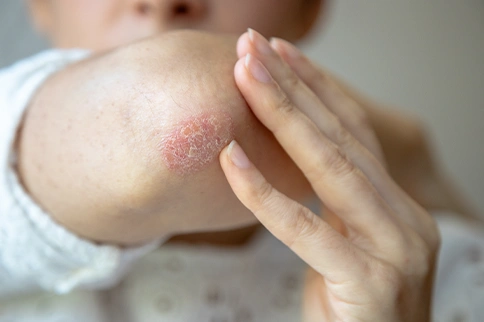
The monsoon brings a much-needed break from the scorching summer heat. However, along with relief, it can also bring many skin problems. Prolonged dampness, high humidity, and sudden weather changes weaken your skin's natural barrier, causing rashes, infections, and allergies during the monsoon season. If left untreated, monsoon skin problems can range from mildly irritating to genuinely uncomfortable. In this blog, we will explore the most common skin issues that flare up during the rainy season, including heat rashes, ringworm and athlete's foot, eczema flare-ups and skin allergies. We will also talk about the warning signs that indicate you need medical attention, along with prevention tips to help you keep your skin dry, healthy, and infection-free all season long.
Are Skin Problems Common During the Monsoon?
Skin damage is very common during the monsoon season as high humidity and damp air weaken the skin's natural barrier. Besides, warm and damp conditions allow bacteria and fungi to grow easily. This frequently leads to issues like acne flare-ups, fungal infections, heat rashes and eczema. Seasonal skin conditions increase oil production, which traps dirt and clogs pores. Also, moisture and sweat can lead to inflamed hair follicles or painful boils. Fluctuating humidity and moisture trapped on the skin irritate sensitive, reactive skin.
Common Skin Diseases in Rainy Season and What Causes Them
Common skin issues include fungal infections, contact dermatitis, and folliculitis. These occur due to excess sweat, damp conditions, and pollutants that clog pores, leading to bacterial and fungal overgrowth. Monsoon humidity can also worsen acne breakouts and trigger eczema flare-ups in individuals with sensitive skin. During the rainy season, these are some of the most common skin diseases, and understanding their causes will help you treat and prevent them. The common skin problems and causes are:
- Fungal infections - Athlete's foot and ringworm
Causes: The fungus tinea thrives in warm, humid environments and in sweat-prone skin folds. Wet clothing and damp socks for long periods can increase this
Symptoms: Red or discoloured circular patches, intense itching and cracked, peeling skin on the feet. - Eczema Flare-ups
Causes: The skin loses its natural oils, weakening the skin barrier and causing dryness. Sweat accumulation and temperature changes can aggravate preexisting sensitive skin conditions.
Symptoms: Intense itching, dry patches, and inflamed, cracked skin. - Contact Dermatitis and Allergies
Causes: Walking through or coming into contact with stagnant, contaminated water can irritate the skin barrier. Humidity can increase the risk of allergic reactions to metals in artificial jewellery, damp indoor spaces and wet fabrics.
Symptoms: Swelling, redness and sudden localised rashes - Scabies
Causes: In humid, crowded spaces or through damp, poorly dried clothing, tiny mites spread easily.
Symptoms: Tiny pimple-like bumps and thin burrow lines on the skin are accompanied by intense itching at night. - Acne breakouts
Causes: High moisture in the air causes the skin oil glands to produce excess sebum. The sweat gets trapped in the outer layers of the skin.
Symptoms: Blackheads, whiteheads, oily skin and inflamed, painful pimples on the chest, back and face.
Skin Rashes During Monsoon: Types and Triggers
Monsoon rashes develop when constant sweat and dampness weaken the skin's natural barrier and make it easy for bacteria and fungi to grow. The most common is heat rash, or prickly heat, which occurs when blocked sweat glands trap moisture under the skin, usually in areas covered by tight clothing or skin folds. This results in tiny, itchy red bumps or small blisters on the back, neck, and chest.
Irritation can occur when wet clothing and rainwater are in contact for an extended period. Besides, walking through puddles exposes the skin to dust, mud and contaminants. Meanwhile, damp and synthetic fabrics rubbing against the skin for hours can lead to soreness, chafing, and redness. Changing out of wet clothes promptly, keeping the skin dry and avoiding tight and synthetic fabrics can prevent these rashes from developing or worsening.
Skin Allergies During Monsoon: How to Identify Them?
During the monsoon, it can be difficult to distinguish skin allergies from rashes or infections. The main difference is how they appear and behave. Allergic reactions usually appear suddenly after exposure to a specific trigger, such as dust mites, mould, metal jewellery, or insect bites, and show up as raised, itchy welts or hives that shift in location rather than staying in one fixed patch. Allergies may come with other symptoms, such as watery eyes and sneezing, if the reaction extends beyond the skin. If the reaction appears quickly, spreads, and does not settle with basic hygiene, it is usually an allergy rather than a rash.
Itchy Skin During Monsoon: What It Means
Itchy skin during the monsoon is usually caused by sweat, humidity, and damp clothing, which can trigger fungal infections such as bacterial folliculitis, ringworm, and eczema flare-ups. Exposure to contaminated rainwater can also lead to allergic reactions or contact dermatitis.
Who Is at Higher Risk?
Due to weakened skin barriers and lower immunity, some groups are more prone to monsoon skin problems. Children have developing skin that is easily irritated by fungal infections and rashes. Meanwhile, older adults have thinner, drier skin that heals more slowly and responds more to humidity. Pregnant women may see heightened skin sensitivity and allergic reactions from hormonal changes. People suffering from weak immunity, diabetes and thyroid issues are at risk, as these conditions slow healing and invite recurring infections. Meanwhile, those suffering from eczema and psoriasis should remain cautious, as humidity can trigger flare-ups.
What does your symptom indicate?
- Circular, red and scaly patches indicate ringworm
- Itchiness between the toes and cracked skin are signs of athlete's foot, which thrives when the feet are stuck in wet shoes.
- Red, pus-filled bumps indicate bacterial folliculitis, caused by clogged hair follicles and trapped sweat.
- Intense itching in body folds may indicate candidiasis, a yeast infection that thrives in warm, moist skin folds, or heat rash caused by blocked sweat ducts.
- Dry, inflamed patches: An eczema flare-up worsens with sudden changes in weather and humidity.
When to See a Doctor for Monsoon Skin Problems?
Consult a skin specialist if the rash or itch persists beyond 3-5 days and worsens despite home care, or shows any signs of infection, such as pus, swelling, or fever. Early skin treatment prevents recurring flare-ups and scarring. Watch out for the warning signs as stated under:
- Signs of infection: Warm, pus-filled and painful bumps (boils and folliculitis)
- Spreading or recurring rashes: Ringworm or athlete's foot that expands or keeps coming back
- Severe or cystic acne: Deep breakouts that risk scarring or dark marks
- Worsening eczema: Skin that bleeds, cracks and oozes
- Pre-existing conditions: Thyroid issues, diabetes, and weak immunity call for early consultation at the first sign of skin trouble
How Monsoon Skin Problems Are Diagnosed and Treated?
Monsoon humidity triggers bacterial rashes, fungal infections and acne flare-ups. Doctors diagnose these through skin scrapings and visual exams, and treat them with antibacterial washes, targeted antifungals, and non-greasy topicals, while avoiding over-the-counter creams that worsen infections. Let's find out how monsoon-related skin problems are diagnosed and treated.
How are monsoon skin problems diagnosed?
- Visual examination: Doctors inspect the colour, shape and location of the rash or lesion.
- Skin scraping (KOH Test): A painless, gentle scrape of the affected skin is checked under the microscope to confirm the presence of fungi and yeast.
- History check: The clinician asks about your exposure to shared towels, damp clothing and unprescribed steroid cream usage.
How are Monsoon Skin Problems Treated?
Treatment for monsoon skin problems depends on the type and severity of the skin issue. Proper diagnosis is essential before starting any medication. Here's how monsoon skin problems are treated
- Bacterial rashes and acne: Managed using foaming antibacterial cleansers, salicylic acid, along with lightweight and non-comedogenic moisturisers to clear the blocked pores. For heat rash, it is recommended to keep that area clean, dry and cool. Use calamine lotion or a mild antiseptic powder to soothe itching and reduce blocked sweat ducts. Wear loose cotton clothing to prevent further irritation and allow the skin to heal.
- Fungal infections: Treated with topical or oral antifungals, and medicated dusting powders keep high-moisture skin folds dry.
- Avoiding steroid damage: Doctors warn against using any combination creams that contain steroids that hide symptoms and make the fungi grow stronger.
- The homeopathic approach
Homeopathy targets the root cause: low immunity, allergic sensitivity and recurring triggers rather than just the symptoms. The remedies are selected based on the individual's triggers and skin history, thereby making the treatment more personalised and reducing the risk of relapse.
How to Prevent Fungal Infections and Other Skin Issues During Monsoon?
Fungi and bacteria thrive in warm, humid and damp environments. Hence, following the monsoon skincare tips below can help you prevent fungal infections during the rainy season and reduce the risk of other skin issues.
- Maintaining hygiene
Ensure you use antibacterial products or mild, pH-balanced soap daily to wash away sweat and fungal spores. Use anti-fungal powders if you are prone to sweating or fungal infections, and dust them in sweat-prone areas after drying off. - Choose the right footwear and clothing
Choose loose-fitting cotton clothing, as synthetic materials and tight clothing can trap the sweat. This creates a breeding ground for fungi. Do not stay in damp clothes, undergarments, or socks, and avoid wearing closed, damp shoes. Wear well-ventilated footwear. Allow your shoes to dry completely between wears and avoid walking barefoot in wet and public areas. - Practice strict personal care
The fungal spores can easily spread from person to person. Avoid sharing socks, towels, shoes and grooming tools. Keep your toenails and fingernails trimmed short and clean to prevent dirt and fungi from accumulating underneath. If you have diabetes or any thyroid issues, keep your blood sugar or hormone levels controlled, as they can make you susceptible to recurrent skin infections. - Do not self-medicate
Do not self-medicate with over-the-counter steroid creams if you develop a rash or persistent itching, as this can worsen the fungal infection.
Daily Monsoon Skincare Routine
The high humidity increases sweat and sebum production. Hence, swap heavy creams for oil-free, lightweight and non-comedogenic formulas to keep the pores clear.
Morning
- Cleanse with a gentle gel or a foaming face wash
- Tone with an alcohol-free and balancing toner
- Apply a lightweight serum to control dullness and sebum
- Moisturise with a fast-absorbing and oil-free gel formula
- Finish with a broad-spectrum SPF 30+ sunscreen, even on cloudy days
Evening
- Double cleanse to remove pollution, sweat and sunscreen buildup
- Use targeted treatments (mild exfoliants) 2-3 times a week
- Reapply a thin layer of gel moisturiser for overnight repair.
Expert Care at Dr Batra's®
Give your skin the right support along with personalised care designed to promote lasting relief and long-term skin health.
- Individualised treatment plans personalised to your symptoms, skin type, and underlying triggers
- Experienced homeopathic doctors with expertise in treating monsoon-related skin conditions.
- Consultations to identify the factors that contribute to allergies, fungal infections and recurring skin problems
- Outcome reports track your progress and documented treatment response
- Regular follow-ups to review your progress and refine the treatment plan when needed.
Frequently Asked Questions
- Are Skin Problems Common During the Monsoon?
- Skin Allergies During Monsoon: How to Identify Them?
- When to See a Doctor for Monsoon Skin Problems?
- How Monsoon Skin Problems Are Diagnosed and Treated?
- How to Prevent Fungal Infections and Other Skin Issues During Monsoon?
- Daily Monsoon Skincare Routine


Get Your Personalised Health Treatment Today


Working hours: 10am to 9pm daily.
Have Enquiries?
Leave your details and our hair therapy specialist will respond to your query shortly.