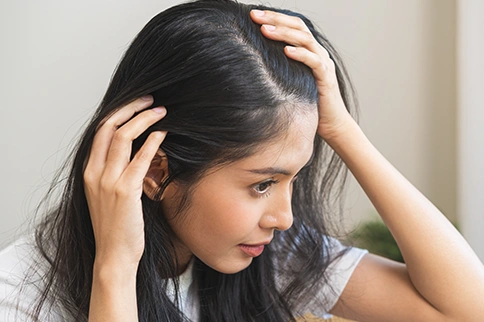
“You blamed your shampoo. Your stress. Even the weather. But what if your hair isn't the real problem?”
Persistent hair fall isn't always caused by what's happening on your scalp. Sometimes, it's your body's way of signalling an underlying nutritional deficiency.
One of the most overlooked causes of hair loss in women is iron deficiency anaemia. When your body lacks iron, it reduces the oxygen supply to hair follicles, leading to excessive shedding and slower hair growth. In this blog, we'll explore the link between iron deficiency anaemia and hair loss, the signs to watch for, and how timely care can support healthier hair from within.
What is Iron Deficiency Anaemia?
Iron is an essential mineral that helps your body produce haemoglobin, a protein in red blood cells responsible for carrying oxygen to tissues and organs.
When your body doesn't have enough iron, it cannot produce sufficient healthy red blood cells. This condition is known as iron deficiency anaemia.
Since every cell in your body depends on oxygen to function efficiently, low iron levels can affect multiple systems, including your skin, nails, energy levels, and hair.
In fact, many women first notice the problem not because they feel unwell, but because they experience unexplained hair fall.
Some of the most common causes of iron deficiency include:
- Heavy menstrual bleeding
- Pregnancy and breastfeeding
- Poor dietary iron intake
- Frequent dieting or restrictive eating habits
- Digestive conditions that affect nutrient absorption
- Increased nutritional requirements during adolescence
Can Iron Deficiency Cause Hair Loss?
The answer is yes.
If you have been wondering, “Can iron deficiency cause hair loss?”, the answer lies in understanding how your body prioritises its resources.
Hair follicles are among the most active cells in the body. They require a constant supply of oxygen and nutrients to produce healthy hair.
When iron levels fall, your body shifts into survival mode. It directs available oxygen to vital organs like the heart and brain, while processes that aren't essential for immediate survival, such as hair growth, receive less oxygen.
This can lead to:
- Increased daily hair shedding
- Slower hair regrowth
- Reduced hair density
- Noticeable hair thinning over time
Unlike hereditary hair loss, anaemia and hair fall often result in diffuse thinning, where hair becomes thinner across the entire scalp instead of forming isolated bald patches.
Remember: Your hair is one of the first parts of your body to reflect what's happening inside. Persistent hair fall may be less about the products you use and more about the nutrients your body lacks.
Why Are Indian Women More Prone to Iron Deficiency?
Iron deficiency is one of the most common nutritional deficiencies among Indian women because several biological and lifestyle factors contribute to this — factors that also drive broader patterns of hair thinning in women. Some of the most common factors contributing to it are:
1. Heavy Menstrual Blood Loss
Women with prolonged or heavy menstrual cycles lose significant amounts of iron every month, making it difficult to replenish their body's iron stores through diet alone.
2. Vegetarian Eating Habits
Many Indian diets rely heavily on plant-based sources of iron. While nutritious, the body absorbs non-haem iron from plant foods less efficiently than iron found in animal-based foods.
3. Pregnancy and Breastfeeding
During pregnancy, the body's iron requirements increase considerably to support both the mother and the growing baby. Without adequate nutrition or supplementation, iron deficiency can develop quickly.
4. Frequent Dieting
Skipping meals or following restrictive diets for weight loss can reduce your intake of iron and other essential nutrients that support healthy hair growth.
5. Busy Lifestyles
Long working hours, irregular eating habits, and reliance on processed foods can make it difficult to consistently consume a balanced, iron-rich diet.
Iron Deficiency Symptoms in Women You Shouldn't Ignore
Hair loss is only one piece of the puzzle; there is a lot more to it. The body often gives several warning signs before the body's iron deficiency becomes severe.
Watch out for these common iron deficiency symptoms in women:
- Excessive hair fall
- Persistent fatigue or weakness
- Pale skin
- Brittle or spoon-shaped nails
- Frequent headaches
- Dizziness or light-headedness
- Cold hands and feet
- Difficulty concentrating
- Shortness of breath after mild activity
- Increased heartbeat or palpitations
Many women overlook these symptoms because they develop gradually over time. However, recognising them early can help one to prevent further health complications.
How Low Iron Affects Your Hair Growth Cycle
Healthy hair goes through three natural phases: growth, transition, and shedding.
Normally, only a small percentage of your hair is in the shedding phase at any given time.
However, hair fall due to low iron disrupts this natural balance.
When your body lacks iron:
- Hair follicles receive less oxygen.
- The active growth phase shortens.
- More hair enters the resting phase prematurely.
- Hair shedding increases while new hair growth slows down.
This condition, known as telogen effluvium, often develops two to three months after the body experiences nutritional stress.
The reassuring part is that the hair follicles usually remain healthy. Once iron levels are restored and the underlying deficiency is addressed, the normal hair growth cycle can gradually resume.
How Is Iron Deficiency Diagnosed?
Not every case of hair loss is linked to iron deficiency.
Hair loss can also occur due to other possible causes of hair loss — hormonal imbalances, thyroid disorders, PCOS, stress, genetics, or other nutritional deficiencies.
If your doctor suspects hair loss due to iron deficiency, they may recommend:
- Complete Blood Count (CBC)
- Serum Ferritin
- Serum Iron
- Total Iron Binding Capacity (TIBC)
- Vitamin B12 and Vitamin D levels
- Thyroid function tests, if required
These investigations help determine whether low iron levels are contributing to your symptoms and guide the most appropriate treatment plan.
Foods That Help Improve Iron Levels
If your hair fall is linked to iron deficiency, improving your iron intake is an important part of the recovery process. While diet alone may not be enough to correct severe iron deficiency anaemia, it plays a significant role in rebuilding your body's iron stores and supporting healthy hair growth.
Iron-Rich Foods to Include in Your Diet:
Haem Iron (Easily Absorbed by the Body)
- Lean meat
- Chicken
- Fish
- Eggs
Non-Haem Iron (Plant-Based Sources)
- Spinach and other leafy greens
- Lentils and dals
- Chickpeas and kidney beans
- Ragi (finger millet)
- Soybeans and tofu
- Pumpkin seeds and sesame seeds
- Raisins and dates
Make Iron Work Better
Your body absorbs iron more efficiently when you combine iron-rich foods with foods rich in Vitamin C.
Pair your meals with:
- Amla
- Oranges
- Guava
- Lemon
- Tomatoes
- Bell peppers
Quick Tip: Try to avoid drinking tea or coffee immediately after meals, as they can interfere with iron absorption. For a broader look at diet-driven hair health, see iron-rich foods and other superfoods for healthy hair.
Lifestyle Tips to Support Healthy Hair Growth
Healthy hair isn't built by one miracle product. It's the result of consistently taking care of your body from the inside and maintaining a wholesome routine for your hair and skin.
Along with treating iron deficiency, these habits can help support your stronger, healthier hair:
- Eat balanced meals instead of skipping breakfast or lunch.
- Stay well hydrated throughout the day.
- Get 7-8 hours of quality sleep every night.
- Exercise regularly to support overall circulation and well-being.
- Manage stress through yoga, meditation, or mindful breathing.
- Avoid excessive heat styling and harsh chemical treatments.
- Choose gentle shampoos suitable for your scalp type.
- Never self-medicate with iron supplements without consulting a healthcare professional.
Healthy hair isn't just about what you apply to your scalp-it's about how well you nourish your body from within.
When Should You Seek Medical Help?
Losing 50 to 100 strands of hair a day is considered normal. However, if you are noticing significantly more hair fall or other symptoms of iron deficiency, it's time to seek professional advice.
You should consult a healthcare professional if you experience:
- Hair fall lasting longer than 2-3 months
- Noticeable thinning or widening of your hair parting
- Constant fatigue despite getting enough rest
- Heavy or prolonged menstrual periods
- Frequent dizziness or breathlessness
- Brittle nails, along with excessive hair shedding
- Hair loss that doesn't improve despite lifestyle changes
Early diagnosis can help identify the underlying cause and prevent further hair loss.
Expert Care at Dr Batra's®: Looking Beyond Hair Fall
At Dr Batra's®, we believe that effective hair fall management begins with understanding why it's happening.
Hair loss can result from nutritional deficiencies, hormonal changes, stress, lifestyle factors, or underlying medical conditions. That's why our experts take a personalised approach to identify the root cause before recommending a treatment plan.
Our comprehensive approach includes:
- Detailed evaluation of your hair and scalp health
- Understanding your medical history, nutritional status, and lifestyle
- Personalised homeopathic treatment based on your individual needs
- Dietary and lifestyle guidance to support healthy hair growth
- Long-term care focused on overall wellness, not just temporary symptom relief
By addressing the root cause while supporting your body's natural healing process, we aim to help you achieve healthier hair and improved overall well-being. Explore our women's health treatments at Dr Batra's to learn more.
Frequently Asked Questions
- What is Iron Deficiency Anaemia?
- Can Iron Deficiency Cause Hair Loss?
- Why Are Indian Women More Prone to Iron Deficiency?
- Iron Deficiency Symptoms in Women You Shouldn't Ignore
- How Low Iron Affects Your Hair Growth Cycle
- How Is Iron Deficiency Diagnosed?
- Foods That Help Improve Iron Levels
- Lifestyle Tips to Support Healthy Hair Growth
- When Should You Seek Medical Help?
- Expert Care at Dr Batra's®: Looking Beyond Hair Fall


Get Your Personalised Health Treatment Today


Working hours: 10am to 9pm daily.
Have Enquiries?
Leave your details and our hair therapy specialist will respond to your query shortly.