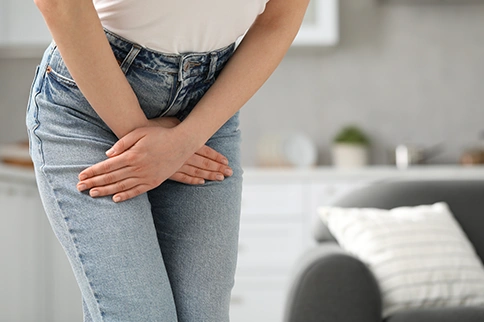
You plan your outings around bathroom availability. You avoid laughing too hard. You carry extra pads everywhere you go. If this sounds familiar, you are among the millions dealing with urinary incontinence, a condition that is far more common than most people realise, yet rarely discussed openly. Homeopathic treatment for urinary incontinence offers a safe, surgery-free approach that addresses the root cause of bladder weakness rather than simply managing leaks. For a broader understanding of the condition and available care options, understand the detailed urinary incontinence overview here.
How Long Can You Hold Your Pee — And When Should You Worry?
Most healthy adults need to urinate every 3 to 4 hours during the day. At night, most people under age 50 can comfortably hold urine for about eight hours. But when you experience persistent urgency, pain, or involuntary leakage before reaching the toilet, it may signal urinary incontinence that needs professional attention. Women are disproportionately affected due to factors like pregnancy, childbirth, and hormonal changes during menopause. Understanding the symptoms early helps you seek timely treatment before the condition impacts your quality of life.
What Are the Different Types of Urinary Incontinence?
Not all bladder control problems are the same. Identifying your specific type is crucial for effective treatment:
- Stress Urinary Incontinence — Urine leaks when pressure is placed on the lower abdomen, such as during coughing, sneezing, laughing, or exercise. Commonly caused by weakened pelvic muscles after childbirth or pelvic surgery
- Urge Incontinence — A sudden and intense urge to urinate with minimal warning, giving you only seconds to minutes to reach a bathroom. Most common in older adults and may indicate kidney or bladder infections
- Overflow Incontinence — Constant dribbling from an overfilled bladder when you cannot empty it completely. More common in men, often caused by an enlarged prostate, urinary blockage, or tumours
- Neurogenic Incontinence — Nervous system dysfunction affecting bladder control, associated with conditions like stroke, multiple sclerosis, spinal cord injury, and Alzheimer's disease
Understanding the causes behind your specific type helps your qualified homeopathic doctor design targeted treatment.
Dr Batra's® Pro Tip
Maintain a bladder diary. Keep a record of when you drink, what you drink, when you urinate, and when leaks occur. Most patients discover clear patterns within one week that help their homeopathy specialist fine-tune treatment for faster results.
What Causes Urinary Incontinence?
Multiple factors can weaken bladder control. If left untreated, urinary incontinence leads to recurrent infections and significant psychological harm affecting both personal relationships and professional confidence. If you also experience UTI symptoms, addressing both conditions simultaneously is important.
Below are a few causes of urinary incontinence:
- Medical conditions — bladder stones, urinary tract infections, diabetes, and prostate enlargement
- Life events — pregnancy, childbirth, uterine surgery, and menopause
- Lifestyle factors — obesity, chronic constipation, heavy caffeine or alcohol consumption
- Medications — heart medications, blood pressure drugs, sedatives, and muscle relaxants
- Emotional factors — chronic stress and anxiety directly impact bladder function
How Does Homeopathy Treat Urinary Incontinence?
Homeopathy for bladder control problems takes an integrated approach that conventional treatments often miss:
- Root cause treatment — rather than relying on surgery or lifelong medication, homeopathy addresses the underlying factors causing incontinence
- No side effects — natural remedies for urinary incontinence through homeopathy are gentle and safe for long-term use
- Personalised treatment plans — your homeopathy specialist considers the type, severity, and causative factors unique to your condition
- Psychological support — emotional well-being is treated alongside physical symptoms
- Behavioural training — lifestyle modifications and bladder retraining techniques complement the medication
Expected outcomes with consistent treatment include:
- Reduced frequency of leakage episodes
- Improved bladder control and confidence
- Decreased susceptibility to urinary infections
- Reduced stress and public embarrassment
- Enhanced overall quality of life
What Does Recovery Look Like?
Consider Manisha, a woman in her late 30s who developed incontinence after childbirth. Her condition was severe enough to require 3 pads daily, making travel and social activities extremely stressful. Initial exercise therapy proved ineffective.
After starting personalised homeopathic medicine for bladder weakness at Dr Batra's®, combined with lifestyle guidance, she regained control over her bladder within 4 months and resumed normal activities, including travel. While incontinence treatment without surgery may seem unlikely, cases like Manisha's demonstrate that consistent homeopathic treatment can deliver meaningful, lasting results.
What Self-Help Tips Support Treatment?
Support your homeopathic treatment with these daily practices:
- Maintain a healthy weight to reduce pressure on your pelvic floor
- Practice pelvic floor exercises (Kegels) regularly, especially during pregnancy
- Avoid bladder irritants — reduce caffeine, acidic foods, alcohol, and carbonated drinks
- Increase fibre intake to prevent constipation, which worsens incontinence
- Schedule bathroom visits every 2-3 hours rather than waiting for urgenc
- Wear breathable, comfortable clothing that allows quick access
Conclusion
- Urinary incontinence is manageable and does not have to be a lifelong condition.
- Homeopathic treatment for urinary incontinence offers a non-invasive approach.
- Remedies are gentle and free from known side effects.
- Addresses the root cause of the condition rather than just controlling symptoms.
- Personalised care tailored to causes such as childbirth, ageing, or underlying health concerns.
- Aims to restore confidence, control, and quality of life.
Disclaimer: Self-medication is strongly discouraged. Homeopathic medicines should be taken only under the guidance of a qualified medical practitioner. Remedies are prescribed based on individual symptoms, medical history, and overall health, and may vary from person to person. Results may vary depending on the severity of the condition and individual response to treatment.
Frequently Asked Questions


More in Hair


Trending Now
Are thyroid and obesity related?
What are the first signs of menopause?
How Homeopathy Supports Natural Hormone
Get Your Personalised Health Treatment Today


Working hours: 10am to 9pm daily.

Get answers about hair fall treatment in under 5 minutes!
Have Enquiries?
Leave your details and our hair therapy specialist will respond to your query shortly.