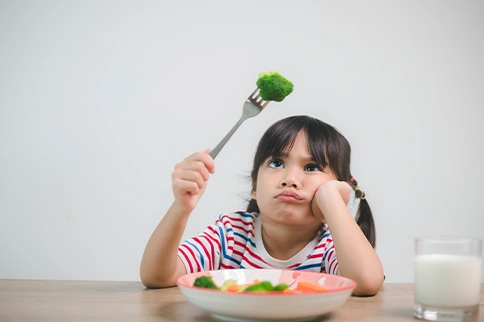
"Every meal is a battle! Your child refuses food, pushes the plate away, or says they are not hungry—again?"
While it's easy to dismiss it as picky eating, what if there's a hidden reason behind their poor appetite?
From nutritional deficiencies and digestive issues to something as common as worms in children, several underlying factors can affect your child's hunger. In this blog, we'll help you identify the warning signs, understand the possible causes, and share practical ways to naturally improve your child's appetite.
Why Do Children Become Fussy Eaters?
Not every child who refuses food is simply being picky. Appetite can fluctuate for many reasons, especially during childhood. Occasional food refusal is normal, but when it becomes a pattern, loss of appetite deserves attention.
Some common reasons include:
- Growth spurts that temporarily slow down appetite
- Recovering from a viral infection
- Constipation or digestive discomfort
- Iron or vitamin deficiencies
- Stress, anxiety, or changes in routine
- Excessive snacking between meals
- Food monotony
- Stomach worms in kids
The key is to look at the bigger picture. Is your child active? Are they losing weight? Do they complain of stomach pain or seem unusually tired? These clues can help determine whether it's simply a phase or requires medical evaluation.
Could Worms Be the Reason Behind Your Child's Poor Appetite?
One of the most overlooked causes of poor appetite among children is an intestinal worm infection.
Children are naturally curious and active. They play in parks, touch shared surfaces, forget to wash their hands, and often put their fingers in their mouths. This makes them more susceptible to picking up worm eggs from contaminated soil, food, water, or objects.
Once inside the intestine, worms feed on nutrients from the food your child eats. Over time, this can affect their digestion, reduce the nutrient absorption, and make children feel less hungry. Like other stomach infections, the discomfort is often mistaken for a passing tummy upset.
If left untreated, worms in children can contribute to nutritional deficiencies, poor weight gain, low energy levels, and recurrent stomach discomfort.
Common Worm Infection Symptoms Parents Shouldn't Ignore
Poor appetite is just one sign of a worm infection. Watch out for these symptoms that may indicate an intestinal worm infection in your child:
Persistent stomach pain
Frequent tummy aches, especially around the belly button, shouldn't be ignored.
Itching around the anus
Night-time itching is one of the most common signs of certain intestinal worms among children.
Disturbed sleep
Children may wake frequently, grind their teeth, or sleep restlessly.
Poor weight gain
Even if they eat reasonably well, children may struggle to gain weight because worms interfere with nutrient absorption, which can also make them irritable.
Fatigue and weakness
Lack of essential nutrients can leave children feeling tired and less active.
Digestive problems
Bloating, nausea, constipation, diarrhoea, or excessive gas may occur along with appetite loss.
Not every child experiences all these symptoms. Even one or two recurring signs are worth discussing with a doctor.
Natural Ways to Improve Your Child's Appetite
Improving appetite isn't about forcing your child to eat more—it's about creating the right environment for healthy eating while addressing the root cause of them losing their appetite.
1. Stick to Regular Meal Timings
Children thrive on routine. Offering meals and snacks at consistent times helps regulate their hunger cues and fosters proper eating habits.
2. Limit Junk Food and Sugary Drinks
Processed snacks and sugary beverages can fill little stomachs without providing meaningful nutrition, leaving less room for balanced meals.
3. Keep Portions Small
Large portions often overwhelm children and make them uninterested towards the meal. As parents, you can serve smaller portions and let them ask for more if they are still hungry.
4. Encourage Physical Activity
Outdoor play, cycling, swimming, or simply running around helps stimulate children's appetite naturally, as their appetite tends to increase with physical activity.
5. Reduce Mealtime Distractions
Turn off televisions, mobile phones, and tablets during meals so children can focus on eating. Also, check that they are chewing the food well, as that helps proper digestion among children.
6. Offer Balanced, Colourful Meals
As a parent, you can include:
- Whole grains
- Seasonal fruits
- Fresh vegetables
- Eggs, pulses, dairy, or lean proteins
- Healthy fats like nuts and seeds (age-appropriate)
Colourful plates often interest and encourage children to try different foods and understand their importance in their diet.
7. Keep Them Hydrated—But Wisely
Avoid giving excessive water or juice immediately before meals, as this may reduce appetite.
8. Encourage Self-Feeding
Giving children some independence at mealtime often makes eating more enjoyable and less stressful, with a sense of freedom and self-dependency.
9. Avoid Force Feeding
Pressuring children to finish every bite can make mealtimes stressful and worsen food refusal. Gentle encouragement works much better than constant persuasion.
10. Address Underlying Health Issues
If poor appetite is accompanied by recurring stomach pain, itching, poor weight gain, or fatigue, don't assume it's just fussy eating. Identifying conditions such as stomach worms in kids is essential for long-term improvement.
The Importance of Deworming Children
Regular deworming children helps reduce the risk of intestinal worm infections, especially in areas where these infections are common.
Parents can also lower the risk by encouraging simple hygiene habits such as:
- Washing hands before eating and after using the toilet
- Keeping fingernails short and clean
- Washing fruits and vegetables thoroughly
- Drinking safe, clean water
- Wearing footwear outdoors
- Maintaining clean toilets and play areas
If you suspect a worm infection, consult your doctor for an appropriate diagnosis and treatment rather than relying solely on home remedies.
Can Homeopathy help for worms?
Homeopathy takes an individualised approach to managing recurring worm infections. Rather than focusing only on the infection, treatment considers the child's overall health, digestive tendencies, immunity, and recurring symptoms.
At Dr Batra's®, experienced homeopathic doctors create personalised treatment plans designed to support overall digestive health and reduce the tendency towards recurrent infections. The treatment is gentle and child-friendly, and it aims to address the root cause while supporting your child's overall well-being. You can read more about why homeopathy is considered safe and gentle for children.
However, every child is different, and the most appropriate treatment should always be decided after a detailed medical evaluation.
When Should You See a Doctor?
One should consult a doctor if your child:
- Refuses food for several weeks
- Has recurring stomach pain
- Frequently complains of itching around the anus
- Shows signs of poor weight gain
- Appears unusually tired or weak
- Has repeated digestive problems
- Continues to have symptoms despite deworming
Early diagnosis can help prevent nutritional deficiencies and support healthy growth.
How Dr Batra's® Can Help?
At Dr Batra's®, every child undergoes a detailed consultation to understand the possible causes of poor appetite and recurring digestive concerns.
Our experienced homeopathic doctors assess your child's symptoms, eating habits, medical history, and overall health before creating a personalised treatment plan. Along with medical care, parents receive practical guidance on nutrition, hygiene, and lifestyle measures that support healthy digestion and overall growth for children. Explore the full range of children's health concerns we treat.
With over 35 years of clinical expertise, Dr Batra's® continues to provide personalised homeopathic care for children and families across the globe.
Conclusion
A child who refuses food isn’t always just a picky eater. Persistent appetite loss can sometimes point to underlying digestive concerns, including worms in children. Recognising the warning signs early, maintaining healthy eating and hygiene habits, and seeking timely medical advice can make a significant difference to your child’s growth and well-being.
If your child frequently experiences poor appetite along with recurring digestive symptoms, consult the experts at Dr Batra’s® for a personalised evaluation and a holistic treatment plan personalized to your child’s individual needs.
Frequently Asked Questions
- Why Do Children Become Fussy Eaters?
- Could Worms Be the Reason Behind Your Child's Poor Appetite?
- Common Worm Infection Symptoms Parents Shouldn't Ignore
- Natural Ways to Improve Your Child's Appetite
- The Importance of Deworming Children
- Can Homeopathy help for worms?
- When Should You See a Doctor?
- How Dr Batra's® Can Help?


Get Your Personalised Health Treatment Today


Working hours: 10am to 9pm daily.
Have Enquiries?
Leave your details and our hair therapy specialist will respond to your query shortly.