
- 2.6 Years of experience
- Hair Specialist,
- Skin Specialist
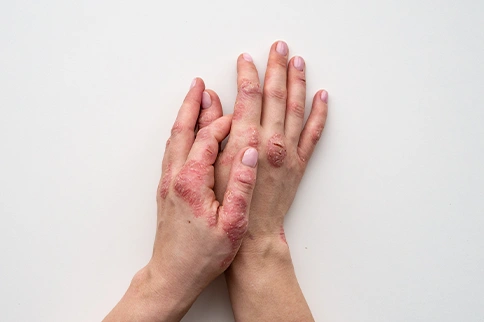
Psoriasis is a chronic autoimmune condition that accelerates skin cell turnover and causes thick, red patches covered with silvery scales. Managing environmental and lifestyle factors also helps prevent painful and itchy flare-ups. Red patches, dry skin, joint pain and itching are some of the symptoms of psoriasis. Stress, cold and dry weather, infections, skin injuries, smoking, heavy alcohol, and certain medications are some of the psoriasis triggers that need to be avoided. Avoiding psoriasis triggers helps prevent painful, itchy skin flare-ups. Since psoriasis is an immune system problem, triggers can cause the body to produce new skin cells too quickly. Managing these factors can reduce body swelling, redness, and the formation of new patches. This blog will teach us what triggers psoriasis and how to avoid the seven triggers of psoriasis.
What Causes Psoriasis?
Psoriasis is caused by an overactive immune system that mistakenly attacks healthy skin cells. The immune dysfunction accelerates skin cell growth, causing new cells to form within days and pile up on the skin surface as thick scales and plaques. The key factors that cause psoriasis include:
- Genetics: This condition runs in families, and specific inherited genes increase the risk
- Immune System: White blood cells (T cells) mistakenly trigger inflammation and rapid skin cell turnover
- Not contagious: Psoriasis is not contagious. You cannot catch it from another person, nor can you pass it.
7 Psoriasis Triggers to Avoid
It is essential to identify and avoid factors that trigger an overreaction of the immune system when managing psoriasis. Certain types of infections, skin injuries, alcohol consumption, cold and dry weather and smoking are factors that can lead to psoriasis. Knowing what are the triggers of psoriasis makes it easier to spot and avoid them before a flare-up starts.
The common triggers to manage:
- Skin trauma: Scrapes, cuts, sunburns, bug bites, piercings and tattoos can cause new patches to form.
- High stress: Emotional stress can cause the immune system to act up. This leads to sudden flares.
- Cold and dry weather: Cold temperatures and low humidity sap the moisture from the skin. This increases scaling and irritation.
- Inflammatory foods: Dairy, red meat, processed items, gluten, and nightshades can aggravate symptoms in sensitive individuals.
- Smoking: Tobacco use and exposure to second-hand smoke are linked to more frequent and severe flares.
- Infections: Illnesses like respiratory infections and strep throat can spark or worsen outbreaks.
- Alcohol: Drinking can increase total body inflammation and reduce how well your treatment works.
From Trigger to Flare: Understanding the Process
A psoriasis flare starts when an internal or external trigger mistakenly activates the immune system, signalling T-cells and other white blood cells to rush to the skin. Once there, these immune cells release inflammatory proteins that cause the body to produce skin cells rapidly. Instead of taking months to mature and shed, these cells move to the surface in just a few days. As the body cannot shed them quickly enough, the cells pile up on the skin’s surface. This results in red, raised and scaly plaques. Understanding the causes of psoriasis flare ups helps explain why the same trigger can affect different people in different ways.
How to Identify Your Psoriasis Triggers?
Identifying psoriasis flare up triggers can help prevent painful flare-ups, reduce treatment costs, and reduce skin irritation. Here’s how to identify your psoriasis triggers.
- Maintaining a daily flare-up journal can help you track your skin changes, food, stress levels, weather, and recent illnesses.
- Record the exact date, severity and location of the new skin spots
- Look back 3 to 14 days before a flare for illness, cuts and new medicines.
- Remove one suspect item or food at a time to see if your skin improves.
Tips to Help Reduce Psoriasis Flare-Ups
To reduce psoriasis flare-ups, consider the following factors.
Daily skin care
- Use warm water: Keep baths under 15 minutes and showers under 5 minutes using gentle and soap-free cleansers
- Moisturise often: Slather on a heavy cream or ointment after you dry off to lock in water.
- Stop scratching: Trim your nails short and use cold compresses or anti-itch creams to soothe raw spots
- Pat dry: For the best care of your skin, blot it gently with a soft towel rather than rub.
Lifestyle and Triggers
- Get safe sunlight: Enjoy long moments in the sun but avoid getting a sunburn
- Lower stress: Practice deep breathing, yoga and regular exercises to calm your immune system
- Eat clean food: Eat vegetables and fresh fruits while cutting back on sugary drinks and processed foods
- Use a humidifier: Add moisture to the air in your home during dry and cold weather.
Foods That May Help Manage Psoriasis
Consuming an anti-inflammatory diet rich in leafy greens, fatty fish, olive oil, whole grains, and fresh fruits may help lower systemic inflammation and manage psoriasis symptoms. Food does not help in curing the condition. However, avoiding sugar and processed foods supports overall skin health.
Key foods to include:
- Dark green leafy vegetables: Kale, spinach and chard are packed with protective antioxidants
- Fatty fish: Mackerel, salmon, and sardines provide omega-3 fatty acids that fight inflammation
- Whole grains: Barley, oats, quinoa and brown rice supply fibre to help manage inflammation and weight
- Nuts and fruits: Cherries, berries, almonds and walnuts deliver vitamins and polyphenols.
How Does Homeopathy Help Manage Psoriasis?
Homeopathy manages psoriasis through individualised, holistic care that treats the whole person rather than just the skin’s surface. Doctors aim to balance the body’s overactive immune response and address personal triggers, including lifestyle, stress, genetics, and the use of highly diluted natural remedies. The remedies are chosen based on emotional states, physical symptoms, genetic predispositions and temperament. The homeopathy treatment for psoriasis targets the underlying systemic inflammation and psychological stress, which are the common causes of flare-ups. Selection varies depending on the colour, plaque texture, location and type of itching or scaling present.
Conclusion
- Psoriasis flares happen when specific triggers activate the overactive immune response. The common triggers include skin injury, stress, cold weather, smoking, alcohol and infections.
- Simple daily habits including stress management, gentle skin care and an anti-inflammatory diet can reduce flare frequency and severity.
- Tracking your symptoms in a journal is the best way to identify your personal triggers and prevent repeated flare-ups.
- Triggers vary from one person to another. Hence, working with a qualified healthcare provider helps in building a management plan suited to you.
Frequently Asked Questions


More Articles
Trending Now
Cystic Acne: Causes, Symptoms, and Effective Treatment Options
Homeofacial vs. Peel vs. Microdermabrasion: Key Differences
Your Complete Guide to HomeoFacials
Get Your Personalised Health Treatment Today


Working hours: 10am to 9pm daily.
Have Enquiries?
Leave your details and our hair therapy specialist will respond to your query shortly.