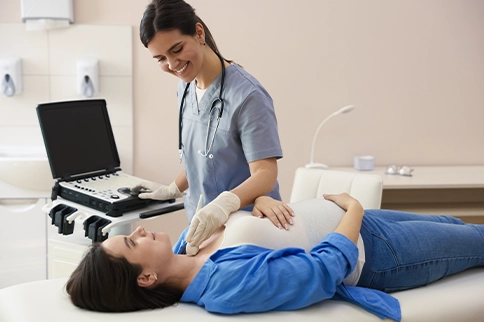
Thyroid problems in females are far more common than most people realise. According to the Indian Thyroid Society, nearly 1 in 8 women in India experience thyroid dysfunction. Yet many remain undiagnosed for months because the early signs often look like routine complaints such as fatigue, weight changes, mood swings, or menstrual irregularities. Since the thyroid regulates metabolism, hormone levels, heart rate, and energy levels, even a mild imbalance can affect multiple systems simultaneously.
Women are especially vulnerable during hormonal transition phases like puberty, pregnancy, postpartum recovery, and menopause. Autoimmune thyroid disorders are also significantly more common in females. Recognising the warning signs early can prevent long-term complications and support better hormonal balance. Here are the 10 signs of thyroid problems in females you should not ignore.
What Is a Thyroid Problem in Females?
The thyroid gland produces T3 and T4, which regulate metabolism. Too little hormone causes hypothyroidism; too much causes hyperthyroidism. Thyroid issues in women are more frequent and varied than in men because thyroid function is closely linked to reproductive hormones. This makes women more vulnerable during puberty, pregnancy, and menopause. Thyroid disorders affect approximately 42 million people in India, with women disproportionately affected.
How Does Thyroid Dysfunction Affect Women Differently?
Thyroid hormones influence heart rate, digestion, body temperature, mood, and fertility. In women, the effects of Thyroid on Other Body Systems extend into the menstrual cycle, pregnancy outcomes, and menopausal transitions. Because symptoms overlap with so many other conditions, thyroid disorders often go undetected for long periods.
What Are the 10 Signs of Thyroid Issues in Women?
Sign 1: Unexplained Weight Changes
Do unexpected weight shifts point to thyroid issues in women?
Women with hypothyroidism often find weight creeping on despite no change in diet; the slowed metabolism makes burning calories genuinely difficult. Hyperthyroidism does the opposite, causing rapid weight loss even when eating more than usual. Unexplained scale shifts in either direction warrant investigation.
Sign 2: Persistent Fatigue and Low Energy
Why does unexplained exhaustion signal thyroid issues in women?
Women with hypothyroidism describe waking after a full night's sleep still feeling completely unrested, with bone-deep exhaustion that does not improve with rest alone. Hyperthyroidism creates a different tiredness: the body runs too fast, the nervous system stays on high alert, and genuine rest becomes elusive.
Sign 3: Hair Loss and Skin Changes
Can thyroid issues in women cause visible hair and skin symptoms?
In Hypothyroidism, hair becomes dry, coarse, and brittle, shedding more than usual, and the outer third of the eyebrows may thin noticeably. In hyperthyroidism, hair becomes fine and fragile, while the skin takes on a thin, papery texture. These changes develop gradually, which is why many women attribute them to stress rather than a thyroid issue.
Dr's Pro Tip: If you notice hair thinning alongside skin texture changes, dry skin in hypothyroidism or unusually smooth, warm skin in hyperthyroidism, ask your doctor to check thyroid function alongside the usual nutritional panels.
Sign 4: Menstrual Irregularities
How do thyroid issues in women disrupt the menstrual cycle?
Hypothyroidism is associated with heavier, more painful periods; hyperthyroidism tends to cause lighter or less frequent periods that may stop altogether. Fertility can be affected in both conditions. Women with irregular cycles or difficulty conceiving should include a thyroid check in their investigation. Reviewing the Symptoms of Hypothyroidism can help cross-reference experience with thyroid function.
Sign 5: Mood Changes — Depression or Anxiety
Why do thyroid issues in women affect emotional health so significantly?
In Hypothyroidism, falling thyroid levels can reduce serotonin, causing a persistent low mood that does not respond to typical interventions. Hyperthyroidism triggers anxiety, panic attacks, and irritability. Women may be treated for mood disorders for months before anyone investigates an underlying thyroid imbalance.
Sign 6: Sensitivity to Temperature
What does temperature intolerance reveal about thyroid problems in women?
Women with Hypothyroidism feel cold even when others are comfortable; the underactive thyroid struggles to generate heat. Hyperthyroidism reverses this, leading to increased body temperature, sweating, and intolerance to cool environments.
Sign 7: Muscle and Joint Pain
Can thyroid disorders in women cause physical pain and stiffness?
Hypothyroidism causes muscle weakness, stiffness, and aches in the arms and legs; some women develop carpal tunnel syndrome from fluid retention. Hyperthyroidism causes a different weakness, loss of strength and stamina, rather than stiffness.
Sign 8: Bowel Problems
How do thyroid issues in women affect digestion and bowel function?
Hypothyroidism slows gut motility, causing chronic constipation that does not resolve easily with dietary changes. Hyperthyroidism speeds up the gut; frequent bowel movements or loose stools can be signs of an overactive thyroid.
Sign 9: Sleep Disturbances
Why do thyroid disorders interfere with quality sleep in women?
Women with hypothyroidism sleep more than ever yet wake up exhausted; some develop sleep apnoea from throat swelling. Hyperthyroidism creates the opposite: racing thoughts, night sweats, and restlessness feed a cycle of fatigue and mood disruption.
Sign 10: Cholesterol Imbalances
What do cholesterol levels tell us about thyroid issues in women?
When thyroid function is low, cholesterol accumulates in the bloodstream; elevated cholesterol unresponsive to diet or statins may indicate undiagnosed hypothyroidism. Very low cholesterol can point toward hyperthyroidism, where accelerated metabolism clears it faster than normal. Understanding the full scope of the Symptoms of Hyperthyroidism can help connect these seemingly unrelated findings.
Is Family History a Risk Factor?
Does a family history increase the risk of thyroid disease in women?
Yes. Autoimmune thyroid conditions like Hashimoto's and Graves' disease tend to run in families. If your mother, sister, or grandmother has had a thyroid condition, your risk is meaningfully higher. A family history, combined with any of the symptoms above, is a clear signal to have thyroid levels checked.
How Can Homeopathy Help with Thyroid Problems in Females?
Rather than replacing or suppressing hormones, a homeopathic doctor works to understand the root cause, emotional health, lifestyle, stress, and constitutional predispositions. At Dr Batra's, over 40 years of experience and 350+ doctors across India have supported more than 1.5 million patients. A 2023 survey of 1,000 thyroid patients in Kerala found that 37.83% chose homoeopathy, compared with 35.15% who chose conventional medicine.
Conclusion
- Thyroid problems in females are often overlooked because symptoms like fatigue, weight changes, mood fluctuations, and irregular periods can seem routine.
- These subtle signs may gradually affect metabolism, fertility, skin, hair, and emotional well-being without obvious warning.
- Recognising the ten key indicators early allows timely testing and structured intervention.
- Early evaluation helps prevent long-term hormonal imbalance and related complications.
- If several of these signs feel familiar, consult a qualified homeopathic doctor for a comprehensive thyroid assessment and personalised guidance.
Sources
- Indian Thyroid Society — Thyroid disorders affect 1 in 8 women in India.
- American Thyroid Association — Overview of thyroid disease in women, including hypothyroidism, hyperthyroidism, Hashimoto's thyroiditis, and Graves' disease.
- National Institute of Diabetes and Digestive and Kidney Diseases (NIDDK) — Hypothyroidism (Underactive Thyroid).
Frequently Asked Questions


More in Hair


Trending Now
Are thyroid and obesity related?
What are the first signs of menopause?
How Homeopathy Supports Natural Hormone
Get Your Personalised Hair Fall Treatment Today


Working hours: 10am to 9pm daily.
Have Enquiries?
Leave your details and our hair therapy specialist will respond to your query shortly.