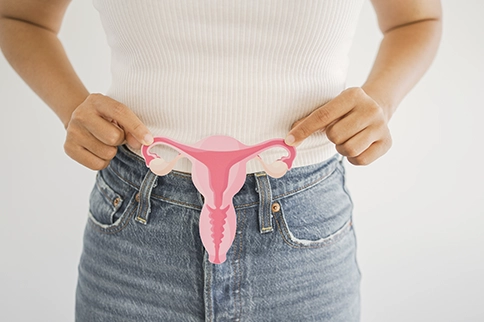
PCOS is becoming alarmingly common among Indian women, yet many remain unaware of what sets it off. Recent Indian studies suggest prevalence rates ranging from 8% to 22%, depending on region and diagnostic criteria. The causes of PCOS typically involve hormonal imbalances, insulin resistance, genetic predisposition, and chronic stress, which together disrupt normal ovarian function.
Research in the International Journal of Health Sciences and Research confirmed that some clinical studies suggest that homeopathic treatment combined with lifestyle modification may help improve PCOS symptoms . Understanding the causes of PCOS in female patients is the first step toward lasting relief.
How Do Genetics Play a Role in PCOS?
Family history plays a major role among the triggers of this condition. If your mother or sister has this condition, your risk of developing it rises substantially. Researchers have identified several genes associated with PCOS, though the full genetic profile remains under study. The causes of PCOS and PCOD often trace back to your DNA long before symptoms surface. Knowing your family history helps you and your homeopathic doctor stay ahead through early screening and preventive care.
Why Is Insulin Resistance a Main Cause of PCOS?
Insulin resistance stands out as a main cause of PCOS in a large percentage of affected women. When the body stops responding well to insulin, blood insulin levels rise, stimulating the ovaries to produce excess androgens.
This hormonal domino effect disrupts ovulation and triggers weight gain. Addressing insulin resistance through diet, physical activity, and targeted treatment makes a real difference in managing the cause of PCOS disease at its root.
Can Inflammation and Hormonal Imbalances Trigger PCOS?
Low-grade chronic inflammation is common in affected women. It stimulates the ovaries to produce excess androgens, worsening acne and unwanted hair growth. Inflammation interacts with other underlying factors, like insulin resistance, to create a vicious cycle.
Elevated androgens disrupt ovulation directly, while an imbalance between LH and FSH further disturbs menstrual regularity. A homeopathy specialist can assess your hormonal profile and recommend treatment that gently restores balance.
Do Lifestyle and Environmental Factors Cause PCOS?
Modern lifestyles contribute significantly to this condition in female patients. Sedentary routines, poor dietary habits, and excess weight worsen insulin resistance. Processed foods high in refined carbohydrates pour fuel on the fire.
Emerging research suggests that endocrine-disrupting chemicals may influence hormonal regulation. Reducing exposure while improving daily food and movement habits can meaningfully lower your risk.
How Does PCOS Affect Women at Different Ages?
PCOS looks different at every life stage:
- Adolescence (13-19): Excessive hair growth, irregular periods, and sudden weight gain.
- Young Adults (20-30): Fertility challenges, irregular cycles, oily skin, and hair thinning.
- Middle Age (30-40): Metabolic complications like diabetes, alongside menstrual irregularities and hair loss.
- Perimenopausal (40+): In perimenopausal years, metabolic risks may persist even as cycles become irregular
What Are the Key Risk Factors Linked to PCOS?
- Family history: A mother or sister with PCOS points to a strong genetic link.
2. Obesity or excess weight: Extra weight worsens insulin resistance, leading to irregular periods.
3. Early menstruation: Early puberty may be associated with higher hormonal fluctuations. - Chronic stress – contributes but does not directly cause PCOS. Your wording is acceptable, but avoid implying direct causation.
Dr Batra's® Pro Tip
Homeopathy works by gently restoring hormonal equilibrium, helping regularise periods, and easing PCOS symptoms such as acne and unwanted hair growth. It supports your body's healing and is considered gentle when prescribed appropriately.
How Does Dr Batra's® Help Women With PCOS?
1. Comprehensive PCOS Consultation
Your journey starts with a 60-minute detailed consultation. Our doctors take the time to understand your symptoms, menstrual history, weight changes, lifestyle habits, stress levels, and overall health concerns. This detailed evaluation forms the foundation for a personalised homeopathy treatment plan for PCOS.
2. Detailed Hormonal Assessment
We carefully review ultrasound reports, hormonal profiles, and physical indicators associated with PCOS. This step helps identify the specific pattern of hormonal imbalance, allowing our doctors to select the most appropriate homeopathic medicines personalised to your condition.
3. Personalised Treatment Plan
Based on your clinical findings and individual health profile, a customised care plan is designed. This includes targeted homeopathic medicines for PCOS, along with practical nutritional advice, lifestyle corrections, and stress management support to enhance overall hormonal balance.
4. Ongoing Monitoring and Progress Evaluation
Your progress is tracked through structured outcome reports, supported by follow-up investigations, clinical assessments, and symptom improvements. This ensures transparency, helps measure treatment response, and enables timely adjustments for better long-term results.
Why Choose Homeopathic Treatment for PCOS?
PCOS affects more than hormones. It impacts health, confidence, and daily life.Homeopathy aims to address underlying hormonal imbalances and support symptom management.
- Holistic Care – Corrects hormonal imbalance with homeopathic medicine for PCOS.
- Safe & Gentle – Natural remedies, free from chemicals, including the best homeopathic medicine for PCOS.
- Personalised Treatment – Tailored to your physical and emotional needs with homeopathic medicine for PCOS
- Long-Lasting Results – Focused on sustainable health and overall well-being through homeopathy for PCOS.
- Fertility Support – Helps regulate cycles and improve reproductive health naturally.
- Lifestyle Integration – Combined with diet, stress management, and holistic guidance for better outcomes.
Disclaimer: Self-medication is strongly discouraged. Homeopathic medicines should be taken only under the guidance of a qualified medical practitioner. Remedies are prescribed based on individual symptoms, medical history, and overall health, and may vary from person to person. Results may vary depending on the severity of the condition and individual response to treatment.
Conclusion
- PCOS affects hormones, metabolism, fertility, and emotional health.
- Early, personalised care improves long-term outcomes.
- Root-cause treatment supports sustainable hormonal balance.
- Lifestyle and medical guidance together enhance results.
Frequently Asked Questions
- What Are the Leading Causes of PCOS?
- How Do Genetics Play a Role in PCOS?
- Why Is Insulin Resistance a Main Cause of PCOS?
- Can Inflammation and Hormonal Imbalances Trigger PCOS?
- Do Lifestyle and Environmental Factors Cause PCOS?
- How Does PCOS Affect Women at Different Ages?
- What Are the Key Risk Factors Linked to PCOS?
- How Does Dr Batra's ®Help Women With PCOS?
- Why Choose Dr Batra's® for PCOS Treatment?
- FAQs


More in Hair

Trending Now
Are thyroid and obesity related?
What are the first signs of menopause?
How Homeopathy Supports Natural Hormone
Get Your Personalised Health Treatment Today


Working hours: 10am to 9pm daily.
Have Enquiries?
Leave your details and our hair therapy specialist will respond to your query shortly.