 Medically reviewed by
Dr. Vaishali Kamat
20+ years of experience Dermatologist , Hair Specialist, Skin Specialist
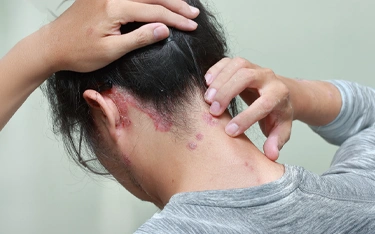
If you've noticed itchy, flaky patches on your scalp, you might be dealing with scalp psoriasis. Scalp psoriasis occurs when the immune system mistakenly targets healthy skin cells, leading to rapid cell turnover and inflammation. Unlike dandruff, it appears as thick, silvery-white scales that can cause intense itching and, in some cases, hair loss.
Understanding the causes of scalp psoriasis, identifying triggers, and following the right treatment approach can help manage symptoms effectively. This blog explores what causes scalp psoriasis, common triggers, risk factors, and how homeopathy can provide lasting relief.
What Causes Scalp Psoriasis?
Scalp psoriasis is an autoimmune disorder that results from an overactive immune system. While the exact cause is unknown, several key factors contribute to its onset:
- Genetic Predisposition : If a family member has psoriasis, the risk of developing scalp psoriasis increases.
- Immune System Dysfunction : The body mistakenly attacks healthy skin cells, triggering excessive growth.
- Inflammatory Response : Certain conditions like arthritis or chronic inflammation can increase the risk.
Explore Scalp Psoriasis Homeopathy Treatment for natural and long-term relief.
Dr Batra’s® pro tip:
To manage scalp psoriasis, use gentle shampoos, avoid harsh treatments, manage stress, and eat an anti-inflammatory diet.
Common Triggers for Scalp Psoriasis Flare-ups
While genetics and immune dysfunction play a role, certain symptoms can cause flare-ups
Stress and Its Impact on Immune Response
High stress levels can weaken the immune system and worsen psoriasis symptoms. Practicing meditation and yoga can help manage flare-ups.
Infections and Their Role in Triggering Psoriasis
Bacterial and viral infections like strep throat can stimulate an overactive immune response, triggering scalp psoriasis.
Effects of Alcohol and Smoking on Scalp Psoriasis
Excessive alcohol consumption and smoking can lead to inflammation and reduce the effectiveness of treatments.
Cold, Dry Weather and Environmental Factors
Winter months bring low humidity and cold air, leading to dry, irritated skin and increased flaking.
Medications That May Worsen Scalp Psoriasis
Certain medications, including beta-blockers, lithium, and antimalarial drugs, can trigger or worsen psoriasis symptoms.
Learn more about Scalp Psoriasis and its impact on hair health.
Risk Factors Associated with Scalp Psoriasis
Certain factors increase the likelihood of developing scalp psoriasis, including:
- Obesity and Metabolic Syndrome: Excess body weight contributes to chronic inflammation, worsening psoriasis symptoms.
- Other Autoimmune Disorders and Their Link to Psoriasis: Individuals with thyroid disorders, rheumatoid arthritis, or type 1 diabetes have a higher risk of developing scalp psoriasis.
- Hormonal Changes and Their Effect on Psoriasis: Fluctuations in hormones, especially during pregnancy, puberty, or menopause, can lead to psoriasis flare-ups.
How Scalp Psoriasis Differs from Other Scalp Conditions
- Seborrheic Dermatitis vs. Scalp Psoriasis
While both conditions can cause flaking, seborrheic dermatitis is oily with yellowish scales, whereas scalp psoriasis has dry, thick, silvery patches. - Eczema and Allergic Reactions
Eczema causes intense itching and redness, but scalp psoriasis results in scaly, well-defined plaques. - Fungal Infections and Their Similarities
Fungal infections like ringworm can mimic scalp psoriasis but often include red patches with hair loss in circular patterns.
Preventing Scalp Psoriasis Flare-ups
- Diet and Lifestyle Modifications
Include anti-inflammatory foods like omega-3-rich fish, turmeric, and green leafy vegetables. Avoid processed foods, alcohol, and high-sugar diets. - Importance of Scalp Hygiene
Use gentle, sulfate-free shampoos. Avoid scratching or picking at scalp plaques. - Stress Management Techniques
Practice deep breathing exercises and mindfulness techniques. Engage in physical activities to reduce stress levels. - Choosing the Right Hair Care Products
Opt for medicated shampoos with coal tar or salicylic acid. Avoid hair dyes with harsh chemicals.
Homeopathic Treatment for Scalp Psoriasis
Unlike conventional treatments that rely on steroids and immunosuppressants, homeopathy provides a natural and long-term approach to managing scalp psoriasis:
- Stimulates the body’s healing capacity to restore immune balance.
- Reduces inflammation and itching without side effects.
- Strengthens immunity to prevent frequent flare-ups.
- Prevents long-term complications without damaging the liver or kidneys.
Discover how Homeopathic Skin Treatment can help manage psoriasis naturally.
Why Choose Dr Batra’s® for scalp psoriasis treatment?
- Personalised Homeopathic Treatment : Tailored to individual symptoms and triggers.
- Clinically Proven Success : Effective in managing psoriasis without side effects.
- Holistic Approach : Treats the root cause rather than just symptoms.
- Trusted by Over 6 Lakh+ Patients : Years of expertise in homeopathy.
Top Celebrities Trust Homeopathy!
Listen and get inspired by what these top celebrities have to say about Dr Batra’s® and their belief in homeopathy




Choose safe and side-effect-free skin care
Book an AppointmentConclusion
- Scalp psoriasis is an autoimmune condition with genetic and environmental triggers.
- Common triggers include stress, infections, medications, and weather changes.
- Prevention includes a healthy diet, scalp hygiene, and stress management.
- Homeopathy offers a safe and long-term solution for scalp psoriasis.
For expert guidance, consult Dr Batra’s® today for a personalised homeopathic treatment plan.
Frequently Asked Questions
- What Causes Scalp Psoriasis?
- Common Triggers for Scalp Psoriasis Flare-ups
- Risk Factors Associated with Scalp Psoriasis
- How Scalp Psoriasis Differs from Other Scalp Conditions
- Preventing Scalp Psoriasis Flare-ups
- Homeopathic Treatment for Scalp Psoriasis
- Why Choose Dr Batra’s® for scalp psoriasis treatment?
- FAQs


More in Hair
Trending Now
How to Reduce Acne Scars Naturally and Effectively
10 most common skin disorders
Remedy for itchy skin at night
Get Your Personalised Health Treatment Today


Working hours: 10am to 9pm daily.
Have Enquiries?
Leave your details and our hair therapy specialist will respond to your query shortly.