Google
star
4.7 across 200 clinics

An Overview of Allergic Rhinitis

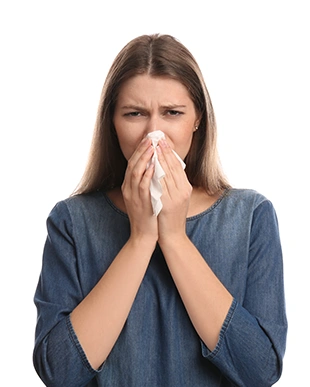
Allergic rhinitis is more than just sneezing. It is an immune overreaction to everyday triggers like dust, pollen, pollution, or pet dander. At Dr Batra’s®, our approach to allergic rhinitis focuses on correcting immune sensitivity, reducing recurrence, and supporting long-term respiratory comfort rather than relying only on temporary allergic rhinitis medication.

Book an Appointment

Get a detailed consultation at just ₹499/-

Left
Right

Why Choose Dr Batra’s® for Allergic Rhinitis Care

Because long-term relief from allergic rhinitis should come from correcting the immune imbalance, not suppressing symptoms for life.

✓ 40+ Years of Clinical Expertise
With decades of experience and lakhs of treated patients, our allergic rhinitis protocols are standardised, monitored, and outcome-driven across 200+ clinics.

✓ Focus on Allergic Rhinitis Causes
Instead of masking allergic rhinitis symptoms, we evaluate immune sensitivity, environmental triggers, stress, lifestyle, and medical history to identify root causes of allergic rhinitis.

✓ Reduced Dependency on Allergic Rhinitis Medication
Our goal is to gradually reduce repeated reliance on antihistamines or steroid-based allergic rhinitis medication by improving immune tolerance naturally.

✓ Safe, Non-Invasive & Gentle
Homeopathy works by supporting the body’s adaptive immune response without sedation, dependency, or suppression.

✓ Personalised Care Model
Every case of allergic rhinitis differs in triggers and intensity. Treatment plans are customised to symptom pattern, frequency, and immune profile.

✓ 350+ Experienced Doctors
Qualified homeopathic doctors ensure continuous monitoring, measurable progress, and patient-focused allergic rhinitis care.

Available across 200+ clinics in India, UK, UAE, Bangladesh, Thailand, Malaysia & Bahrain.

Our Homeopathic Approach for Allergic Rhinitis

At Dr Batra’s®, allergic rhinitis management is structured, progressive, and root-focused.

1
 
 
Comprehensive Consultation
A detailed evaluation of allergic rhinitis symptoms, including sneezing, congestion, postnasal drip, sleep disturbance, and seasonal patterns.
2
 
 
Trigger & Immune Assessment
We assess exposure to dust, pollen, pollution, mold, and food sensitivities to understand allergic rhinitis causes and flare patterns.
3
 
 
Personalised Treatment Plan
Care is customised based on severity, chronicity, immune reactivity, and associated respiratory concerns.
4
 
 
Integrated Support
Along with homeopathic care, patients receive guidance on lifestyle changes, dietary adjustments, and stress regulation to minimise recurrence.
5
Measurable Tracking
Symptom scores, clinical observations, and follow-ups ensure transparent monitoring and a gradual reduction in allergic rhinitis symptoms.

What makes us different: Our structured allergic rhinitis care aims to improve breathing comfort, enhance immune resilience, and reduce flare frequency, not just provide short-term suppression.

Consultation
Assessment
Treatment Plan
Support
Tracking

Signs & Common Allergic Rhinitis Symptoms

Recognising allergic rhinitis symptoms early allows better control and prevention of complications:

Slide 1

Repeated sneezing, especially in the mornings

Slide 2

Persistent nasal congestion

Slide 3

Clear runny nose

Slide 4

Itchy, watery, or red eyes

Slide 5

Postnasal drip and throat irritation

Slide 6

Sinus pressure or headaches

Slide 7

Fatigue from disturbed sleep

What Are the Allergic Rhinitis Causes?

Allergic rhinitis develops when the immune system reacts excessively to harmless environmental particles. Understanding the causes is essential for long-term control.

Environmental Allergens

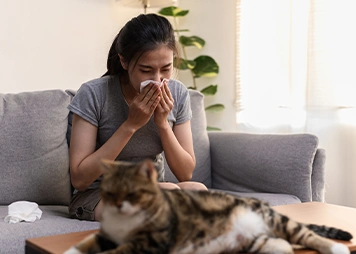
Pollen, dust mites, and animal dander are common allergic rhinitis triggers that provoke immune responses.

Pollution Exposure
Pollution Exposure

Urban pollutants irritate the nasal lining, increasing immune hypersensitivity and allergic reactions.

Genetic Predisposition

A family history of allergies increases susceptibility to allergic rhinitis.

Immune Overactivity
Immune Overactivity

An exaggerated immune response amplifies allergic rhinitis symptoms such as sneezing, congestion, and watery eyes.

Seasonal Shifts
Seasonal Shifts

High pollen counts during specific months can worsen flare-ups and increase allergy severity.

Indoor Irritants
Indoor Irritants

Mold, carpets, air conditioners, and humidity trap allergens indoors, triggering allergic rhinitis symptoms.

Types of Allergic Rhinitis We Manage

Seasonal Allergic Rhinitis

Seasonal Allergic Rhinitis – Triggered during pollen-heavy seasons, leading to sneezing and watery eyes

Perennial Allergic Rhinitis

Perennial Allergic Rhinitis – Year-round symptoms caused by indoor allergens

Occupational Allergic Rhinitis

Occupational Allergic Rhinitis – Triggered by workplace irritants such as dust, chemicals, or fumes

Mixed Allergic Rhinitis

Mixed Allergic Rhinitis – A combination of seasonal and perennial triggers

Frequently Asked Questions

Allergic rhinitis is a chronic immune sensitivity, and a complete “permanent cure” depends on the individual's immune response, duration, and exposure to triggers. However, by identifying the causes of allergic rhinitis and correcting immune overactivity, most patients experience a significant and sustained reduction in symptoms within 3–6 months of structured care.
Allergic rhinitis is triggered by allergens like pollen, dust, or pet dander and involves an immune response. Non-allergic rhinitis is not caused by allergens and doesn’t involve the immune system; it can be triggered by irritants such as smoke, strong odours, changes in weather, or certain medications.
With consistent treatment that focuses on immune modulation and trigger control, patients often gradually reduce their reliance on antihistamines and steroid-based allergic rhinitis medication. The goal is long-term stability and fewer flare-ups, rather than repeated short-term symptom suppression.
Homeopathic care for allergic rhinitis is non-sedative, non-habit forming, and does not cause dependency. Unlike some allergic rhinitis medications that may cause drowsiness or dryness, this approach gently regulates the immune response without suppressing natural defence mechanisms, making it suitable for people of all ages.
Initial improvement in allergic rhinitis symptoms such as sneezing, nasal congestion, or watery discharge may begin within 3–4 weeks. Consistent progress usually becomes clearer over 2–3 months as the causes of allergic rhinitis are addressed and immune sensitivity gradually stabilises.
Yes. Allergic rhinitis is common in children, especially during seasonal changes or exposure to pollution. Homeopathic care is gentle and age-appropriate, helping reduce allergic rhinitis symptoms and dependence on frequent allergic rhinitis medication while supporting natural immune balance safely.
There are two types of allergic rhinitis: seasonal (triggered by specific pollen seasons) and perennial (triggered by indoor allergens such as dust mites, pet dander, and mould). A person may also develop episodic allergic rhinitis when exposed to allergens in specific environments.
Simple lifestyle changes, like wearing a mask to reduce exposure to dust and pollen, rinsing your nose with saline, keeping windows closed on high-pollen days, showering after being outdoors, and using an air purifier, can reduce symptoms and flare-ups at home.

References

Get Your Personalised Bronchitis Treatment Today

Location Icon
Locate Your Nearest Clinic Before
Working hours: 10am to 9pm daily.
Eval test Icon
Take a Free Hair Health Evaluation Before
Get answers about hair fall treatment in under 5 minutes!

Get a call back from our Health advisor

Consult a Allergic Rhinitis expert now

I understand and accept the terms and conditions