
- 28+ Years of experience
- Dermatology,
- Hair Specialist,
- Oncology,
- Pediatrics,
- Skin Specialist
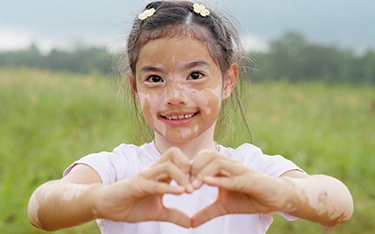
Many people wonder, is vitiligo hereditary Research suggests that vitiligo has a genetic component, meaning it can run in families, but inheritance patterns are complex. While genes play a role, environmental and autoimmune factors also contribute to its development.
This blog explores whether vitiligo is genetic or not, how it is inherited, and what can be done to manage it effectively, especially through homeopathic treatment for vitiligo.
Is Vitiligo a Genetic Disease?
Vitiligo is classified as an autoimmune disorder with a genetic predisposition. Studies show that around 30% of vitiligo patients have a family history of the condition, suggesting a strong hereditary component.
However, not everyone with a genetic predisposition develops vitiligo. External factors such as stress, sun exposure, and immune system triggers often influence its onset.
Learn more about Vitiligo Skin Care to manage symptoms effectively.
How Is Vitiligo Inherited?
Vitiligo does not follow a simple dominant or recessive inheritance pattern. Instead, multiple genes contribute to the likelihood of developing the condition. If one parent has vitiligo, their child has a higher risk, but it is not guaranteed.
Key genetic findings:
- Autoimmune Link : Families with a history of vitiligo may also have conditions like thyroid disorders, type 1 diabetes, or rheumatoid arthritis.
- Gene Variants : Certain genes like NLRP1 and PTPN22 are linked to vitiligo development.
- Multiple Gene Involvement : Unlike single-gene disorders, vitiligo involves complex genetic interactions.
Explore Homeopathic Treatment for Vitiligo to manage hereditary cases naturally.
Environmental and Autoimmune Triggers
Even with a genetic predisposition, vitiligo does not always appear unless triggered by:
- Physical or Emotional Stress : Sudden trauma can trigger immune responses.
- Sunburn or Skin Injury : Damage to melanocytes may start depigmentation.
- Chemical Exposure : Certain substances can cause skin irritation and immune reactions.
- Nutritional Deficiencies : Lack of vitamin B12, iron, and folate may contribute.
Dr Batra’s® pro tip:
“If vitiligo runs in the family, start early with sun protection, stress control, and homeopathy to reduce the risk of patches.”
Managing Hereditary Vitiligo
For individuals with a family history of vitiligo, preventive care is essential:
- Regular Skin Checks : Monitor for early white patches.
- Healthy Diet : Include foods rich in antioxidants, iron, and folate.
- Sun Protection : Avoid excessive sun exposure and use SPF.
- Stress Management : Yoga, meditation, and relaxation techniques.
- Early Homeopathic Treatment : Strengthens immunity to prevent flare-ups.
Why Choose Homeopathy?
Homeopathy addresses vitiligo holistically by strengthening immunity and balancing melanin production.
- Regulates Autoimmune Responses : Prevents melanocyte destruction.
- Supports Pigmentation : Helps restore skin’s natural color.
- No Harsh Side Effects : Gentle and long-term management solution.
- Personalized Care : Treatment plans based on individual health history.
Top Celebrities Trust Homeopathy!
Listen and get inspired by what these top celebrities have to say about Dr Batra’s® and their belief in homeopathy


Choose personalised, side-effect-free treatment with Dr Batra’s®
Book an AppointmentConclusion
- Vitiligo is genetic but influenced by environmental factors.
- A family history increases risk, but it is not always inherited.
- Preventive care, stress management, and sun protection help in delaying its onset.
- Homeopathy offers a natural, side-effect-free solution for managing hereditary vitiligo.
For expert guidance on hereditary vitiligo management, consult Dr. Batra’s today for a personalised homeopathic treatment plan.
Frequently Asked Questions


More in Hair
Trending Now
How to Reduce Acne Scars Naturally and Effectively
Best shampoos for scalp psoriasis
10 most common skin disorders
Get Your Personalised Health Treatment Today


Working hours: 10am to 9pm daily.
Have Enquiries?
Leave your details and our hair therapy specialist will respond to your query shortly.