
- 9.5 Years of experience
- Hair Specialist,
- Skin Specialist
Get AI Powered Quick Summary




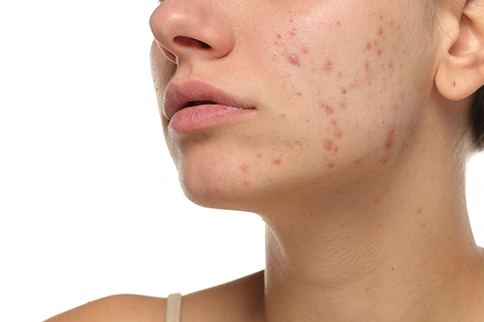
Are you tired of covering up acne scars every morning and feeling like nothing really works? To treat raised bumps, ice pick marks, or uneven texture effectively, you need to understand what's happening beneath the surface and how to remove acne scars for good. Acne scars are permanent changes in skin texture and lasting marks left behind after severe or inflamed acne heals. This happens when the skin fails to repair tissue properly, leading to tissue loss or overproduction of collagen. In this blog, we explore how acne scars are more than skin-deep, what commonly causes them, and how you can prevent, treat, and manage them effectively, including through skincare for acne scars and acne scar homeopathic treatment.
Causes of Acne Scars
Understanding the underlying acne scar causes is the first step toward effective prevention and treatment. Acne scars develop when severe inflammation from deep blemishes, such as cysts and nodules, damages the underlying skin tissue. Here's a closer look at what causes them.
Causes and risk factors
1. Picking and popping
Squeezing and popping pimples pushes the bacteria and infection deeper into the skin. This worsens the damage
2. Deep inflammation
The pores break down from intense swelling. They destroy the healthy tissues and underlying collagen fibres.
3. Genetics
Family history plays a key role in how your skin naturally heals and produces collagen after an injury.
4. Delayed treatment
If you wait to treat the inflammatory breakout, then it increases the chance of permanent structural skin changes.
Different Types of Acne Scars
Acne scars fall into two main categories, depending on how the skin heals. Atrophic (depressed) scars result from a loss of collagen, while hypertrophic or keloid (raised) scars result from excess collagen. Below are different types.
Atrophic (depressed) scars
1. Boxcar scars
Wide, round and oval depressions with steep and sharply defined vertical edges
2. Ice pick scars
Narrow, deep and V-shaped pits that extend far down into the skin, and they look like small punctures
3. Rolling scars
Shallow and broad indentations with sloping edges that create a wavy and uneven skin texture.
Raised scars
- Keloids: Thick and severe overgrowths of scar tissue that grow larger and spread past the edges of the original breakout.
- Hypertrophic scars: Firm and raised bumps of excess tissue that stay within the boundaries of the original acne wound.
Non-Scar Discolouration (Marks)
1. Post-inflammatory erythema (PIE)
Flat pink or red marks that are left behind by healed and inflamed acne
2. Post-inflammatory hyperpigmentation (PIH)
Flat brown and dark spots left behind after inflammation. These are pigment changes, not structural scars.
Common Habits That May Increase the Risk of Acne Scarring
Certain daily actions can turn a simple breakout into a lasting and permanent mark. Below are some of the habits that can increase the risk of acne scarring.
1. Picking and popping
Squeezing and forcing a blemish pushes the infected material beneath the skin's surface, which increases inflammation and leads to deeper tissue damage.
2. Rubbing sweat
Wiping off sweat from your face during a workout irritates active breakouts.
3. Rough scrubbing
Using harsh physical scrubs or abrasive face tools tears the delicate skin barrier and delays natural healing.
4. Switching to products too fast
Trying out new treatments every week or constantly changing your routine can prevent your skin from healing and adjusting.
5. Over-drying the skin
Using harsh alcohol-based products and layering too many strong acid treatments leads to inflammation and extreme irritation.
6. Delayed professional care
Waiting too long to see a doctor for nodules and deep cysts can lead to severe damage, making permanent textural changes much more likely
7. Using heavy pore-clogging makeup
Piling thick makeup over active breakouts to hide them can trap bacteria and oil. This worsens the initial infection
How to Prevent Acne Scars?
To prevent acne scars, never pick or pop pimples, as this increases inflammation and drives bacteria deeper into the skin. Here are some habits to help stop scars before you need to look into how to remove acne scars later on.
1. Wear SPF daily
Ultraviolet rays darken the post-acne marks and prolong the skin's natural healing response.
2. Do not squeeze
If you squeeze and break the follicle walls, it may cause deep tissue damage and permanent indented or raised scars.
3. Keep the skin hydrated
Use non-comedogenic moisturisers to support the skin barrier while using drying acne treatments.
4. Avoid harsh scrubs
Harsh physical exfoliants can damage the delicate skin and intensify existing inflammation
Skincare Tips for Acne-Prone and Scar-Prone Skin
The right skincare for acne scars is about more than fading marks, it's a balanced routine that reduces inflammation, clears active breakouts and promotes cell turnover without damaging the skin barrier. Here are the skincare tips for acne-prone and scar-prone skin.
- Do not squeeze pimples, as it pushes the bacteria deep into the skin. This worsens tissue damage and can create permanent scars.
- Wash your face twice daily using a mild cleanser and your fingertips. Avoid harsh physical scrubs that inflame the active acne.
- UV rays darken the post-acne marks and make the scars stand out more. Apply a good sunscreen with SPF every morning.
- Skipping your lotion can force your skin to produce more oil. Use an oil-free and lightweight moisturiser to keep your skin barrier strong.
When Should You Seek Professional Help?
Seek professional help if your home skincare fails, active breakouts cause new damage, and they also cause emotional distress. Here are the signs you need professional help.
1. Active and painful acne
Ongoing cysts or deep pimples mean new scars may form while old ones heal.
2. Deep and pitted texture
Scars that look like holes, sharp pits and wide depressions do not improve with basic creams.
3. Active or painful acne
Deep pimples and ongoing cysts indicate new scars may form while the old ones heal.
4. Raised or lumpy skin
Firm, thick and growing scars need medical treatment like steroid shots to flatten them
5. Emotional stress
If the marks on your skin make you anxious, sad, or low on confidence, a doctor can help you find relief.
6. No results from store products
If over-the-counter fading creams or acids do not work after a few months, prescription options are stronger and safer.
How Does Homeopathy Help Treat Acne Scars?
Acne scar homeopathic treatment relies on individualised natural remedies to reduce skin inflammation, balance inner health, and improve tissue healing. Homeopathic doctors select remedies based on your specific symptom pattern to help fade dark marks and smooth uneven skin texture. Here is how homeopathic treatment works.
1. Deep healing
Internal remedies aim to correct the root imbalances that cause poor skin repair and chronic inflammation.
2. Individual care
The remedies match your unique physical and emotional traits rather than just a skin mark.
3. Reduced oil production
The treatment helps balance sebum levels to stop new breakouts from forming.
Conclusion
- Acne scars form when deep inflammation from nodules and cysts damage the skin tissue. This leads to either lost collagen or excess collagen.
- Habits like over-exfoliation, picking and delayed treatment can turn the temporary breakouts into permanent marks.
- Avoiding harsh products, using daily sun protection and following gentle skincare for acne scars are key to preventing new scars from forming.
- Pain, persistence and emotional distress from scars are signs to consult a professional rather than relying only on home remedies about how to remove acne scars.
- With the right combination of skincare, prevention and treatments, including acne scar homeopathic treatment for underlying skin health, visible improvement is possible.
Frequently Asked Questions


More Articles
Trending Now
Cystic Acne: Causes, Symptoms, and Effective Treatment Options
Homeofacial vs. Peel vs. Microdermabrasion: Key Differences
Your Complete Guide to HomeoFacials
Get Your Personalised Health Treatment Today


Working hours: 10am to 9pm daily.
Have Enquiries?
Leave your details and our hair therapy specialist will respond to your query shortly.