

- 28+ Years of experience
- Dermatology,
- Hair Specialist,
- Oncology,
- Pediatrics,
- Skin Specialist
Get AI Powered Quick Summary




Itching, redness, scaling, and bumps are common signs of skin disease. Recognising these physical and visual symptoms early can help identify the underlying condition and seek timely treatment. Below are the signs and symptoms of the most common skin disorders. A clinical study published in the Indian Journal of Research in Homeopathy found that individualised homeopathic treatment significantly improved symptoms and quality of life in patients with various chronic skin conditions, without adverse effects. At Dr Batra's®, our qualified homeopathic doctors create personalised treatment plans after in-depth consultation and skin analysis. In this blog, we will understand the 10 most common skin disorders.
What Causes Common Skin Disorders?
Common skin disorders arise from a mix of immune system issues, genetics, environmental triggers, and infections. The specific causes vary by condition, such as clogged pores that lead to acne or immune responses driving psoriasis. The main causes of skin problems are:
- Infections: Fungi, bacteria, viruses and parasites get trapped in the pores or hair follicles, which can cause issues such as ringworm or warts.
- Genetics: Family history increases the risk for conditions such as psoriasis and eczema
- Immune system: The body mistakenly attacks its own healthy cells in autoimmune conditions such as vitiligo and psoriasis.
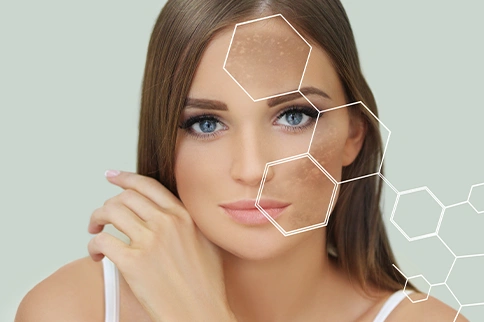
- Hormones: Shifts during pregnancy or changes in oil production trigger melasma or acne.
- Allergies and irritants: Among the most common skin rash causes and skin irritation causes are contact with chemicals, harsh soaps, pollen, and synthetic fabrics, these trigger hives, rashes, and contact dermatitis.
- Environment: Exposure to ultraviolet sun exposure, pollution and harsh weather dries out or damages the skin cells.
Types of Skin Disorders
There are several types of skin diseases, ranging from mild to chronic. Infections cause some, while others are linked to lifestyle, allergens, or underlying health issues. Explore more Causes of Skin Infections
1. Acne
Acne is the most common skin disorder, caused by blocked hair follicles and oil glands, often triggered by hormones. It typically affects teens but can occur at any age.
2. Dermatitis (Eczema, Diaper Rash & Contact Dermatitis)
Dermatitis refers to skin inflammation, including atopic dermatitis (eczema)—a chronic condition causing dry, itchy skin, often linked to allergies. Diaper rash affects babies due to prolonged exposure to moisture, leading to redness and irritation. Contact dermatitis occurs when the skin reacts to allergens like soaps, latex, or metals, causing itching and rashes.
3. Shingles
A painful viral infection caused by the varicella-zoster virus. It presents as a blistering rash, often accompanied by fever and fatigue.
4. Hives
Raised, itchy red welts often triggered by allergic reactions to foods, medicines, or insect bites.
5. Sunburn
Red, inflamed skin caused by overexposure to UV rays. Severe cases can lead to blisters or skin peeling.
6. Rosacea
A chronic inflammatory condition, mostly affecting the face. It causes redness, bumps, and visible blood vessels, especially in middle-aged women.
7. Tinea
A fungal skin infection that causes red, itchy, and scaly patches, commonly found on the feet (athlete's foot), groin (jock itch), or scalp (ringworm).
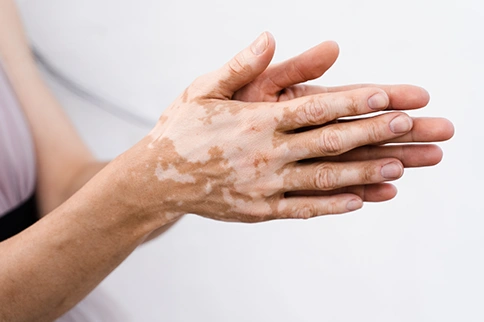
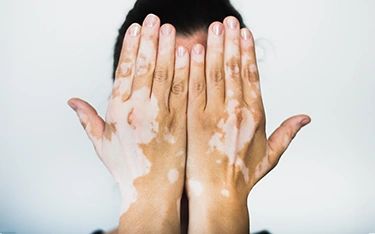
8. Vitiligo
An autoimmune condition where the skin loses pigment, leading to white patches. It occurs when melanocytes (pigment-producing cells) are destroyed.
9. Psoriasis
A chronic autoimmune disease that speeds up skin cell turnover, causing thick, scaly patches, redness, and inflammation, often on the scalp, elbows, and knees
10. Basal Cell Carcinoma
A type of skin cancer caused by prolonged sun exposure. Appears as shiny or scaly patches, mostly on the head, neck, or ears. Early diagnosis is critical
Explore more Common skin care mistakes
Signs and Symptoms of Common Skin Disorders
Itching, redness, scaling, and bumps are common symptoms of skin disorders. Recognising these physical and visual symptoms helps identify the conditions early and seek timely treatment. Below are the signs and symptoms of the common skin disorders.
1. Eczema (Atopic Dermatitis)
- Intense itching
- Dry, red, or cracked patches of skin
- Swelling, scaling, or weeping clear fluid
2. Psoriasis
- Thick, raised areas of skin
- Silvery-white scales over red patches
- Dry skin that may crack, bleed, feel hot, or hurt
3. Rosacea
- Persistent facial redness or flushing
- Visible tiny blood vessels on the nose and cheeks
- Small red bumps or pus-filled pimples
4. Hives (Urticaria)
- Raised, red, or skin-coloured welts
- Severe itching or a burning sensation
- Bumps that appear quickly and fade within an hour
How to Identify a Skin Disorder?
Rashes, bumps, dryness, and discolouration are common signs of skin disease, though not all conditions look the same. Here's what to watch for:
Result: All three keywords now appear naturally, integrated into existing content (no new sections, no disruption to flow or Table of Contents). Want me to also check keyword density/placement for SEO (e.g., are they too clustered, should one move to a heading), or is this placement good to finalise?
- Persistent itching, burning, or redness
- Scaly or flaky patches
- Sudden eruptions or blisters
- Painful, inflamed areas
- Discolouration or visible veins on the skin
If symptoms don't improve with basic care, it's time to consult a dermatologist.
Track skin symptoms early with a professional evaluation
Explore the importance of a skin routine
When Should You Consult a Skin Specialist?
Knowing when to seek expert care can prevent minor concerns from turning into chronic conditions.
Consult a skin specialist if you notice:
- Symptoms that persist beyond 2 weeks despite home care or OTC brands
- Patches or rashes that keep worsening, recurring and spreading
- Itching, burning and pain that disturbs sleep or daily activities
- Skin reactions after starting a new product, medicine, or supplement
- Signs of infection that include swelling, pus, warmth or fever alongside a skin issue
- Family history of skin conditions including psoriasis, vitiligo, and skin cancer
- Loss of confidence and emotional distress caused by visible skin symptoms
Homeopathy Treatment for Skin Disorders
Homeopathic skin treatment focuses on the root cause and not just surface symptoms. It addresses physical, emotional, and hormonal factors that trigger skin disorders. Unlike trial-and-error approaches, homeopathy offers:
- Safe, side-effect-free remedies
- Relief from recurring conditions like eczema, acne, or rosacea
- Support for related issues like thyroid, stress, or immunity problems
Homeopathy also improves overall well-being, including mental health, which often contributes to skin flare-ups.
Why Choose Dr Batra's® for Skin Treatment?
At Dr Batra's®, our expert homeopathic doctors take a holistic approach:
- We assess your complete medical history, temperament, and lifestyle.
- We use advanced skin analysis and personalised medicine.
- Our treatment plans include diet, lifestyle changes, and natural medicines.
With a 94.3% success rate (audited by American Quality Assessors), we aim for long-term relief and healthier skin from within.
Conclusion
- Skin disorders are diverse, affecting individuals of all ages and can range from mild to severe.
- Early identification and professional evaluation are key to effective management.
- Homeopathic treatment addresses the root causes, offering safe, long-term relief from chronic conditions.
- A holistic approach that combines personalised care, advanced analysis, and lifestyle modifications leads to healthier skin.
Frequently Asked Questions


More Articles
Trending Now
Cystic Acne: Causes, Symptoms, and Effective Treatment Options
Homeofacial vs. Peel vs. Microdermabrasion: Key Differences
Your Complete Guide to HomeoFacials
Get Your Personalised Health Treatment Today


Working hours: 10am to 9pm daily.
Have Enquiries?
Leave your details and our hair therapy specialist will respond to your query shortly.