
- 20+ Years of experience
- Dermatology,
- Hair Specialist,
- Skin Specialist
“It's just a little hair fall.”
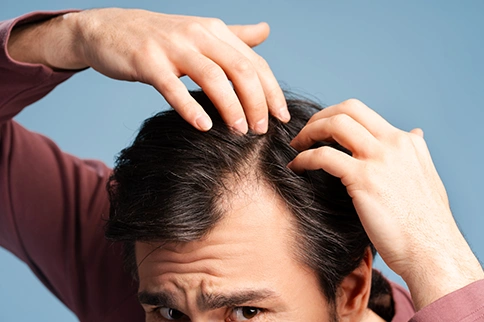
That's what most people tell themselves when they notice a few extra strands on their pillow or in their hairbrush. They blame the weather, stress, or a new hair product, hoping it will stop on its own. But hair loss rarely happens overnight- it often begins with subtle warning signs that are easy to miss.
Recognising these early signs of hair loss can help you identify possible causes and seek timely care before the condition progresses. In this blog, we'll explore the 10 early warning signs of hair loss, what they could mean, and when it's time to take your hair fall seriously.
What Are the First Signs of Hair Loss?
Hair loss rarely begins with a dramatic bald patch. In most cases, it starts with subtle changes that develop gradually, making them easy to dismiss as temporary or harmless.
Some people notice more strands in the shower drain, while others feel their hair has lost its usual volume or observe that their scalp is becoming more visible under bright light. These early hair loss symptoms often appear weeks or even months before significant hair thinning becomes noticeable.
Paying attention to these small changes can help you seek professional advice early, identify the underlying cause, and take appropriate steps to manage hair loss before it progresses.
10 Early Warning Signs of Hair Loss You Should Never Ignore
1. You are Losing More Hair Than Usual
Finding a few strands on your pillow or in your comb is completely normal. On average, shedding 50 to 100 hairs a day is part of the natural hair growth cycle.
However, if you consistently notice excessive hair in your brush, shower drain, or on your clothes, it could be one of the earliest warning signs of hair loss.
Persistent excessive hair shedding may result from stress, nutritional deficiencies, hormonal changes, genetics, thyroid disorders, or scalp conditions. If the shedding continues for several weeks without improving, it's worth looking beyond temporary causes.
2. Your Hair Doesn't Feel as Thick as It Used To
Sometimes, your hands notice the difference before your eyes do.
Your ponytail feels thinner.
Your bun looks smaller.
Your favourite hairstyle no longer has the same fullness.
These are often some of the earliest hair thinning signs, even before visible gaps appear on the scalp. Hair density can gradually reduce without causing obvious bald patches, making this one of the easiest symptoms to overlook.
3. Your Parting Looks Wider Than Before
Take a look at an old photograph.
Does your centre or side part seem wider today than it did a year ago?
A widening parting is one of the first signs of hair loss, particularly among women experiencing female pattern hair loss or hormonal changes.
Because the change happens gradually, many people only notice it when comparing photographs or after someone else points it out.
4. Your Hairline Is Slowly Receding
A receding hairline isn't always dramatic.
Why is your hairline receding? It often starts with subtle changes around the temples or forehead, making your hairline appear uneven or slightly farther back than before.
While this is more common in men, women can also experience gradual changes in their hairline. Identifying these early hair loss symptoms can help ensure timely evaluation and management.
5. Your Scalp Is Becoming More Visible
Have you started noticing more of your scalp in bright light or when taking selfies?
Perhaps your hair looks fine when dry but appears sparse when wet, or your scalp is more visible around the crown than it used to be.
This isn't always a sign of ageing. It may indicate a gradual reduction in hair density, one of the most common early signs of hair loss. Unlike sudden hair fall, this type of thinning develops over time, making it easy to miss until it becomes more noticeable.
If your scalp visibility continues to increase, it's important to identify the underlying cause before the hair loss progresses further.
6. Your Hair Isn't Growing Like It Used To
Have you been trying to grow your hair, but it never seems to get past a certain length?
Many people assume their hair has simply “stopped growing.” In reality, your hair may be shedding faster than it can grow back. Healthy hair follows a natural cycle of growth, transition, and shedding. When this cycle is disrupted by nutritional deficiencies, stress, hormonal changes, or other hair loss causes, the growth phase may become shorter, resulting in finer, shorter, and weaker strands over time.
If your hair has lost its length, volume, or strength despite proper care, it may be time to look beyond your haircare routine.
7. Your Hair Breaks More Easily Than Before
Not every strand you lose is falling from the root. If your hair snaps while brushing, styling, or tying it up, it may be a sign of weakened hair shafts rather than excessive shedding.
Frequent heat styling, chemical treatments, nutritional deficiencies, and environmental damage can all contribute to brittle hair. While hair breakage isn't the same as hair loss, persistent breakage can make your hair appear thinner and less healthy.
Supporting your hair from within is just as important as protecting it from external damage.
8. You are Developing Bald Patches
One of the most obvious hair loss warning signs is the appearance of small, round bald patches on the scalp. Unlike gradual thinning, patchy hair loss often occurs suddenly and may be linked to conditions such as alopecia areata, an autoimmune disorder in which the body's immune system mistakenly attacks healthy hair follicles.
Because several medical conditions can cause patchy hair loss, seeking an early evaluation is essential for understanding the underlying cause and exploring suitable treatment options.
9. Your Scalp Feels Itchy, Irritated, or Unhealthy
Healthy hair begins with a healthy scalp.
Persistent itching, redness, dandruff, excessive oiliness, or scalp irritation may seem like minor concerns, but they can sometimes affect the environment needed for healthy hair growth.
Scalp inflammation may contribute to ongoing hair shedding if left unmanaged. If these symptoms occur alongside hair thinning signs or excessive hair shedding, they shouldn't be ignored. Taking care of your scalp is an important part of maintaining healthy hair.
10. Hair Loss Runs in Your Family
Sometimes, the earliest warning sign isn't something you notice in the mirror-it's your family history of hair loss.
If one or both of your parents, siblings, or close relatives experienced early hair thinning or pattern baldness, you may have a higher genetic predisposition to hair loss.
While genetics doesn't guarantee you will lose your hair, it does mean you should pay closer attention to early hair loss symptoms and seek advice if you notice persistent changes. Early intervention can often help manage hereditary hair loss more effectively than waiting until significant thinning occurs.
Why Does Hair Loss Happen?
Hair loss isn't a condition in itself-it's often a symptom of something happening inside your body.
Some of the most common hair loss causes include:
- Genetic predisposition
- Hormonal imbalances
- Chronic stress
- Iron deficiency and nutritional deficiencies
- Thyroid disorders
- Polycystic Ovary Syndrome (PCOS)
- Autoimmune conditions
- Certain medications
- Scalp infections
- Sudden illness or significant weight loss
Since the causes vary from person to person, identifying the underlying reason is the first step towards choosing the right treatment approach.
When Should You Worry About Hair Loss?
Many people ask, “When should I worry about hair loss?”
While occasional hair fall is normal, you should consider consulting a healthcare professional if you notice:
- Hair fall lasting longer than two to three months
- Persistent excessive hair shedding
- A widening hair parting or visible scalp
- A receding hairline
- Bald patches
- Hair thinning that continues to worsen
- Scalp itching, redness, or persistent irritation
- Hair loss accompanied by fatigue, unexplained weight changes, or other health concerns
Seeking advice early can help identify the cause and improve the chances of managing hair loss effectively.
How Is Early Hair Loss Diagnosed?
No two cases of hair loss are the same. So, neither should the treatment approach be.
While one person may experience hair loss due to stress, another may have hormonal imbalances, nutritional deficiencies, genetics, or an underlying medical condition.
A healthcare professional may recommend:
- A detailed medical history
- Scalp and hair examination
- Blood tests to assess nutritional deficiencies, thyroid function, or hormonal imbalances
- Additional investigations, if required, to identify the root cause
Understanding why hair loss is happening is essential before starting any treatment.
Can Early Hair Loss Be Managed?
The encouraging news is that early hair loss can often be managed more effectively when recognised in time.
The right approach depends entirely on the underlying cause. For some people, improving nutritional deficiencies or managing stress may reduce excessive hair shedding. Others may benefit from treatments that address hormonal changes, scalp health, or hereditary hair loss.
Alongside medical care, these healthy habits can support stronger hair:
- Eat a balanced diet rich in protein, iron, zinc, and vitamins.
- Stay well hydrated throughout the day.
- Manage stress through exercise, meditation, or mindfulness.
- Get adequate sleep every night.
- Avoid excessive heat styling and harsh chemical treatments.
- Use hair care products suited to your scalp type.
- Avoid self-medicating without understanding the root cause of your hair fall.
Healthy hair begins with consistent hair care from both the inside and the outside.
Expert Care at Dr Batra's®: Looking Beyond Hair Fall
At Dr Batra's®, we understand that hair loss isn't the same for everyone. While some people experience hair fall due to stress or nutritional deficiencies, others may be affected by hormonal changes, genetics, or underlying scalp conditions.
That's why our approach focuses on identifying the root cause before recommending a personalised treatment plan.
Our comprehensive approach includes:
- Detailed hair and scalp assessment
- AI-powered hair diagnostics
- Personalised homeopathic treatment
- Lifestyle and nutritional guidance
- Long-term support focused on overall hair and scalp health
With 35+ years of clinical expertise and 1.5 million+ happy patients globally, Dr Batra's® combines personalised homeopathic care with advanced diagnostic technology to help individuals manage hair concerns holistically. Explore our hair treatments at Dr Batra's to learn more.
Conclusion
Hair loss rarely begins with a dramatic change. More often, it starts with subtle signs-a little more hair on your pillow, a slightly wider parting, or a ponytail that feels thinner than it once did.
These changes may seem insignificant at first, but they can be your body's way of telling you that something needs attention.
Recognising the early signs of hair loss and understanding their possible causes can help you take timely action before the condition progresses. Whether the trigger is stress, nutrition, hormones, genetics, or an underlying health concern, identifying the root cause is the key to managing hair loss effectively.
Because when it comes to your hair, the earlier you listen, the better your chances of protecting it.
Take the First Step Towards Healthier Hair
If you have been noticing persistent hair fall, thinning, or any of these early warning signs, don't ignore them.
Consult the experts at Dr Batra's® for a comprehensive hair and scalp evaluation. Our personalised approach focuses on identifying the underlying cause and creating a treatment plan tailored to your unique needs-helping you move towards healthier hair with confidence.
Frequently Asked Questions


More Articles
Trending Now
Types of Hair Loss: Understanding Different Hair Loss Conditions
Symptoms of Male Pattern Baldness & Early Signs of Hair Loss
Causes of Male Pattern Baldness: Why Hair Loss Happens in Men
Get Your Personalised Health Treatment Today


Working hours: 10am to 9pm daily.
Have Enquiries?
Leave your details and our hair therapy specialist will respond to your query shortly.