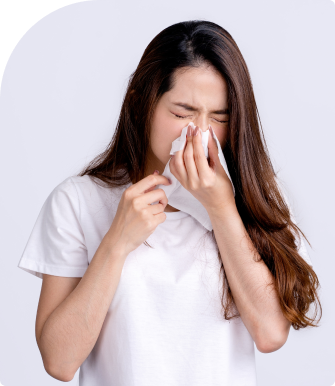
Personalised Treatment, not Universal: Two people with sinusitis may receive different remedies. Your doctor chooses based on how the condition shows up for you: which sinus is affected, whether the discharge is thick or watery, what eases or worsens it (cold air, AC, warmth), and whether symptoms peak in the morning or at night.
The whole picture: Your doctor also looks beyond the nose: the seasonal triggers above, how often you catch colds, past antibiotic courses, your allergy history, sleep, stress and overall health.
What it aims to do: Rather than only managing a single episode, homeopathic treatment aims to
Who it may suit best:
Where it has limits:
Large nasal polyps or a significantly deviated septum may need ENT or surgical care. The emergency warning signs listed under When to See a Doctor always need immediate medical attention.
Seeking homeopathic care for sinusitis?
For over four decades, Dr Batra's has helped patients manage chronic and recurring conditions through personalised homeopathy, across a network of [200+] clinics in [India and the UAE]. Across this network, 77% of documented sinusitis cases (5,657 of 7,317) recorded a successful outcome.* Qualified homeopathic doctors treat sinusitis patients, with a structured plan from your first visit.
Your Treatment Journey
Sinusitis is classified in two ways-by how long it lasts & by which sinus is affected.
When the sinus lining becomes inflamed and swollen, mucus cannot drain normally. Common symptoms include
Stuffy or blocked nose
Swollen tissue and blood vessels narrow the nasal passages.
Post-nasal drip
Excess mucus runs down the back of the throat.
Thick yellow or green nasal discharge
Colour alone can’t confirm bacterial infection a doctor must assess it.
Facial pain & pressure
Pressure builds up inside the blocked sinuses and is felt around the eyes, forehead and cheeks.
Reduced sense of taste & smell
Swelling blocks airflow to the smell receptors, so food tastes flatter.
Recognising these symptoms?
Sinusitis is classified into stages specifically by how long the symptoms and inflammation last.
Lasts up to 4 weeks, usually starting with a cold or viral infection and clearing within 7–10 days.
Lasts 4–12 weeks when acute symptoms persist longer than expected.
Lasts 12+ weeks due to persistent inflammation, nasal polyps, structural issues, or allergies.
This involves 4 or more separate full episodes of acute sinusitis that occur within a single year.
A sudden severe flare-up or secondary infection in chronic sinusitis.
This condition of Sinusitis occurs when the tissue lining your sinuses becomes swollen and inflamed and blocks mucus drainage. Let us understand its common causes.
Infections
Viruses: Many acute cases start with a common cold or other viral respiratory illness.
Bacteria: can take hold when mucus stays trapped after a viral illness.
Allergies & Irritants
Allergic Rhinitis: Pollen, dust, pet dander & mould cause nasal swelling.
Smoke and pollutants: cigarette smoke, chemical fumes & heavy smog irritate the nose & airways.
Structural blockages
Nasal polyps: Soft, non-cancerous growths that can block sinus openings.
Deviated septum: a shifted wall between the nostrils that narrows one side.
Medical Conditions
Asthma: Ongoing airway inflammation is linked to chronic sinus problems.
Weakened immunity: conditions such as cystic fibrosis or HIV, & treatments such as chemotherapy, raise infection risk.
A doctor usually diagnoses sinusitis through a symptom review and physical examination, checking for facial tenderness around the cheeks, forehead and eyes, and examining the nasal passages. Sinusitis is classed as acute (up to 4 weeks), subacute (4 to 12 weeks) or chronic (12 weeks or longer), based on duration and signs such as congestion, facial pressure, reduced smell and discoloured discharge.
If needed, further tests may include:
Most of the common viral sinus infections clear up on their own within a week. However, lingering and worsening signs often indicate a bacterial infection that requires medical care.
Sinusitis management may include conventional medicines for symptom relief and individualised homeopathic care. Both approaches can be considered separately based on the patient’s needs.
Flush out the thick mucus and allergens from the nasal passages
Use medicines such as ibuprofen and paracetamol to lower the pain and fever
Reduce the inflammation and swelling in the lining of the sinuses
Clears the structural blocks or removes the nasal polyps in severe or chronic cases
Personalised natural medicines chosen based on the patient’s medical history, specific physical traits & emotional profile
Aims to reduce hypersensitivity of the nasal mucosa and lower recurrent allergic triggers
Focuses on the long-term prevention of chronic flare-ups without using steroids or causing drowsiness
Evaluates factors such as frequent colds & long-standing inflammation to promote natural healing from within
Stay hydrated, use saline rinses, avoid smoke and pollutants, and treat allergies early to manage sinusitis and prevent flare-ups.
Self-Care at Home
Prevention
Get a call back from our Health advisor