Scalp Lichen Planus (Lichen Planopilaris): Common Questions Answered by Experts
Talk to Our Experts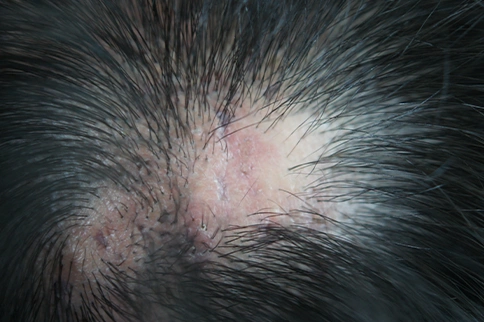
Get AI Powered Quick Summary




Are you experiencing redness, strange, persistent itchy spots, and bald patches on your head that won’t go away? We usually assume hair thinning is caused by dandruff, but sometimes the root cause runs much deeper than the surface. This could be a sign of scalp lichen planus, an uncommon inflammatory condition that targets your hair follicles. In this blog, we will learn more about the causes of scalp lichen planus, its treatment options, its symptoms, how to spot the early warning signs, and why quick action is required to prevent permanent damage
What is Scalp Lichen Planus?
Scalp Lichen Planus is a rare inflammatory skin condition where the overactive immune system attacks the hair follicles, leading to scaling, redness, permanent scarring and hair loss. It causes severe itching, burning, scalp tenderness, and pain. It permanently destroys hair follicles, leading to scarring hair loss. This condition can happen alongside mouth sores, skin rashes, or nail ridges, and it is not continuous.
What Causes Scalp Lichen Planus?
A combination of autoimmune, genetic and hormonal factors causes it. Let’s look at each in detail.
Immune and Biological Factors
- Unknown triggers: An abnormal immune response that targets an unidentified protein in the hair root
- Autoimmune attack: The white blood cells called T-lymphocytes mistakenly attack and destroy the cells in the hair follicles.
- Not contagious: The condition does not spread from one individual to another
Hormonal Influences
- Changes during menopause or other hormonal transitions may trigger or worsen the symptoms
- The condition is more likely and commonly seen in middle-aged women
Genetic Factors
- Family history: Genetic predisposition may make certain individuals more likely to develop this condition
- Hereditary link: A family history of autoimmune or inflammatory skin conditions may raise the risk.
Trigger Factors
- Environmental factors: Certain allergens or irritants may contribute to onset in some cases
- Stress: Physical and emotional stress can act as a flare-up trigger
- Other autoimmune conditions: It is sometimes linked to autoimmune disorders or skin conditions such as lichen planus.
Is Scalp Lichen Planus Contagious?
Scalp Lichen Planus is not contagious. You cannot catch it from another person, and you cannot pass it to anyone else through sharing combs, touching, or physical contact. This condition causes an autoimmune reaction in which white blood cells attack your own hair follicle cells and skin. It doesn’t run in families and you can’t inherit it from your parents.
Symptoms to Watch For: Scalp Lichen Planus
It causes itchy, burning, or tender skin, redness and scaling around hair follicles, and patchy hair loss that can lead to permanent scarring. These are some of the common lichen planus symptoms to watch for:
Sensory Symptoms
- Tenderness when touching the head or brushing hair
- Burning or stinging pain
- Itching on the scalp
Physical Skin Changes
- Scaling, flaking, or rough patches of skin
- Red or purple bumps around hair roots
- Redness directly surrounding individual hair follicles
Hair and Follicle Changes
- Permanent bald spots if scarring occurs
- Patchy hair loss in irregular shapes
- Smooth, shiny, pale skin areas where hair follicles are destroyed
Can Scalp Lichen Planus Cause Permanent Hair Loss?
Yes. Scalp lichen planus can lead to permanent hair loss. It causes the immune system to attack the hair follicles, leading to deep inflammation that destroys the follicle and replaces it with scar tissue, preventing future hair growth in those areas.
How does hair loss happen?
- Scarring (Cicatricial Alopecia): The scar tissue takes the place of the healthy tissue and makes hair regrowth impossible.
- Follicle destruction: Inflammation damages the root of the hair
- Progressive patches: Hair loss starts in small and patchy areas on the scalp or along the hairline, and it can spread if left unchecked.
Can Stress Trigger Flare-Ups?
Stress is a major trigger for flare-ups. During stress, the body releases hormones such as cortisol and adrenaline. These hormones increase inflammation, alter how the immune system works, and worsen existing hair problems. Stress makes the eczema itch more, causes breakouts and worsens psoriasis or hives. It also increases inflammation in the body and can trigger rheumatoid arthritis, lupus, and inflammatory bowel disease flares. Besides, it can trigger irritable bowel syndrome or acid reflux and slow down digestion. Tensed muscles and high stress lead to body aches, tight shoulders and tension headaches.
Is Scalp Lichen Planus Hereditary?
Scalp lichen planus is not directly hereditary. One cannot inherit it directly from one’s parents, like eye colour or a genetic disorder, and it is not contagious. Researchers believe that a person’s genetic makeup can create an underlying immune predisposition that makes them more susceptible to the condition when triggered by external factors.
Treatment Options for Scalp Lichen Planus
When exploring lichen planus treatment for the scalp, the approach typically combines conventional dermatological care with supportive therapies to calm inflammation and protect healthy follicles. Homeopathy is prescribed by its practitioners as a supportive and individualised approach that looks beyond the visible scalp lesions to a person’s overall constitution, immune tendencies, stress levels, and lifestyle patterns, to calm the underlying inflammatory tendency rather than suppressing the surface symptoms. The treatment aims to relieve symptoms such as itching, burning, and pain on the scalp through medications. The medical care also focuses on calming the immune system, and the treatment protects the follicles that are still alive. Scalp Lichen Planus can destroy the hair follicles and lead to irreversible hair loss. Because it carries a risk of permanent hair loss, it is important to consult your skin specialist alongside an experienced homeopath.
Can Hair Grow Back with a condition like Scalp Lichen Planus?
Hair generally does not grow back in areas where scalp lichen planus has already destroyed the hair follicles and replaced them with scar tissue. Early medical treatment can stop the inflammation, prevent further permanent loss and it cannot reverse the existing scars.
When should you consult a doctor?
You should consult a doctor immediately for severe symptoms like sudden trouble breathing, chest pain and high fever that lasts for over three days. Some other symptoms include a cough lasting longer than 2 to 3 weeks and unexplained weight loss without trying. Besides, you must schedule a regular visit for symptoms that last more than 10 days and maintain routine annual checkups for preventive health.
Conclusion
- Scalp Lichen Planus is a rare autoimmune condition that attacks the hair follicles, causes redness, itching and scaling
- It is not contagious and not directly hereditary
- Stress is a known trigger and can worsen the flare-ups and so managing it supports the overall treatment
- Treatment focuses on calming inflammation and protecting the follicles that are healthy. The treatment approach ranges from conventional dermatological care to supportive options such as homeopathy
- Hair regrowth is not possible in areas where the follicles have already scarred. However timely treatment can prevent further loss.
- Anyone noticing scalp itching, redness or patchy hair loss should consult a dermatologist rather than waiting out symptoms.
Frequently Asked Questions
- What is Scalp Lichen Planus?
- What Causes Scalp Lichen Planus?
- Is Scalp Lichen Planus Contagious?
- Symptoms to Watch For: Scalp Lichen Planus
- Can Scalp Lichen Planus Cause Permanent Hair Loss?
- Can Stress Trigger Flare-Ups?
- Is Scalp Lichen Planus Hereditary?
- Treatment Options for Scalp Lichen Planus
- Can Hair Grow Back with a condition like Scalp Lichen Planus?
- When should you consult a doctor?


More Articles

Trending Now
What is lichen planus classification?
Can Lichen Planus be itchy?
Natural Remedies for Lichen Planus
Get Your Personalised Health Treatment Today


Working hours: 10am to 9pm daily.
Have Enquiries?
Leave your details and our hair therapy specialist will respond to your query shortly.