Top Reasons for Hair Thinning in Women: An In-Depth Analysis
Talk to Our Experts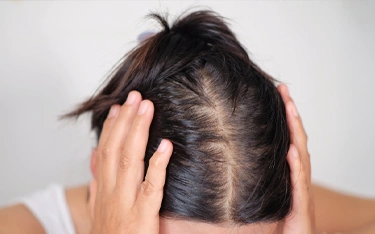
 Medically reviewed by
Dr. Akshay Batra
24+ years of experience Leading Trichologist, Dermatologist & Homeopath | Advisor & Past President Trichological Society of London
If your hair looks thinner than it used to, or you notice more strands falling out in the shower, you're not alone. About 55% of women experience hair thinning by age 70, which can start as early as your 20s or 30s.
Hair thinning can be a distressing experience, affecting self-confidence and emotional well-being. Understanding what’s causing it can help you take the proper steps toward hair regrowth.
In this guide, we’ll explore the primary causes of hair thinning in women, lifestyle triggers, and how Dr Batra’s® homeopathy can help restore hair health naturally.
Female Hair Loss Explained: From Hormones to Stress
Hair thinning in women can happen gradually or suddenly. Unlike men, who typically develop receding hairlines or bald patches, women often experience diffuse thinning across the scalp, making it harder to notice at first.
Key signs include:
- Widening hair part
- Reduced hair density around the crown
- More hair in your brush, shower drain, or pillow
Major Causes of Hair Thinning in Women
- Genetic Factors and Female Pattern Hair Loss
- The most common cause of hair thinning is female pattern baldness (androgenetic alopecia).
- Inherited genes from either parent cause hair follicles to shrink, leading to gradual thinning.
- Usually starts after menopause, but can begin in the 20s or 30s.
- Trichotillomania is 7 times more common in men than in women.
- Hair loss in patches.
- Parlour procedures like rebonding, straightening, etc. Use of chemical dyes can lead to chemical burns, especially seen in young women in the age group of 13-18 years.
- How Hormonal Imbalances Affect Hair Thinning
- Hormones play a crucial role in hair growth—imbalances can trigger hair shedding.
- Estrogen and progesterone help maintain thick, healthy hair, but declining levels cause thinning.
- PCOS, pregnancy, and menopause are common causes of hormone-related hair loss. PCOS will give rise to pattern hair loss and fall into the androgenetic hair loss category.
- Postpartum Hair Loss: Why New Mothers Experience Shedding
- Many new moms notice significant hair loss 2-3 months after childbirth.
- Caused by a drop in estrogen, which pushes more hair into the shedding phase (telogen effluvium).
- Hair usually regrows within 6-12 months.
- Postpartum hair loss will start with diffused hair loss and then progress to pattern hair loss.
- Menopause and Hair Thinning: Understanding the Link
- During menopause, estrogen and progesterone levels drop, increasing hair fall.
- Androgen levels rise, leading to weaker follicles and slower hair growth.
- Many women notice scalp visibility increasing with age.
- Polycystic Ovary Syndrome (PCOS) and Hair Thinning
- PCOS leads to excess androgens, which cause thinning hair on the scalp.
- Symptoms include irregular periods, acne, and weight gain.
- Treatment options include lifestyle changes, hormone therapy, and homeopathy.
- Nutritional Deficiencies and Their Impact on Hair Health
- Iron, vitamin D, zinc, and biotin are essential for healthy hair growth.
- A diet low in protein and healthy fats can make hair dull, weak, and prone to breakage.
- Iron Deficiency & Anemia
- Iron helps deliver oxygen to hair follicles—deficiency causes hair to thin and become brittle.
- More common in women with heavy periods or poor diets.
- Vitamin D Deficiency
- Vitamin D plays a crucial role in hair follicle health.
- Low levels are linked to increased hair shedding and slower regrowth.
Dr Batra’s® pro tip:
Avoid frequent chemical treatments and tight hairstyles—they weaken hair roots and can worsen breakage or traction alopecia.
Other Lifestyle Changes & Causes of Hair Thinning
- Overuse of Hair Styling Products & Heat
- Frequent use of heat styling, hair dyes, and harsh chemicals can weaken hair.
- Solution: Use heat protectants and switch to gentle, sulfate-free shampoos.
- Tight Hairstyles & Traction Alopecia
- Constantly pulling hair into tight ponytails or buns can cause hair loss at the hairline. Examples include nurses with tight braids that cause temporary shedding, happening 4-6 weeks after diet changes. Sometimes, hair falls from all over the scalp.
- Solution: Opt for looser styles and avoid excessive tension on hair follicles.
- Rapid Weight Loss & Crash Dieting
- Sudden weight loss deprives hair follicles of essential nutrients, causing temporary shedding (telogen effluvium).
- Scalp Infections & Dandruff
- Dandruff and scalp inflammation can weaken hair roots.
- Use anti-fungal treatments and scalp-soothing oils to improve scalp health.
Effective Solutions for Hair Thinning
- Improve diet: Eat more protein, iron, omega-3, and vitamins for stronger hair.
- Use mild hair products: Avoid sulfates, parabens, and excessive styling.
- Reduce stress: Try yoga, meditation, or breathing exercises.
- Massage your scalp: Stimulates blood flow and strengthens follicles.
- Choose natural treatments: Homeopathy helps address hair thinning from within.
How Dr Batra’s® Can Help with Hair Thinning
- Personalised Diagnosis : Trichologists and homeopathy experts assess the root cause of hair thinning.
- Customised Homeopathic Treatment : Natural remedies that balance hormones and strengthen hair follicles.
- Advanced Hair Regrowth Treatment : Includes XOGEN Treatment, STM, and groHair for faster regrowth.
Break the cycle of hair loss with the right knowledge
Book an AppointmentConclusion
- Hair thinning is common Affects over 55% of women, often due to genetics, hormones, or lifestyle.
- Major causes Hormonal imbalances, nutritional deficiencies, stress, and hair damage.
- Prevention & treatment Early intervention, proper nutrition, scalp care, and natural remedies help.
- Dr Batra’s® solutions Expert diagnosis, homeopathy, and advanced regrowth treatments for healthier hair.
Act now! Consult Dr Batra’s® for personalised hair loss solutions.
Frequently Asked Questions


Get Your Personalised Health Treatment Today


Working hours: 10am to 9pm daily.
Have Enquiries?
Leave your details and our hair therapy specialist will respond to your query shortly.