Monsoon Acne Flare-Ups: Why Humidity Is Breaking You Out and What Actually Helps
Talk to Our Experts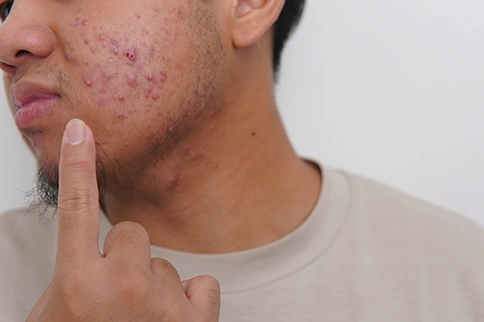
Monsoon brings much-needed relief from the scorching summer heat, but for many people, it also brings an unwelcome skin concern-sudden acne breakouts and a lot of other skin concerns. If you have noticed your skin becoming oilier, your pores feeling clogged, or pimples appearing more frequently during the rainy season, you are not alone.
The combination of high humidity, sweat, excess oil production, and environmental pollutants can create the perfect conditions for acne flare-ups. Even people who usually have manageable skin may find themselves dealing with unexpected breakouts during the monsoon months because of the weather changes.
But there is a good news too! Understanding why monsoon acne occurs and following the right acne treatment approach can help you keep your skin healthy, balanced, and clearer throughout the season.
In this blog, we will explore why humidity triggers acne, why your regular skincare routine may stop working during the monsoon, and what actually helps manage recurring breakouts effectively.
What Is Monsoon Acne?
Monsoon acne refers to those acne breakouts that become more frequent or severe during the rainy season. While acne can occur year-round, the humid conditions associated with monsoon weather can significantly increase the likelihood of clogged pores and inflamed skin.
Humidity causes the skin to produce more sebum, or natural oil. When this excess oil mixes with sweat, dirt, dead skin cells, and bacteria, pores become blocked, leading to blackheads, whiteheads, and pimples.
People with oily or acne-prone skin often experience more noticeable flare-ups, but monsoon acne can affect individuals across all skin types.
Why Does Humidity Trigger Acne Breakouts?
Many people associate acne with hot weather, but humidity can be just as problematic as heat.
Increased Oil Production
High humidity signals the sebaceous glands to produce more oil. While sebum helps protect the skin, excessive amounts can clog pores and contribute to breakouts.
Excessive Sweating
The sticky weather often leads to increased sweating. Sweat itself does not cause acne, but when it remains on the skin and mixes with oil and impurities, it can contribute to pore congestion.
Bacterial Growth
Warm and humid conditions create an ideal environment for acne-causing bacteria to thrive. Once bacteria become trapped inside clogged pores, inflammation and acne lesions can develop.
Dirt and Pollution Build-Up
During the monsoon, airborne pollutants, dust, and environmental debris can settle more easily on the skin. When combined with excess oil, these impurities increase the risk of clogged pores.
Friction and Touching the Face
Constantly wiping away sweat or touching your face can transfer bacteria and irritants to the skin, which results in worsening acne flare-ups.
Common Signs of Monsoon Acne
Monsoon acne can appear differently from person to person. Some of the most common symptoms of acne of it include:
- Increased oiliness and shine
- Frequent pimples and breakouts
- Whiteheads and blackheads
- Red, inflamed acne lesions
- Acne around the forehead, nose, and chin
- Painful cystic acne in severe cases
- Breakouts on the chest, back, and shoulders
Many people also notice that existing acne takes longer to heal during humid weather.
Who Is Most Prone to Monsoon Acne?
While anyone can experience acne during the rainy season, certain groups may be more vulnerable.
People with Oily Skin
Excess oil production becomes even more pronounced in humid conditions, making oily skin particularly susceptible to clogged pores.
Teenagers and Young Adults
Hormonal fluctuations can already increase the risk of acne. Humidity often amplifies these effects.
Individuals with Acne-Prone Skin
If you frequently experience recurring acne, seasonal weather changes can trigger additional flare-ups.
People with Active Lifestyles
Those who exercise regularly or spend long hours outdoors may experience increased sweating, which can contribute to monsoon acne.
Individuals Living in Humid Regions
Areas with prolonged rainfall and high moisture levels often experience higher rates of seasonal acne.
Why Your Regular Acne Routine May Not Work During Monsoon
Many people continue using the same skincare routine year-round and wonder why their acne suddenly worsens.
The truth is that your skin's needs change with the weather, and if you do not adjust, it is bound to react and worsen over time.
Products that worked well during winter or summer may feel too heavy during monsoon. Thick creams, oil-based products, and overly rich moisturisers can contribute to congestion when humidity levels are already high.
Similarly, using aggressive acne products to combat excess oil can strip the skin of moisture, causing irritation and potentially triggering even more oil production.
The key is to adjust your routine based on seasonal changes rather than following a universal approach.
What Actually Helps Control Monsoon Acne?
Managing monsoon acne requires consistency and a balanced skincare routine.
Cleanse Gently but Effectively
Wash your face twice daily with a gentle cleanser designed for acne-prone skin. This helps remove excess oil, sweat, and impurities without damaging the skin barrier.
Choose Lightweight Moisturisers
Hydration remains important even during humid weather. Opt for lightweight, non-greasy moisturisers that support skin health without clogging pores.
Use Non-Comedogenic Products
Look for skincare and makeup products labelled non-comedogenic, meaning they are less likely to block your skin pores.
Stay Hydrated
Many people reduce their water intake during the monsoon. Staying hydrated helps support healthy skin function and overall well-being.
Keep Sweat Under Control
After exercising or spending time outdoors, cleanse your skin promptly to remove sweat and excess oil.
Maintain a Balanced Diet
A nutritious diet rich in fruits, vegetables, whole grains, and lean proteins can help support skin health and reduce inflammation.
Manage Stress
Stress can contribute to hormonal fluctuations that worsen acne. Prioritising sleep, relaxation, and healthy lifestyle habits may help reduce flare-ups.
Best Ingredients to Look for in Acne Treatment During Monsoon
If you're selecting products for acne treatment, certain ingredients can be particularly helpful during humid weather.
Salicylic Acid
This ingredient helps unclog pores by removing excess oil and dead skin cells, making it beneficial for oily and acne-prone skin.
Niacinamide
Niacinamide helps regulate oil production, soothe inflammation, and strengthen the skin barrier.
Tea Tree Extract
Known for its antibacterial properties, tea tree extract may help reduce acne-causing bacteria on the skin.
Zinc
Zinc-based formulations can help calm inflammation and support acne management.
Hyaluronic Acid
Contrary to popular belief, oily skin still needs hydration. Hyaluronic acid provides lightweight moisture without adding excess oil.
Before starting any new skincare ingredient, it's always advisable to understand your skin type and individual needs.
Skincare Mistakes That Can Make Acne Worse
Sometimes, well-intentioned habits can aggravate acne rather than improve it.
Overwashing the Face
Excessive cleansing can strip natural oils and irritate the skin.
Picking or Popping Pimples
This increases the risk of scarring, infection, and post-acne marks.
Using Too Many Active Ingredients
Combining multiple acne products can overwhelm the skin and lead to redness and irritation.
Skipping Moisturiser
Even oily skin requires hydration. Avoiding moisturiser altogether can disrupt the skin barrier.
Ignoring Persistent Acne
Delaying treatment may allow mild acne to progress into more severe forms that are harder to manage.
When Should You Seek Professional Acne Treatment?
Occasional pimples are common, especially during the monsoon. However, professional acne treatment may be beneficial if:
- Acne persists despite home care
- Breakouts are becoming more severe
- Acne is painful or cystic
- Scarring or pigmentation is developing
- Acne is affecting your confidence and quality of life
Seeking timely guidance can help prevent long-term skin damage and recurring flare-ups.
How Dr Batra's® Helps Manage Acne Naturally
Recurring acne is often influenced by multiple factors, including skin type, hormonal fluctuations, stress, lifestyle habits, and individual sensitivities. Simply treating visible pimples may not always provide long-term relief.
At Dr Batra's® acne treatment focuses on understanding the root causes behind recurring breakouts and creating personalised treatment plans tailored to each individual's needs. The approach combines detailed consultation, comprehensive evaluation, and holistic care to support healthier skin from within.
By addressing underlying triggers and promoting overall skin wellness, the treatment aims to help reduce active acne, minimise recurrence, and improve skin health over time. With decades of experience in managing various skin concerns, Dr Batra's® offers patient-centric care designed to support long-term results.
Conclusion
Monsoon acne is a common seasonal concern, but it doesn't have to take control of your skin. Increased humidity can lead to excess oil production, clogged pores, bacterial growth, and recurring breakouts. Understanding these triggers is the first step toward managing them effectively.
Simple measures such as using suitable skincare products, maintaining good hygiene, staying hydrated, and adopting the right acne treatment strategy can make a significant difference.
If your acne keeps returning despite your efforts, seeking professional guidance can help identify underlying causes and provide a treatment plan tailored to your skin's unique needs.
Don't let monsoon acne take over your skin. Book your consultation today.
Frequently Asked Questions
- What Is Monsoon Acne?
- Why Does Humidity Trigger Acne Breakouts?
- Common Signs of Monsoon Acne
- Who Is Most Prone to Monsoon Acne?
- Why Your Regular Acne Routine May Not Work During Monsoon
- What Actually Helps Control Monsoon Acne?
- Best Ingredients to Look for in Acne Treatment During Monsoon
- Skincare Mistakes That Can Make Acne Worse
- When Should You Seek Professional Acne Treatment?
- How Dr Batra's® Helps Manage Acne Naturally


Get Your Personalised Health Treatment Today


Working hours: 10am to 9pm daily.
Have Enquiries?
Leave your details and our hair therapy specialist will respond to your query shortly.