
- 28+ Years of experience
- Dermatology,
- Hair Specialist,
- Oncology,
- Pediatrics,
- Skin Specialist
There’s something refreshing about the first monsoon rain but for your skin, the story can be quite the opposite. The combination of humidity, moisture, and heat creates the perfect breeding ground for infections. If you've noticed unexplained itching, rashes, or fungal patches during this season, you’re not alone. Monsoon skin diseases can affect anyone, and they often come with discomfort, embarrassment, or even long-term scarring if left untreated.
But the good news? These conditions are preventable, and manageable, with the right knowledge and care.
Common Monsoon Skin Diseases to Watch Out For
Folliculitis
This bacterial or fungal infection of the hair follicles appears as red, swollen pimples sometimes with pus. It’s commonly seen on the upper back, arms, or thighs, often triggered by sweating and moisture.
Athlete’s Foot
Highly contagious and common during monsoons, this fungal infection thrives in humid environments. It typically affects the toes, causing itching, flaking, and cracking of the skin.
Common in diabetics
Ringworm
A fungal infection that appears as red, itchy, circular patches. It commonly affects the arms, neck, groin, and scalp. Ringworm can spread easily through contact or shared personal items.
Scabies
Caused by microscopic mites, scabies leads to intense itching and rashes. It’s highly contagious and spreads through clothing, towels, and bedsheets. Timely treatment is key to avoiding discomfort.
Eczema
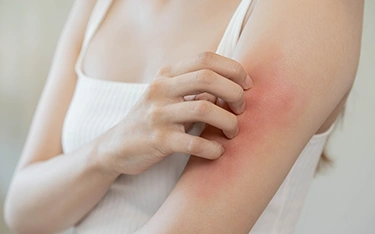
This skin condition causes red, dry, and itchy rashes—often triggered by allergens or irritants in the environment. Humidity during monsoon can make eczema flare-ups worse.
Heat Rash (Prickly Heat)
Blocked sweat glands can cause tiny red bumps and prickling sensations, especially in folded skin areas. It’s common in hot, sticky weather.
Acne and Pimples
Increased sweating and humidity can clog pores, leading to acne flare-ups on the face, chest, and back. to better understand your skin type.
Dermatitis
Monsoon can trigger various types of dermatitis, especially in sensitive individuals. It appears as inflamed, itchy skin and may be aggravated by moisture and allergens.
Effective Tips to Prevent Monsoon Skin Diseases
- Wear loose, breathable cotton clothing.
- Avoid tight accessories like belts and headbands.
- Skip artificial jewellery during humid days.
- Avoid tattoos and piercings during monsoon.
- Don’t walk barefoot — use slippers even indoors.
- Apply antifungal powder after your shower.
- Switch to antibacterial soaps or body washes.
- Avoid sharing towels, socks, or innerwear.
- Check for underlying issues like diabetes or thyroid.
- Wipe your body thoroughly, especially folds like underarms and between toes.
Switch to antibacterial skin care this season
When to See a Doctor for Skin Problems
If skin issues like redness, itching, or rashes persist for more than a few days or worsen despite home care, it’s time to see a doctor. Delaying treatment can increase the risk of infection or scarring.
Homeopathy Treatment For Skin Diseases
Homeopathic skin treatment provides gentle, long-term relief by treating the root cause of the condition. Whether it's eczema, fungal infections, or dermatitis, homeopathy aims to heal without harsh chemicals or side effects. At Dr Batra’s®, we use advanced solutions like AI Skin Analysis to personalise care for your skin needs.
Consult a skin expert for personalised monsoon care
Why choose Dr Batra’s® for treating monsoon skin disease
- 40+ years of experience in treating chronic and cosmetic skin conditions.
- Combination of homeopathy and science-backed aesthetics.
- Safe, non-invasive, personalised treatment plans for long-term skin health.
- 10,000+ Patients Treated with a 95% success rate by expert homeopathic dermatologists.
- International protocol to monitor treatment outcomes.
Dr Batra’s® pro tip:
Layer loose, soft cotton clothing to reduce skin friction and itching.
Stay Rash-Free This Monsoon
Book an AppointmentConclusion
- Monsoon creates conditions for skin infections and flare-ups.
- Common issues include ringworm, eczema, scabies, and athlete’s foot.
- Maintain hygiene, avoid tight clothing, and use antifungal skincare.
- Homeopathy offers gentle, effective, and long-term solutions.
- Early care helps prevent scarring, discomfort, and recurrence.
Frequently Asked Questions


More in Hair
Trending Now
How to Reduce Acne Scars Naturally and Effectively
10 most common skin disorders
Remedy for itchy skin at night
Get Your Personalised Health Treatment Today


Working hours: 10am to 9pm daily.
Have Enquiries?
Leave your details and our hair therapy specialist will respond to your query shortly.