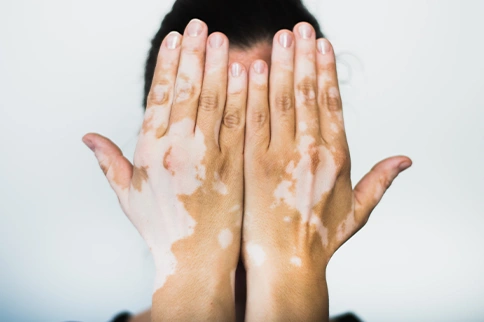
Not every white patch on the skin is caused by vitiligo. Several skin conditions can lead to pigment loss, and correctly identifying the cause is important, as treatment varies by condition. Vitiligo is a chronic autoimmune condition marked by chalk-white patches with sharp and well-defined borders and no scaling or itching. Other causes, including pityriasis alba, tinea versicolor and post-inflammatory hypopigmentation, look similar but differ in pattern, texture and origin. In this blog, you will understand the key differences between vitiligo and other white skin patches, so you know what to look for and when to see a doctor.
Causes of White Patches on Skin
White patches on the skin are common and usually harmless. They occur when skin cells lose pigment, experience yeast overgrowth, or become trapped beneath the surface. Causes depend on the spot's appearance and location:
- Sunspots (Idiopathic Guttate Hypomelanosis): Small, flat and smooth white spots on sun-exposed areas like forearms, chest and shins
- Tinea Versicolor: A type of fungal growth that causes scaly and sometimes itchy patches more noticeable in warm and humid weather.
- Vitiligo: An autoimmune condition where the pigment cells are destroyed. It causes smooth, well-defined white patches on the hands, face, or body openings that can spread over time.
- Pityriasis Alba: Scaly, dry and faintly white patches on the face or arms. This is commonly seen in children suffering from eczema-prone or dry skin.
- Milia: Small, raised and painless white bumps caused by trapped dead skin cells.
Difference Between Vitiligo and White Patches: Key Distinguishing Factors
While both involve lighter skin patches, vitiligo and other white spot conditions differ in cause, appearance and behaviour. Here's a comparison table.
| Feature | Vitiligo | Other White Patches |
|---|---|---|
| Definition | A specific chronic autoimmune disease causing complete pigment loss | A broad term for any lighter skin discolouration |
| Appearance | Milky-white and chalk-white patches with sharp, well-defined borders and normal texture | Pale or lighter spots (not fully depigmented); may show scaling, flaking, or raised texture |
| Underlying cause | Immune system destroys melanocytes (pigment cells) | Localised issues like yeast overgrowth, healed injuries or exposure to sun |
| Behaviour | Can spread over time, symmetrically | Usually stable or resolves once the underlying cause is treated |
| Common Locations | Wrists, face, hands, knees, elbows and around the body openings | Chest and back, face and arms |
| Diagnosis | Confirmed with Wood's lamp exam or skin biopsy | Usually diagnosed through visual exam, skin scraping or KOH Test |
| Contagious | No | Usually no. Except tinea versicolor (not contagious but linked to yeast overgrowth) |
Common Vitiligo Symptoms to Watch Out For
The symptoms of vitiligo can differ from one person to another. A few of the common signs to consider are:
- Flat and milky white patches that start small and then turn completely white gradually
- Irritation and mild itching can occur as new patches develop
- Symmetrical spread of patches on the matching areas of both sides of the body
- Early whitening or greying of the scalp hair, eyebrows, eyelashes and beard.
- Increased sun sensitivity as depigmented skin burns more easily
- Occasional changes in eye colour or, rarely, mild hearing issues
How to Identify Vitiligo vs Other Skin Conditions?
In Vitiligo, patches of milk-white skin with a smooth texture, sharp borders, and no itching or scaling appear symmetrically on both sides. It helps distinguish it from look-alikes. Tinea versicolor causes scaly and mildly itchy spots from a fungal overgrowth. Pityriasis alba appears as pale patches with blurred edges, mainly in children; chemical leukoderma is caused by direct contact with certain chemicals; and guttate hypomelanosis is caused by sun exposure and ageing. Dermatologists can confirm the exact diagnosis.
Other Skin Pigmentation Disorders That Cause White Patches
Vitiligo, as well as several other conditions, can cause white patches by reducing pigment or disrupting normal skin cells
- Albinism: A rare genetic condition that causes little to no melanin in the hair, skin and eyes
- Tinea versicolor: A yeast infection that leads to light-coloured and scaly patches on the skin.
- Pityriasis alba: Starts as mild red and scaly patches that fade to pale and dry areas.
- Idiopathic guttate hypomelanosis: Small, harmless and round white spots on the shins and forearms of older adults
- Post-inflammatory hypopigmentation: Lighter skin left behind an injury, burn or condition as eczema heals
- Chemical leukoderma: Pigment loss from direct exposure to certain industrial and household chemicals
Is Vitiligo Contagious or Hereditary?
Vitiligo is not contagious, and it is safe to hug, touch and share things with someone who is suffering from it. However, it does not have a genetic link. It is an autoimmune condition where the body's immune system attacks its own pigment-producing cells, and about 20-30% of people with vitiligo have a close relative with the condition too. The presence of these genes doesn't guarantee that you'll develop vitiligo; it often requires a trigger, such as severe sunburn, major stress, or chemical exposure.
When Should You Consult a Doctor for White Patches on the Skin?
You should visit a doctor for white patches on your skin if:
- White colour moves fast and covers large parts of the body
- Spots do not go away after a few weeks of using simple moisturisers or antifungal creams
- Patches feel sore, burn or itch a lot
- Skin becomes rough, scaly, thick and hard
- Spots make you feel very sad and anxious about how you look
How Is Vitiligo Diagnosed?
We treat vitiligo with homeopathy by addressing its underlying causes and supporting long-term repigmentation. Here's how we guide the treatment journey:
- Comprehensive skin and health assessment
Before starting homeopathic medicine for vitiligo, our doctors conduct a detailed assessment to identify immune triggers, stress factors, nutritional deficiencies, and genetic history. - Advanced Diagnostic Analysis
Wood's Lamp test evaluates pigment activity, guiding personalised homeopathic medicine for white spots. - Personalised Homeopathic Treatment Plan
Your personalised plan includes the most suitable homeopathic medicine, dietary guidance, vitiligo support, and supportive care. This ensures long-lasting stability and safe re-pigmentation. - Continuous Monitoring and Treatment Refinement
Progress is tracked and protocols refined to prevent any new white patches and maintain stable pigment restoration.
Vitiligo Treatment Options: What Works Best?
Treatment for vitiligo depends on the extent and location of the patches and works best with a personalised, multi-pronged approach. Homeopathy is an option that focuses on root-cause healing rather than just the visible patches, identifying genetic factors, immune triggers, nutritional imbalances, and stress patterns before recommending targeted remedies to support natural pigment restoration. Diagnostic tools like the Wood's Lamp Test may help accurately diagnose pigment loss and allow the treatment plans to be personalised and continuously optimised for each patient. Along with homeopathic medicine, stress management, dietary counselling and emotional support play a key role in holistic healing and long-term results.
Expert Care at Dr Batra's®
At Dr Batra's®, we understand that white patches on the skin are not the same for everyone. While vitiligo, an autoimmune condition, causes some, others may occur due to dry skin, fungal infections and sun-related changes. That is why our approach focuses on knowing the root cause before recommending a personalised treatment plan.
Our comprehensive approach includes:
- Detailed skin assessment and diagnosis
- Advanced diagnostic tools like Wood's Lamp Test
- Personalised homeopathic treatment
- Nutritional and lifestyle guidance
- Long-term support focused on safe and natural pigment restoration
Conclusion
- Not all the white patches are vitiligo. The causes vary from fungal infections to sun exposure
- Vitiligo shows sharp and chalk-white patches with no itching or scaling
- Other patches often flake, scale and irritate the skin
- Vitiligo is not contagious, but it can have a genetic link.
- See a doctor for spreading, itchy and persistent patches
Frequently Asked Questions
- Causes of White Patches on Skin
- Difference Between Vitiligo and White Patches: Key Distinguishing Factors
- How to Identify Vitiligo vs Other Skin Conditions?
- Is Vitiligo Contagious or Hereditary?
- When Should You Consult a Doctor for White Patches on the Skin?
- How Is Vitiligo Diagnosed?
- Vitiligo Treatment Options: What Works Best?


Get Your Personalised Health Treatment Today


Working hours: 10am to 9pm daily.
Have Enquiries?
Leave your details and our hair therapy specialist will respond to your query shortly.