
- 28+ Years of experience
- Dermatology,
- Hair Specialist,
- Oncology,
- Pediatrics,
- Skin Specialist
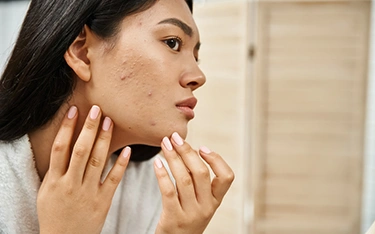
Acne isn't the same for everyone, and one-size-fits-all treatments may not work. Identifying the type of acne you have is the first step to clearing your skin. According to a study conducted by the Indian Association of Dermatologists in 2023, nearly 68% of Indian adolescents and more than 30% of Indian adults suffer from acne. However, while some people suffer from mild whiteheads, others may suffer from deep, painful cysts.
In this blog, we explain how acne differs, how to recognize it, and what works best for it.
Uncovering Acne Triggers: What’s Behind Your Skin Flare-Ups?
Acne forms when hair follicles get clogged with oil, dead skin cells, and sometimes bacteria. Common triggers include:
- Hormonal fluctuations (puberty, PCOS, stress)
- Oily skin
- Diet (high glycemic foods, dairy)
- Pollution and humidity
- Cosmetic or skin care product buildup
- Genetics
Types of Acne on Face and Body
Whiteheads (Closed Comedones)
These appear as small, white bumps under the skin. They’re non-inflammatory and caused by clogged pores that remain closed. They are commonly found on the forehead, chin, and nose.
Blackheads (Open Comedones)
Dark-colored clogged pores exposed to air. Their color comes from oxidized sebum, not dirt. Blackheads are commonly seen on the nose and cheeks.
Papules
Small, red, raised bumps without pus. These are inflamed clogged pores, and touching them may worsen inflammation.
Pustules
Similar to papules, but with a white or yellow center. When inflamed, they are filled with pus.
Nodules
Deep, hard bumps under the skin. They don’t come to a head and can last weeks. These are painful and can lead to scarring.
Cystic Acne
The most severe form, deep, red, pus-filled lumps. They can feel swollen, are tender to touch, and often result in permanent acne scars if untreated.
Other Skin Acne Types You Should Know
Fungal Acne (Malassezia Folliculitis)
Caused by yeast overgrowth rather than bacteria. Appears as small, uniform red bumps on the chest, back, or forehead.
Acne Mechanica
Common in people wearing helmets, masks, or tight clothing. Caused by friction, pressure, heat, and sweat.
Hormonal Acne
It mostly appears on the jawline, chin, or cheeks and flares up around periods or due to PCOS. It involves deep, painful cysts.
Stress Acne
Typically, it shows up as random breakouts across the face during or after emotional or mental stress.
How to Identify What Type of Acne You Have
- If it’s black or white, it’s likely comedonal acne.
- Red bumps? Think papules or pustules
- Painful, deep bumps? You’re likely dealing with nodular or cystic acne
- If breakouts appear with stress or hormonal changes, it's time to explore internal triggers.
Dr Batra’s® pro tip:
Treat the type, not just the breakout real results start with knowing your acne’s root cause.
Best Ways to Treat Different Acne Types
- Whiteheads/Blackheads: Exfoliation, salicylic acid, and mild cleansing
- Papules/Pustules: Anti-inflammatory care, gentle topicals, and avoiding picking
- Nodular/Cystic Acne: Requires deep, systemic treatment—homeopathy or dermatological care
- Hormonal Acne: Needs hormonal balance through lifestyle, diet, and homeopathic support
- Fungal Acne: Anti-fungal care, not traditional acne creams
- Acne Scars: Microneedling, chemical peels, or homeopathic regenerative therapies
How Dr Batra’s® Can Help You with treating acne
At Dr Batra’s®, we believe in treating acne from the root cause, not just the surface.
Here’s how we do it:
- Advanced skin analysis to identify your acne type and severity
- Homeopathic remedies tailored to hormonal imbalance, stress, or diet
- AI Skin Pro technology to track improvement
- Complementary lifestyle & diet counseling for holistic healing
- Scar management treatments for existing acne scars
Whether you have mild acne or persistent nodular breakouts, our treatment plans are personalised and side-effect-free.
Treat Acne from the Root Naturally and Safely
Book an AppointmentConclusion
- Acne is not a one-type-fits-all condition—knowing your acne type is the first step to effective treatment.
- Common types include whiteheads, blackheads, pustules, cysts, and hormonal acne.
- Stress, diet, hormonal imbalance, and skincare habits play key roles.
- Incorrect treatment can worsen your acne or cause permanent scarring.
- At Dr Batra’s®, we help you treat acne from the root with safe, personalized solutions.
- Book a consultation today to identify your acne type and start your journey toward clear skin.
Frequently Asked Questions


More in Hair
Trending Now
Homeofacial vs. Peel vs. Microdermabrasion: Key Differences
Your Complete Guide to HomeoFacials
What is Homeofacial and How does it work?
Get Your Personalised Health Treatment Today


Working hours: 10am to 9pm daily.
Have Enquiries?
Leave your details and our hair therapy specialist will respond to your query shortly.