
- 12.5 Years of experience
- Hair Specialist,
- Skin Specialist
Get AI Powered Quick Summary




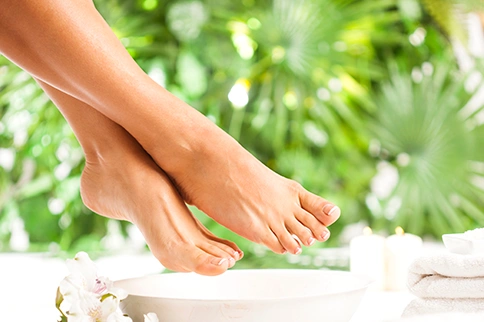
Summer heat can leave your feet tired, dry, and cracked. Sweat, high temperatures, and open shoes remove the natural moisture. Walking barefoot exposes your skin to dirt and rough surfaces. However, a little extra summer foot care can keep your feet soft and cool all season long. Factors such as sweat, sun damage, and diet can lead to multiple problems. To avoid all this, feet require extra care. In this blog, we will focus on foot care tips to keep feet beautiful in summer and the foot care routine one should follow for healthy feet.
Why Do Feet Need Extra Care During Summer?
Feet need extra care in summer because the moisture and heat team up against them:
- Dry, cracked heels – Heat and sweat pull moisture from skin, leading to rough, cracked heels.
- More exposure to sun: Open footwear leaves the feet unprotected. This can lead to sunburn and skin damage.
- More dirt and bacteria contact: Walking barefoot and in sandals exposes the feet to blisters, cuts and outdoor grime
- Mild swelling: The heat expands the blood vessels and causes the feet and ankles to swell after walking or standing.
- Fungal growth in footwear: Sandals and sweaty shoes become a breeding ground if not aired out.
Common Summer Foot Problems to Watch Out For
Summer weather brings many challenges for the feet, including fungal infections, heel conditions, and skin damage from the heat and lack of support. Wearing uncomfortable sandals or walking barefoot can trigger seasonal issues.
Nail and skin concerns
- Blisters: Painful fluid-filled pockets can develop due to friction from sweat and bare skin rubbing against new summer shoes.
- Athlete's Foot: An itchy fungal infection that thrives in the warm and damp public areas like gym showers or pool decks.
- Sunburn: Red and tender skin on the often forgotten tops of the feet.
- Dry and cracked heels: Skin dehydration caused by open-back shoes or walking barefoot.
Pain and Structural Issues
- Swollen feet: Fluid buildup from the heat expanding your blood vessels makes the shoes feel tight
- Plantar Fasciitis: Sharp heel pain in the morning that is caused by lack of arch support in flat flip-flops
- Puncture wounds and cuts: Sharp objects such as shells and glass hidden in the sand or grass when walking without shoes.
7 Tips for Beautiful Summer Feet
To get your feet ready for summer, focus on the seven key steps.
- Wear sandals with support: Avoid flat flip-flops for long walks. Choose supportive sandals that protect your arches.
- Wash and dry thoroughly: Clean your feet every day with warm water and mild soap. Dry them completely between your toes to stop fungal growth.
- Apply sunscreen: Rub an SPF 30 sunscreen on the tops and exposed parts of your feet before going outside.
- Moisturise your feet at night: Put on a thick foot cream or lotion after washing. Put on clean cotton socks afterwards to trap moisture while you sleep.
- Exfoliate gently: Use a pumice stone or soft foot file on rough spots and dry heels. Do not scrub too hard or too often.
- Never go barefoot in public: Wear sandals and flip-flops in locker rooms, public pools and shared showers to prevent warts and athlete's foot.
- Trim nails straight across: Cut your toenails straight across to prevent ingrown nails. File sharp edges smoothly.
Daily Foot Care Routine for Healthy Feet
If you want healthy feet in summer, follow a routine that keeps them beautiful and in good condition. Here's how:
- Wash daily: Use lukewarm water and mild soap to scrub all the surfaces of the foot gently.
- Pat dry completely: Pat your feet dry with a towel and ensure no moisture is trapped between your toes to prevent any fungal infections.
- Moisturise: Apply foot cream or lotion to soles and heels. Skip the lotion between toes to avoid skin breakdown.
- Inspect your skin: Look for any blisters, cuts, peeling or redness.
- Trim your nails: Cut the toenails straight across and file the sharp edges gently to avoid painful ingrown nails
- Exfoliate gently: Use a pumice stone during the shower on the damp skin to reduce dead skin buildup on the heels.
- Rotate footwear: Let the shoes air out completely for 24 hrs between wears to manage odour and sweat.
Foot Care Mistakes to Avoid During Summer
If you want healthy feet in summer, avoid common mistakes that can lead to fungal infections, severe joint pain and burns. Here's how you can avoid the major summer foot mistakes and why you should avoid them.
- Choosing unsupportive slides: Backless shoes without heel straps force your toes to grip unnaturally, straining the tendons.
- Wearing flat flip-flops all day: Fleshy and thin soles offer zero shock absorption. This leads to heel pain and arch strain.
- Ignoring break-in periods: Wearing new strappy sandals for long walks can lead to painful friction blisters
- Leaving the feet damp in shoes: Trapped moisture and sweat can create an ideal environment for fungal and bacterial growth
- Over-exfoliating dry skin: Aggressive scraping and grating of summer calluses can cause micro-tears and worsen skin thickening.
Signs Your Feet Need Professional Attention
You should consult a foot specialist if you experience the following:
Pain and Mobility Issues
- Joint stiffness and swelling that makes standing hard
- Chronic heel or arch pain that hurts more during your first steps in the morning
- Difficulty in walking or a noticeable change in how you walk
- Aching and sharp pain that does not go away with rest or over-the-counter care.
Structural Changes
- Sudden swelling combined with warmth and redness in one foot
- New or growing bumps like hammertoes and bunions
- Collapsing arches or visible changes in the shape of the foot
Skin and Nail problems
- Slow-healing sores, ulcers and cuts on the toes and feet
- Tingling, numbness and burning feeling that can signal nerve issues
- Severe, thick, yellow and painful ingrown toenails
How Does Homeopathy Help Manage Foot Problems?
Homeopathy manages foot problems such as heel spurs, plantar fasciitis, and joint pain by using individual plant, mineral, and animal remedies to stimulate the body's natural healing processes. The doctors select these remedies based on the person's unique symptom pattern rather than the structural foot condition itself. Remedies are tailored to your distinct physical sensations and lifestyle factors. Structural issues such as deep tears, flat feet, and advanced deformities require conventional podiatry, proper orthotics and physical therapy alongside alternative care.
Conclusion
- Summer heat, sweat, and open footwear strip moisture from your feet, making them prone to dryness, fungal infections, and cracked heels.
- Avoiding mistakes like wearing damp shoes, unsupportive slides and over-exfoliation helps protect the joints and skin through the season
- Following a simple routine like washing and drying thoroughly, moisturising, and wearing supportive footwear can prevent common summer foot problems
- Swelling, pain and slow-healing wounds are signs to consult a foot specialist rather than waiting it out.
- With the right care and treatments, such as homeopathy for underlying issues, you can help keep your feet healthy and summer-ready.
Frequently Asked Questions


More Articles

Trending Now
What is lichen planus classification?
Can Lichen Planus be itchy?
Natural Remedies for Lichen Planus
Get Your Personalised Health Treatment Today


Working hours: 10am to 9pm daily.
Have Enquiries?
Leave your details and our hair therapy specialist will respond to your query shortly.