
- 28+ Years of experience
- Dermatology,
- Hair Specialist,
- Oncology,
- Pediatrics,
- Skin Specialist
Get AI Powered Quick Summary




Wondering what causes Acne? It occurs when hair follicles become clogged with bacteria, oil, and dead skin cells. The primary causes include:
- Excess oil production (sebum)
- Hormonal changes
- Stress and diet
- Bacterial infections
- Genetics
Practical Tip: If you frequently touch your face, keep a pack of tissues handy or tie your hair back to prevent oil transfer.
Types of Acne
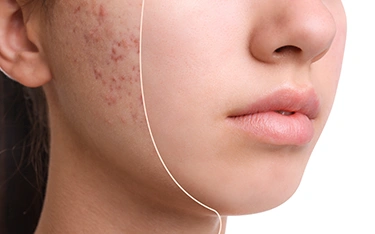
Common symptoms of acne include redness, clogged pores and painful bumps, which fall into two broad types: Non-inflammatory bumps and inflamed lesions. Blackheads and whiteheads are non-inflammatory types. The inflammatory types include red bumps, pus bumps, and deep painful bumps. The specialised forms such as hormonal and fungal acne are associated with specific triggers.
1. Non-inflammatory acne
- Blackheads: Open plugs in pores where the trapped oil turns dark when it hits the air
- Whiteheads: Closed plugs in pores that resemble tiny skin coloured bumps
2. Inflammatory Acne
- Pustules: Pimples that includes yellow or white centre filled with pus and a red base
- Papules: Tender, small, pink and red bumps with no visible pus.
- Cysts: Painful, soft and pus-filled lumps under the skin that cause scars
- Nodules: Hard, large and painful lumps that form deep under the skin
3. Special causes and variants
- Fungal acne: Itchy clusters of tiny bumps that are caused by a yeast build-up in the hair follicles rather than typical bacteria
- Hormonal acne: Tender and deep breakouts around the jaw and lower face tied to shifting hormone levels
- Acne Mechanica: Breakouts triggered by heat, sweat and friction from tight clothing
Foods and Lifestyle Habits That May Influence Acne
Certain foods and daily routines can affect acne by factors such as hormone levels, increasing skin oil production, or causing inflammation. Breakouts are linked to dairy products, high-glycemic foods, stress, and poor sleep habits. Knowing the foods that trigger acne can make it easier to adjust your diet and manage flare-ups before they start.
Dietary Triggers
- Dairy products: Milk (skimmed milk) contains proteins and hormones that can increase insulin and growth factors, eventually worsening breakouts.
- High-Glycemic Foods: Foods that raise blood sugars like sugary drinks, white bread, pastries and white rice, spike insulin. This stimulates extra skin oil production
- Whey protein: Supplements that contain whey can spike insulin and cell growth. This may trigger acne flare-ups
- Fast and greasy foods: Highly processed meals containing refined oils and saturated fats may contribute to inflammation in the body.
Lifestyle Habits
- Lack of sleep: Inadequate rest harms the recovery of skin and increases inflammatory markers
- High Stress: Stress increases the hormone cortisol. This can signal your skin glands to produce more oil
- Inadequate hydration: The skin can become dehydrated if you don't drink enough water, and this can lead to excess oil production.
- Skin and hair contact: Touching your face continuously, wearing tight hats and helmets, and leaving oil-based make-up overnight can trap bacteria and clog pores.
Daily Acne Skincare Routine for Acne-Prone Skin
- Cleansing: Use a mild, non-drying cleanser.
- Serums: Apply vitamin C or peptide serums.
- Moisturising: Choose hydrating lotions, which are better than moisturisers.
- Sunscreen: Apply SPF 30+ daily to prevent hyperpigmentation.
- Daily Hack: Change your pillowcase every 3–4 days to avoid bacteria buildup.
Acne Treatment Do's and Don'ts
The right acne treatment reduces bacteria, clears blocked pores and prevents permanent scarring. Following clear skin rules protects your skin barrier and improves the effectiveness of active medicines.
The Do's of Acne Treatment
- Hydrate and protect: Apply an oil-free moisturiser and use an SPF 30+ sunscreen daily to prevent dark marks
- Be patient and consistent: Stick to a simple routine for 6 to 8 weeks before deciding if the product works
- Use gentle cleansers: Cleanse with a mild, fragrance-free and non-abrasive wash using lukewarm water
- Keep things clean: Wash your phone screens, pillow cases and bed sheets frequently
The Don'ts of Acne Treatment
- Don't use heavy make-up: Avoid oil-based or greasy cosmetics that trap dirt and clog your pores.
- Don't overwash or scrub: Washing more than twice a day or using abrasive physical scrubs damages your skin barrier and triggers more oil
- Don't layer too many products: Mixing multiple active treatments at once leads to severe irritation and dryness.
Preventive Tips to Avoid Future Breakouts and Acne Scars
If you're wondering how to prevent acne scars, the key is to stop breakouts early and protect your skin as it heals.
- Wash your face 2-3 times a day.
- Reduce stress through meditation or exercise.
- Avoid touching or picking at your face; this is key to preventing acne scars.
- Clean your phone and glasses regularly.
- Remove makeup before sleeping.
- Apply SPF daily to prevent scars and dark marks from darkening further.
Signs Your Acne May Need Professional Attention
You should see a skin doctor if your acne causes deep pain, leaves marks or scars, and does not improve after using store-bought creams for six to eight weeks.
Key Signs You Need a Skin Doctor
- Leaving marks behind: Pimples leave dark spots or pitted scars as they heal
- Deep and painful bumps: You feel hard cysts or lumps under your skin that hurt
- No results from store products: Creams from the shop do not work after a few months
- Adult breakouts: Get new and bad acne as an adult when you did not have it before
- Bad feeling: Acne makes you feel stressed, sad and bad about yourself.
Homeopathy for Acne: Treatment from Dr Batra's®
Homeopathy offers a holistic approach to acne treatment. It addresses underlying causes such as stress and hormonal imbalances. At Dr Batra's®, our customised homeopathic treatments have a 94.3% success rate (as validated by the American Quality Assessors). Our Homeopathic MediFacial and HydraFacial provide visible, lasting results
Why Choose Dr Batra's® for acne treatment
- 40+ years of experience in treating chronic and cosmetic skin conditions.
- Combination of homeopathy and science-backed aesthetics.
- Safe, non-invasive, personalised treatment plans for long-term skin health.
- 10,000+ Patients Treated with a 95% success rate by expert homeopathic dermatologists.
- International protocol to monitor treatment outcomes.
Conclusion
- Acne is common but manageable with the right approach.
- A combination of skincare, diet, and lifestyle changes can improve your skin.
- Natural remedies like tea tree oil and honey can be effective.
- Prevent breakouts by keeping your skin clean and reducing stress.
- Homeopathy provides a long-term, side-effect-free solution for acne treatment.
- Dr Batra's® offers personalised homeopathic treatment with a high success rate.
- Acne doesn't have to be a lifelong struggle. With small daily changes, the right skincare, and a holistic approach, clear skin is achievable!
Frequently Asked Questions
- Types of Acne
- Foods and Lifestyle Habits That May Influence Acne
- Daily Acne Skincare Routine for Acne-Prone Skin
- Acne Treatment Do's and Don'ts
- Preventive Tips to Avoid Future Breakouts and Acne Scars
- Signs Your Acne May Need Professional Attention
- Homeopathy for Acne: Treatment from Dr Batra's®
- Why Choose Dr Batra's® for acne treatment


More Articles
Trending Now
Cystic Acne: Causes, Symptoms, and Effective Treatment Options
Homeofacial vs. Peel vs. Microdermabrasion: Key Differences
Your Complete Guide to HomeoFacials
Get Your Personalised Health Treatment Today


Working hours: 10am to 9pm daily.
Have Enquiries?
Leave your details and our hair therapy specialist will respond to your query shortly.