
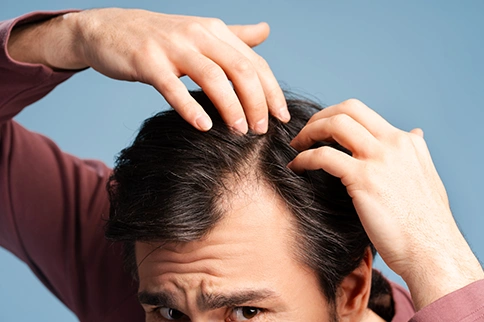
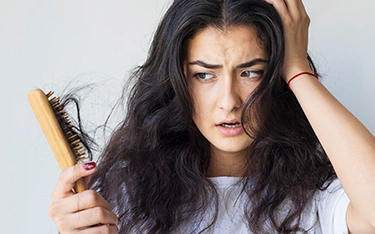
Have you recently started a steroid medication and noticed increased hair shedding while washing or brushing your hair? Many people are surprised to learn that certain steroid medications can influence the hair growth cycle and contribute to hair thinning.
Hair loss related to steroid use can occur due to hormonal shifts, changes in follicle activity, or increased sensitivity of hair roots to androgens. Understanding does steroids cause hair loss and identifying the underlying mechanism can help manage the condition early and minimise long-term thinning.
With timely diagnosis and personalised care, it is often possible to stabilise shedding, strengthen follicles, and support healthier hair growth.
About Dr Batra’s® Hair Loss Treatment
Hair loss at Dr Batra’s® is addressed through a personalised, root-cause-based approach. Doctors assess multiple factors that may contribute to hair thinning, including medication history, hormonal balance, nutritional health, genetic predisposition, and scalp condition.
The customised treatment plan focuses on:
- Reducing excessive hair shedding
- Strengthening weakened follicles
- Restoring scalp balance
- Supporting healthier hair growth cycles
- Improving overall hair density
With decades of experience in trichology and homeopathic dermatology, Dr Batra’s® provides safe, non-surgical, and side-effect-free care aimed at long-term hair health.
Which Steroids Cause Hair Loss?
Not all steroids affect hair growth in the same way. However, certain steroid medications may affect hormone levels or disrupt the normal hair cycle, leading to increased shedding.
Common steroids associated with hair thinning include:
| Steroid Type | Common Use | Possible Hair Impact |
|---|---|---|
| Anabolic steroids | Muscle growth and athletic performance | Increased DHT activity leading to follicle miniaturisation |
| Corticosteroids | Autoimmune and inflammatory conditions | Temporary disruption of hair growth cycle |
| Prednisone | Anti-inflammatory and immune suppression | Diffuse hair shedding in some individuals |
| Testosterone-based steroids | Hormone therapy or performance use | Increased androgen-related hair loss |
People who are genetically predisposed to androgen-related hair thinning may experience stronger effects from anabolic steroids.
How Do Steroids Cause Hair Loss?
To understand can steroid cause hair loss, it is important to look at how these medications interact with the hair growth cycle.
Hair follicles grow through a repeating cycle consisting of:
- Anagen phase – active growth phase
- Catagen phase – transitional phase
- Telogen phase – resting and shedding phase
Steroids may influence this cycle in several ways:
1. Increased Androgen Activity
Some steroids increase androgen hormones in the body. These hormones can be converted into DHT (dihydrotestosterone), which shrinks hair follicles in sensitive areas.
2. Follicle Miniaturisation
DHT gradually causes follicles to produce thinner and weaker strands, leading to visible thinning over time.
3. Hair Cycle Disruption
Certain medications may push follicles prematurely into the resting phase, causing telogen effluvium, a condition where large numbers of hairs are shed simultaneously.
4. Hormonal Imbalance
Steroids can alter hormonal equilibrium, which may affect scalp health and hair growth patterns.
This is why many people ask does steroids make you lose hair, especially after starting long-term medication.
Prednisone and Hair Loss
Prednisone is a corticosteroid commonly prescribed for conditions such as asthma, autoimmune disorders, allergies, and inflammatory diseases.
While prednisone is effective in controlling inflammation, some individuals may experience hair thinning during prolonged use.
Possible reasons include:
- Temporary disruption of the hair growth cycle
- Hormonal fluctuations
- Nutritional changes associated with long-term medication use
In most cases, prednisone-related shedding is temporary, and hair growth may improve once the medication is reduced or discontinued under medical supervision.
However, persistent thinning should be evaluated by a hair specialist.
Do Steroids Cause Hair Loss in Women?
Yes, steroids and hair loss can affect women as well, although the pattern may differ from men.
Women may notice:
- Diffuse thinning across the scalp
- Reduced hair density
- Increased shedding during brushing or washing
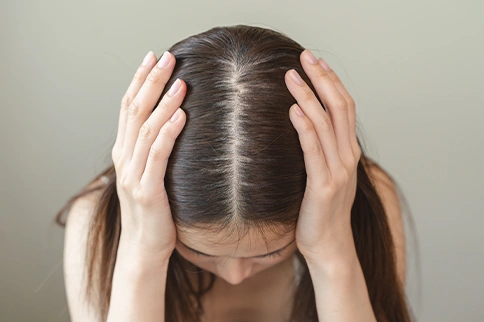
- Widening of the hair part
Women with hormonal conditions such as PCOS or thyroid imbalance may be more sensitive to steroid-related hair changes.
Early consultation helps identify whether the hair loss is medication-related or linked to another underlying condition.
How to Prevent Steroid-Related Hair Loss
Preventing medication-related hair thinning involves managing both internal and external factors that affect follicle health.
Some useful preventive steps include:
Monitor Medication
Use Always follow the prescribed dosage and consult your doctor before making changes to steroid medication.
Maintain Nutritional Balance
Healthy hair requires adequate intake of:
- Iron
- Protein
- Zinc
- Vitamin D
- B-complex
- vitamins
Nutritional deficiencies may worsen steroid-related hair fall.
Manage Stress Levels
Chronic stress can intensify shedding by disrupting hormonal balance and the hair growth cycle.
Gentle Hair Care
Avoid excessive chemical treatments, tight hairstyles, or frequent heat styling that can weaken hair shafts.
Early Professional Evaluation
If hair shedding persists for more than three months, consulting a specialist can help identify the underlying trigger and prevent further thinning.
Many individuals also search for guidance on how to stop hair fall for men or explore mens hair care practices that support stronger follicles during treatment.
How to Fix Steroid-Related Hair Loss – Homeopathic Hair Treatment
Homeopathy focuses on treating the internal imbalance that contributes to hair thinning, rather than only addressing the external symptoms.
At Dr Batra’s®, treatment for steroid-related hair loss is personalised after evaluating:
- Medication history
- Hormonal profile
- Genetic predisposition
- Nutritional health
- Stress patterns
- Scalp condition
The treatment aims to:
- Reduce active hair shedding
- Strengthen weakened hair follicles
- Support natural hair regrowth
- Improve scalp health and circulation
As part of a comprehensive approach, patients may also receive guidance on hair fall treatment, best hair fall treatment for men, and personalised hair care practices that support recovery.
Many individuals notice reduced shedding within 4–6 weeks, with visible improvement in hair density within 3–6 months, depending on individual health factors.
Strengthen your hair from the root with expert homeopathic care
Book an AppointmentConclusion
Steroid-related hair loss can occur when medications influence hormone levels or disrupt the hair growth cycle.
Key factors include:
- Hormonal changes caused by steroid medications
- Increased androgen or DHT activity
- Disruption of the hair growth cycle
- Genetic susceptibility to hair thinning
- Nutritional or stress-related triggers
Early identification of the cause and timely treatment can help stabilise shedding and support healthier hair regrowth. With personalised care and a root-cause-based approach, long-term hair health can be effectively managed.
Frequently Asked Questions


More in Hair
Trending Now
Types of Hair Loss: Understanding Different Hair Loss Conditions
Symptoms of Male Pattern Baldness & Early Signs of Hair Loss
Causes of Male Pattern Baldness: Why Hair Loss Happens in Men
Get Your Personalised Health Treatment Today


Working hours: 10am to 9pm daily.
Have Enquiries?
Leave your details and our hair therapy specialist will respond to your query shortly.