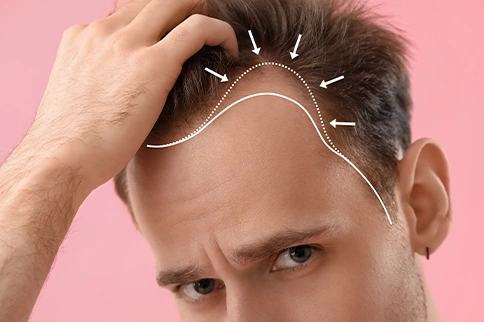
Hair loss can affect confidence and self-image, which is why many people consider a hair transplant as a long-term solution. However, some individuals notice hair shedding after a hair transplant, which can be worrying if they are unaware that this is often part of the healing process.
In many cases, temporary hair loss after a hair transplant is called hair shock loss, in which transplanted or surrounding hair sheds before new growth begins. While this may seem alarming, it is usually temporary and occurs as the scalp adjusts to the procedure.
Understanding why this happens and how to support healthy regrowth is important. Along with medical care, natural approaches such as homeopathy may help improve scalp health and support hair growth.
About Dr Batra’s® Hair Transplant Treatment
At Dr Batra’s®, hair restoration focuses on personalised treatment and long-term scalp health. Our approach combines advanced diagnostic methods with holistic care to help patients manage hair loss effectively. The treatment plan is designed after evaluating factors such as hair loss pattern, scalp condition, lifestyle, and underlying health concerns. This personalised approach ensures that each patient receives care suited to their specific needs.
Why Does Hair Fall Happen After a Hair Transplant?
Experiencing hair shedding after a hair transplant is quite common during the early recovery phase. This condition, known as shock loss, occurs when the scalp reacts to the surgical procedure. During this stage, both transplanted and nearby hair may shed temporarily before the follicles begin producing new hair.
Common Causes
Several factors can contribute to hair fall after a hair transplant, including:
1. Surgical Stress on Hair Follicles
The transplant procedure can temporarily disrupt the hair growth cycle.
2. Scalp Healing Process
As the scalp heals, hair follicles may enter a resting phase, leading to temporary shedding.
3. Poor Blood Circulation
Reduced blood supply to newly transplanted follicles may slow down early growth.
4. Improper Post-Procedure Care
Not following aftercare instructions can affect follicle health.
5. Hormonal or Genetic Factors
Underlying hair loss conditions may continue even after the transplant.
Shock Loss: How Long Does It Last and Will It Recover?
Hair shock loss after transplant usually occurs within 2–8 weeks after the procedure. While it may appear alarming, this phase is typically temporary.
In most cases:
- Shedding slows down after a few weeks
- New hair growth begins within 3–4 months
- Visible improvement may be seen within 6–12 months
With proper scalp care and medical guidance, the transplanted follicles often begin producing new hair.
Factors Affecting Post-Transplant Hair Growth
The success of a hair transplant and the recovery process can depend on several factors:
- Age and overall health
- Quality of donor hair follicles
- Surgical technique used
- Scalp health and blood circulation
- Post-treatment care and lifestyle habits
Maintaining a healthy diet, reducing stress, and following medical advice can support better results.
Best Homeopathic Medicines for Hair Transplant Support
Homeopathy focuses on treating the root cause of hair problems rather than only managing symptoms. Some commonly prescribed homeopathic medicines for hair loss after a hair transplant include:
| Homeopathic Medicine | How It May Help |
|---|---|
| Fluoric Acid | Often recommended when hair loss occurs due to weakened hair follicles. |
| Phosphorus | May help with hair thinning and excessive shedding. |
| Natrum Mur | Frequently used when hair loss is linked to stress or emotional factors. |
| Silicea | Supports scalp health and helps strengthen hair roots. |
These medicines are prescribed only after a detailed consultation with a qualified homeopathic doctor.
Dr Batra's® Pro Tip
Temporary hair shock loss after transplant is common in the first few weeks. Stay patient, follow proper scalp care, and consult your doctor to support healthy hair regrowth.
How Homeopathy Benefits in Treating Hair Transplant Concerns
Homeopathy may support recovery after a hair transplant by improving overall scalp health and promoting natural hair growth.
Some potential benefits include:
Strengthening hair follicles: Supports follicle health and resilience, reducing post-transplant hair fall.
Improving scalp circulation: Enhances blood flow to the scalp, nourishing follicles for better regrowth.
Reducing inflammation: Calms irritation and swelling, promoting a healthy scalp environment.
Managing shock loss: Helps minimise temporary hair shedding after transplant procedures.
Promoting natural regrowth: Encourages gradual and sustainable hair regrowth for fuller results.
Personalised care: Remedies are personalised to individual symptoms and overall health for optimal outcomes.
Conclusion
- Transplanted Hair Stays, But Overall Density May Not Improve – While transplanted hair does not fall out, the procedure does not stop ongoing natural hair loss.
- Natural Hair Can be Affected – The hair follicles around the transplanted area may continue to thin, thereby affecting overall hair density.
- Homeopathy is a safe, natural, and effective treatment that strengthens hair naturally without surgery.
- Prevents Future Hair Loss – Nourishes follicles and stops further shedding.
- Promotes Healthy Regrowth – Helps hair grow naturally from within.
- Safe & Long-Lasting – Clinically proven and side-effect-free solution for sustainable results.
- Faster and Better Healing – Proper post-treatment care and additional treatments support recovery and hair retention.
Frequently Asked Questions
- Introduction: Understanding Hair Loss After a Hair Transplant
- About Dr Batra’s® Hair Transplant Treatment
- Why Does Hair Fall Happen After a Hair Transplant?
- Hair Shock Loss After Transplant: What It Means
- Common Causes of Shedding Hair After Hair Transplant
- Shock Loss: How Long Does It Last and Will It Recover?
- Factors Affecting Post-Transplant Hair Growth
- Best Homeopathic Medicines for Hair Transplant Recovery
- How Homeopathy Helps Manage Hair Loss After Hair Transplant
- FAQs
- Conclusion


More in Hair
Trending Now
Types of Hair Loss: Understanding Different Hair Loss Conditions
Symptoms of Male Pattern Baldness & Early Signs of Hair Loss
Causes of Male Pattern Baldness: Why Hair Loss Happens in Men
Get Your Personalised Health Treatment Today


Working hours: 10am to 9pm daily.
Have Enquiries?
Leave your details and our hair therapy specialist will respond to your query shortly.