
24+ years of experience
Leading Trichologist, Dermatologist & Homeopath | Advisor & Past President Trichological Society of London
Get AI Powered Quick Summary




Your hairstyle choices and salon treatments can significantly impact your hair health. Tight hairstyles, excessive heat styling, and chemical treatments can weaken hair follicles, cause breakage, and lead to long-term hair loss. This blog explores:
- How certain hairstyles contribute to hair loss
- The impact of salon treatments on hair health
- Preventive measures and healthier styling options
- FAQs on preventing hairstyle-related hair loss
Understanding the Link Between Hairstyles and Hair Loss
Certain hairstyles can put excessive tension on hair follicles, leading to traction alopecia, a condition that causes gradual thinning and hair loss.
What Is Traction Alopecia?
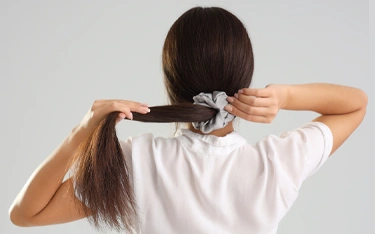
Traction alopecia is a form of hair loss resulting from consistent tension on hair follicles from tight hairstyles such as braids, cornrows, weaves, tight ponytails, and buns. This condition is particularly prevalent among individuals in professions that require specific hairstyles, such as nurses. Repeated pulling can lead to hair thinning and, if left unaddressed, permanent hair loss.
Impact on Hair Follicles
- Prolonged pulling inflames follicles, weakening hair growth.
- Hair at the hairline and crown is most susceptible.
Prevention Tips
- Avoid tight hairstyles for extended periods
- Let hair down regularly to reduce stress on follicles
Tension and Scalp Health
- Tight hairstyles restrict blood flow, affecting hair follicle nutrition
- Can lead to scalp pain, irritation, and thinning hair
Safe Styling Practices
- Opt for looser styles like low ponytails and soft braids
- Use fabric hair ties instead of rubber bands to prevent breakage
Hairstyles That May Lead to Hair Loss
Tight Ponytails
- Constantly tying hair in high, tight ponytails leads to hair breakage and receding hairlines
- Marginal hair loss is common along the forehead and temple area
Twisting Hair into a Bun
- Twisting hair into tight buns causes stress on the roots, leading to bald patches
- Excessive friction from hairpins weakens strands
Braids and Cornrows
- Tightly woven braids exert pressure on the scalp, leading to traction alopecia
- Prolonged braiding causes follicle weakening and hair shedding
Tight Hairstyles and Trichotillomania
- Tight pins pulled back in children
- Work-related hairstyles in nurses and tight caps can lead to trichotillomania
Up-dos
- Requires excessive backcombing and hairpins, weakening the roots over time
- Should be worn occasionally rather than daily
Straightened Hair
- Daily use of flat irons and chemical relaxers weakens hair structure
- Excessive heat strips moisture, leading to dryness and breakage
Differentiate Hair Breakage vs Hair Loss
Hair breakage and hair loss are two different problems. Hair loss happens at the root, while hair breakage takes place along the shaft. Hair loss also reduces the overall hair density. Below are the differences between hair loss and hair breakage.
| Feature | Hair Loss | Hair Breakage |
|---|---|---|
| Where it occurs | Hair falls from the root | Hair breaks along the shaft |
| Common causes | Genetics, stress, hormonal changes, nutritional deficiencies, and hairstyles that cause hair loss | Heat, dryness, chemicals, and rough handling |
| How it looks | Full-length hair strands with a tiny white tip at the root | Short and broken strands |
| Scalp appearance | Thinning or a wider parting | Scalp appears normal |
| Hair fall prevention | Avoid tight hairstyles, gentle hair care and opt for healthy diet | Minimise heat and chemicals, keep hair moisturised |
| When to act | Continuous shedding may need hair fall treatment | Ongoing breakage needs damage repair and expert advice |
Early Signs Your Hairstyle Is Damaging Your Hair
Early signs of a damaging hairstyle include hairline recession, scalp tenderness, and mid-shaft breakage. These warning signs emerge from friction, constant tension, and harsh chemical manipulation. Physical warning signs include throbbing and soreness around the temples and forehead from heavy pulling; short, stubby hairs or a receding hairline where hair is pulled tight; and tiny red bumps and irritation around the hair roots. Hair breakage and mid-shaft damage may also increase when you take your hair down. The hair may also stay bent or crimped in the exact shape of the last elastic or braid.
Hair Loss Test
A simple pull test can help you check whether you are experiencing more-than-normal daily hair fall. Just take a small section of hair, and if more than a few strands come away easily, it is time to look into the cause and consult a hair doctor. Want to better understand your hair health? Take the Dr Batra's® Hair Loss Test online to assess your hair concerns and get personalised insights.
Who Is at Higher Risk?
People at higher risk for hair loss include those with a history of pattern baldness, older adults, and individuals experiencing hormonal changes. People with parents or grandparents who have experienced thinning hair or baldness also face a high risk of hereditary hair loss. This also includes women who have been through menopause, postpartum recovery after childbirth, or those living with PCOS.
Individuals with thyroid disease and autoimmune diseases are also at risk, along with those dealing with scalp infections and alopecia areata. It also affects people with low iron levels and poor nutrition. Apart from this, it also affects individuals undergoing severe physical and emotional stress, rapid weight loss, and high fever, as well as people who wear tight hairstyles like ponytails, cornrows, and braids that cause tension on the scalp.
Salon Treatments and Their Impact on Hair Health
Some salon treatments contain harsh chemicals and extreme heat, causing long-term damage
Chemical Hair Treatments
Relaxers and Straighteners
- Chemically alter hair structure, making it more fragile over time
- Repeated treatments cause irreversible hair thinning
Dyes and Bleaches
- Harsh colouring agents strip natural hair proteins, making strands brittle
- Frequent bleaching leads to scalp irritation and hair breakage
Heat-Based Styling
Blow Drying
- High heat removes moisture from hair, making it prone to breakage
Flat Irons and Curling Wands
- Frequent heat styling weakens keratin bonds, leading to split ends and dullness
Hair Accessories
Tight Hair Ties and Clips
- Constant use of elastic bands leads to hair breakage at the crown
- Metal hair accessories cause snapping of strands
Alternatives to Prevent Damage
- Use fabric scrunchies and loose clips to avoid unnecessary tension
- Change up hairstyles to prevent breakage at the same spot.
Preventive Measures and Healthy Hair Practices
To maintain strong and healthy hair, adopt gentle styling and proper hair care habits
Choosing Low-Tension Hairstyles
Loose Braids and Ponytails
- Opt for low, loose ponytails to reduce tension
- Braids should be comfortable and not tightly woven.
Protective Styles
- Use silk or satin scarves to reduce hair friction
- Consider loose buns and clip-in extensions instead of tight hairstyles
Proper Hair Care Routine
Gentle Washing and Drying
- Avoid over-washing, which can strip hair of natural oils
- Use lukewarm water instead of hot water to protect cuticles
Regular Conditioning
- Condition hair after every wash to maintain moisture
- Deep conditioning once a week strengthens weak strands
Can Hair Grow Back?
Hair can grow back when the underlying cause is treated. Measures such as following a protein-rich diet, daily scalp massage, intake of adequate iron, zinc and vitamin D and diluted rosemary oil may help in supporting hair growth. Besides, Dr Batra's® offers personalised hair fall treatments with advanced solutions such as Hair Gain, XOGEN Advance® and groHair™ to repair your hair follicles and stimulate hair growth and improve hair density.
Consulting Hair Care Professionals
Importance of Professional Guidance
- A hair expert can analyse scalp health and suggest personalised treatments
Personalised Hair Care Plans
- Consultation ensures safe styling practices and treatment options
Why Choose Dr Batra's for treating hair loss caused due to tight hairstyles?
At Dr Batra's®, we provide holistic, homeopathy-based solutions to prevent hair damage caused by styling and salon treatments.
- Video Microscopic Scalp Analysis: Utilising a video microscope that magnifies the scalp and hair follicles up to 200 times, our experts assess scalp health, identify damage from tight hairstyles, and personalise treatments accordingly
- Safe & Natural Homeopathic Treatments: Strengthens hair follicles, reduces damage, and promotes healthy regrowth
- Proven Results: 96.6% success rate in preventing hair thinning and breakage
- Accelerated Hair Growth with XOGEN treatment: Dr Batra's® XOGEN is an exosome-based treatment that revitalises hair follicles and promotes accelerated hair growth. It is effective for various causes of hair loss, including those induced by styling practices. Other treatments are STM and groHair
Conclusion
- Tight hairstyles and harsh salon treatments can cause significant hair loss over time
- Choosing gentler styles and adopting a healthy hair care routine can protect hair follicle
- Consulting hair care professionals for guidance is essential to prevent permanent damage
Sources
- National Institutes of Health – Hair Loss & Styling Damage
- American Academy of Dermatology – Traction Alopecia & Prevention
Frequently Asked Questions
- Receding hairline and thinning at the temples
- Scalp sensitivity and small bald patches
- Limit tight hairstyles to 2-3 times a week
- Use heat styling sparingly (once a week or less)
- Deep condition regularly to restore strength
- Understanding the Link Between Hairstyles and Hair Loss
- What Is Traction Alopecia?
- Hairstyles That May Lead to Hair Loss
- Differentiate Hair Breakage vs Hair Loss
- Early Signs Your Hairstyle Is Damaging Your Hair
- Who Is at Higher Risk?
- Salon Treatments and Their Impact on Hair Health
- Preventive Measures and Healthy Hair Practices
- Can Hair Grow Back?
- Consulting Hair Care Professionals
- Why Choose Dr Batra's for treating hair loss caused due to tight hairstyles?
- References


More Articles
Trending Now
Types of Hair Loss: Understanding Different Hair Loss Conditions
Symptoms of Male Pattern Baldness & Early Signs of Hair Loss
Causes of Male Pattern Baldness: Why Hair Loss Happens in Men
Get Your Personalised Health Treatment Today


Working hours: 10am to 9pm daily.
Have Enquiries?
Leave your details and our hair therapy specialist will respond to your query shortly.