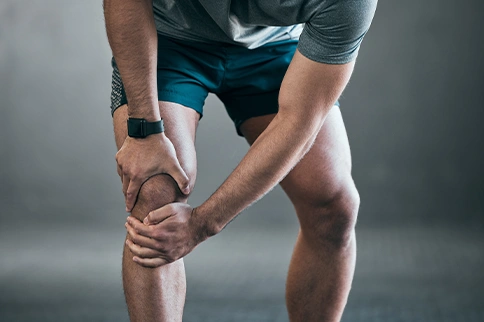
"Your knees shouldn't make you think twice before taking the next step." If climbing stairs, getting up from a chair, or even a short walk has started to feel painful, don't dismiss it as just ageing or tiredness. Persistent knee pain is often your body's way of signalling that something needs attention, and you must take care of it seriously.
Whether it's due to an injury, knee osteoarthritis, or everyday wear and tear, identifying the underlying cause of knee pain early can help you prevent long-term joint damage. In this blog, we'll explore the common causes of knee pain, the warning signs you shouldn't ignore, and the knee pain treatment options- including homeopathy for knee pain-that can help you move with greater comfort and confidence.
What Is Knee Pain?
Knee pain refers to discomfort, stiffness, swelling, or tenderness in or around the knee joint. It can affect one or both knees and may range from mild irritation to severe pain that interferes with your daily activities.
The knee is one of the largest and most complex joints in the body. It supports your body weight and plays a crucial role in your walking, running, climbing stairs, bending, and standing.
Because the knee is used constantly, it is particularly vulnerable to wear and tear, injuries, and age-related changes.
Knee pain may develop suddenly after an injury or gradually over time due to underlying joint conditions.
Different Types of Knee Pain
The knee pain varies by location and cause. Knee pain can range from front-of-knee overuse injuries (e.g., patellofemoral pain syndrome [runner's/jumper's knee]) to structural damage (e.g., meniscus tears, ligament sprains [ACL/MCL]) and degenerative arthritis. It is important to determine where and how the pain began to make an accurate diagnosis. Let’s understand the different types of knee pain.
Front of the Knee
- Patellofemoral Pain: Dull ache around or under the kneecap. This is common when climbing the stairs or sitting for long periods.
- Bursitis: Swelling and tender warmth from frequent kneeling or friction
Deep inside or back of the knee
- Osteoarthritis: Grinding sounds, chronic stiffness and a dull ache from cartilage wear.
- ACL/PCL Tears: Loud pop, deep instability, and rapid swelling from sudden stops or pivots
- Baker’s Cyst: Fluid-filled swelling or tightness behind the knee joint.
Inner and Outer Sides
- IT Band Syndrome: Burning pain on the outer side of the knee. This is common in runners
- Meniscus Tear: Sharp and catching pain on the inner or outer joint line. This is triggered by twisting.
- Collateral Ligament Sprain: Pain on the inner circle (MCL) or outer (LCL) side caused by stress or sideways impact.
Common Symptoms of Knee Pain
The symptoms of knee pain can vary depending on the underlying cause.
Common signs include:
- Pain while walking or climbing stairs
- Swelling around the knee joint
- Stiffness, especially after resting
- Difficulty bending or straightening the knee
- Clicking or grinding sensations
- Weakness or instability
- Redness or warmth around the knee
- Reduced range of movement
Some people may also notice pain worsening after physical activity or prolonged sitting.
What Causes Knee Pain?
Several factors can contribute to knee pain, ranging from injuries and chronic joint conditions to more common issues.
Osteoarthritis
One of the most common causes of knee pain is osteoarthritis, a condition in which the protective cartilage cushioning the joint gradually wears away.
This can lead to pain, stiffness, swelling, and reduced flexibility.
Knee Injuries
Falls, sports injuries, and sudden twists can damage ligaments, tendons, or cartilage within the knee joint and cause you severe pain.
Overuse
Repeated stress from activities such as running, cycling, or squatting may cause inflammation and discomfort over time.
Excess Weight
Carrying extra body weight places additional pressure on the knees, accelerating joint wear and increasing the risk of chronic pain.
Inflammatory Conditions
Conditions such as rheumatoid arthritis can cause joint inflammation, leading to pain and swelling in your knees, and sometimes even elsewhere.
Poor Posture and Muscle Imbalances
Weak muscles around the knees and improper body mechanics can increase strain on the joint.
Common Conditions Linked to Knee Pain
Understanding the underlying condition can help determine the most appropriate treatment for knee pain.
Osteoarthritis Knee
The most common form of arthritis affects the knee. It develops gradually and is often associated with ageing and cartilage degeneration. It is more common among women as they lack calcium with age.
Rheumatoid Arthritis
An autoimmune condition that causes inflammation in the joints, including the knees.
Meniscus Tear
A tear in the cartilage that acts as a shock absorber within the knee joint.
Ligament Injuries
Damage to ligaments such as the ACL or MCL can result in pain, instability, and swelling.
Tendinitis
Inflammation of the tendons around the knee due to repetitive movements or overuse.
Bursitis
Inflammation of the fluid-filled sacs that cushion the knee joint is known as Bursitis.
When Is Knee Pain Serious?
While occasional discomfort may not always indicate a serious problem, certain symptoms should not be ignored, as they can lead to severe discomfort or suffering in the future.
Seek medical attention if you experience:
- Severe or persistent pain
- Significant swelling
- Difficulty bearing weight
- Knee instability
- Inability to fully bend or straighten the knee
- Redness and warmth around the joint
- Fever accompanied by knee pain
- Pain following a major injury
Early diagnosis can help prevent long-term joint damage and improve your treatment outcomes.
How Is Knee Pain Diagnosed?
Diagnosing knee pain typically begins with a detailed medical evaluation by the doctor with the help of X-rays or MRI.
A doctor may assess:
- Your symptoms
- Medical history
- Previous injuries
- Physical activity levels
- Joint mobility and stability
Depending on the condition, additional investigations, such as blood tests and other procedures, may be recommended to identify the underlying cause.
Knee Pain Treatment Options
Treatment for right knee pain depends on the cause and severity of the condition.
Treatment approaches may include:
Lifestyle Modifications
Maintaining a healthy weight and avoiding activities that strain the knee can help reduce symptoms.
Physiotherapy
Strengthening the muscles around the knee improves joint support and mobility.
Medications
Pain-relieving and anti-inflammatory medications may help manage symptoms when prescribed by a healthcare professional.
Supportive Devices
Knee braces and orthotic supports may help reduce stress on the joint.
Surgical Treatment
In severe cases involving significant joint damage, surgical intervention may be considered.
Homeopathy for Knee Pain
Many individuals looking for a holistic approach explore homeopathy for knee pain as part of their overall management plan.
Homeopathy follows an individualised approach, focusing on understanding the person's symptoms, medical history, lifestyle, and overall health rather than simply addressing joint pain.
The treatment plan is personalised based on the individual's condition and may help support joint health, mobility, and overall well-being.
Because every person's experience with knee pain is different, the treatment is also personalised according to their specific needs.
How Dr Batra's® Helps Manage Knee Pain
At Dr Batra's®, knee pain management focuses on understanding the root cause behind the discomfort rather than simply addressing the symptoms.
The treatment approach considers factors such as:
- Age and lifestyle
- Medical history
- Existing joint conditions
- Previous injuries
- Overall health profile
Through personalised homeopathic treatment, lifestyle guidance, and long-term care, the aim is to help patients manage chronic knee concerns more effectively.
Backed by 35+ years of clinical expertise, 1.5 million+ happy patients globally, 350+ experienced doctors, and 200+ clinics across 7 countries, Dr Batra's® offers a personalised and holistic approach to joint health.
Tips to Protect Your Knee Joints
Healthy habits can play a major role in preventing knee problems and maintaining mobility in your body.
Consider these simple steps:
- Maintain a healthy weight
- Stay physically active
- Strengthen your leg muscles
- Wear supportive footwear
- Avoid prolonged sitting
- Stretch regularly
- Warm up before exercise
- Avoid sudden increases in physical activity
- Follow a balanced diet
Small lifestyle changes can go a long way in supporting long-term joint health.
When Should You Consult a Doctor?
You should consider consulting a doctor if:
- Knee pain lasts for several weeks
- Symptoms continue to worsen
- Swelling does not improve
- Daily activities become difficult
- You experience recurrent episodes of knee pain
- Mobility becomes increasingly limited
Timely evaluation can help identify the underlying cause and prevent complications.
Conclusion
Knee pain is more than just an occasional inconvenience. Whether caused by an injury, overuse, inflammation, or osteoarthritis, persistent knee pain can affect mobility, independence, and overall quality of life.
Understanding the common causes of knee pain, recognising early warning signs, and seeking appropriate medical treatment can help you take control of your joint health before symptoms become more severe and unmanageable.
While lifestyle changes and medical care play an important role, a personalised approach that addresses underlying factors may offer more comprehensive long-term support.
Don't Let Knee Pain Slow You Down
Consult Dr Batra's® experts today to explore personalised treatment options and take the first step towards better joint health and mobility.
Frequently Asked Questions
- What Is Knee Pain?
- Different Types of Knee Pain
- Common Symptoms of Knee Pain
- What Causes Knee Pain?
- Common Conditions Linked to Knee Pain
- When Is Knee Pain Serious?
- How Is Knee Pain Diagnosed?
- Knee Pain Treatment Options
- Homeopathy for Knee Pain
- How Dr Batra's® Helps Manage Knee Pain
- Tips to Protect Your Knee Joints
- When Should You Consult a Doctor?


Get Your Personalised Health Treatment Today


Working hours: 10am to 9pm daily.
Have Enquiries?
Leave your details and our hair therapy specialist will respond to your query shortly.